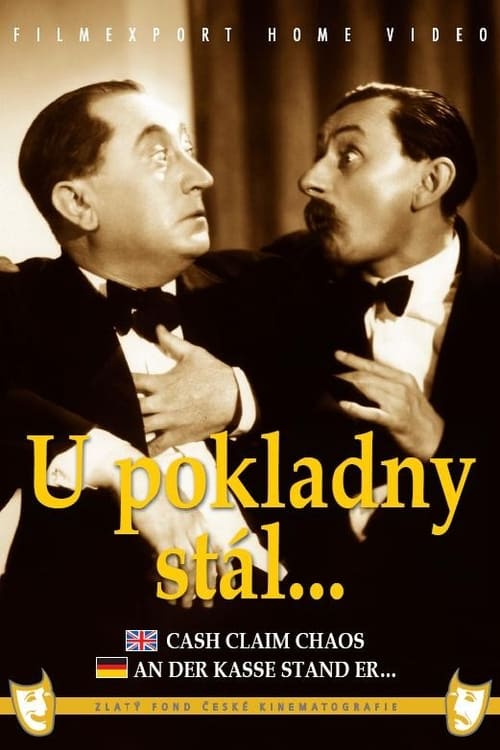
He Stood at the Till
1939
No user ratings available yet
Diversity score: 2.6 out of 10
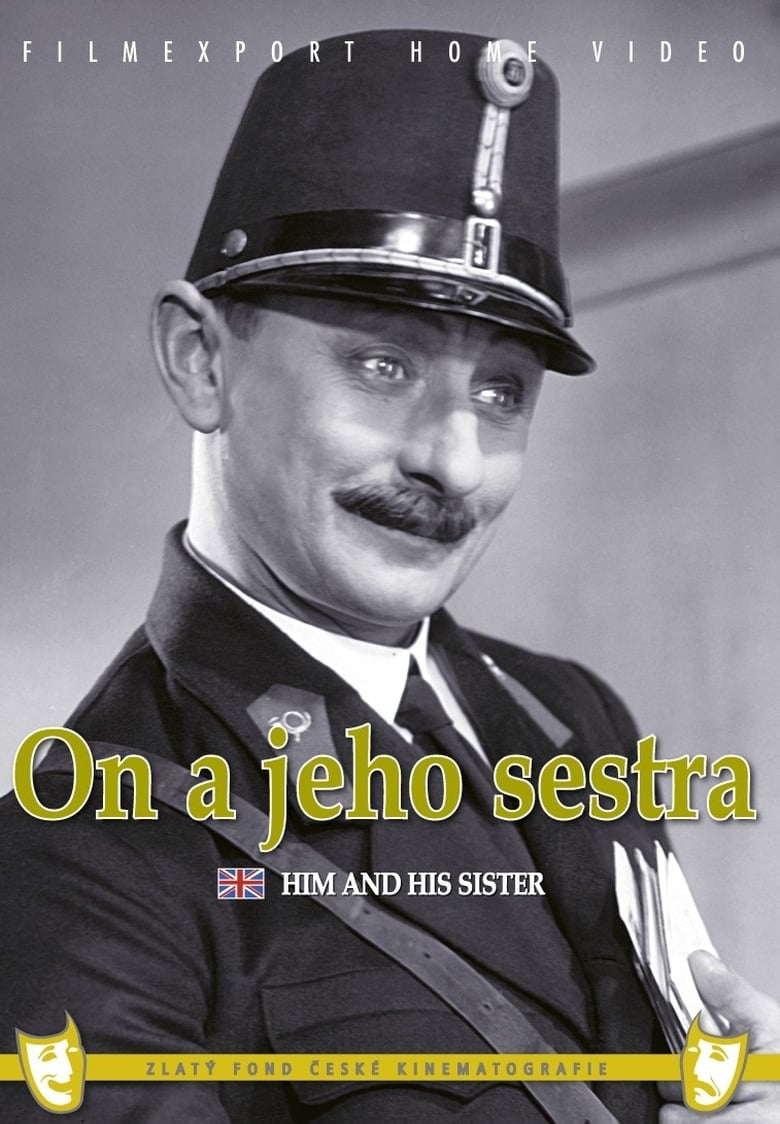
1931
Director
Karel Lamač
Average Rating
No ratings yetSynopsis
Postman Brabec is a welcome guest of the revue theatre for his sense of humor, and he brings his director Holt letters from female admirers every day. Holt's fans include Brabec's sister Anny. The girl would like to join the theatre, but for the time being works as a maid for the actress Velden. A new revue is being rehearsed, the name of the author is secret. Veldenová will return the role just before the premiere because she doesn't like it. The quick-witted Brabec introduces the director to his sister, who knows all the parts by heart.
Overall Score
Limited
Category Breakdown
LGBTQ+ Representation
The film focuses on traditional romantic interests and the social dynamics of a revue theatre. There is no indication of LGBTQ+ characters or narratives that critique heteronormativity.
Gender Representation
Anny demonstrates significant intellectual agency by mastering theatrical parts despite her status as a maid. The story disrupts hierarchies between professional actresses and working-class women through talent.
Racial & Ethnic Diversity
The production reflects the homogeneous demographic of 1931 Czechoslovakia. There is no evidence of non-white or non-Anglo-Saxon casting within the narrative.
Religious & Cultural Diversity
The plot explores class mobility and the tension between domestic labor and the performing arts. It centers on a character navigating and transcending her socioeconomic station.
Disability Representation
There is no evidence of characters with visible or invisible disabilities within the film's narrative.
Strengths
Areas for Improvement
AI Analysis
Him and His Sister is a traditional early sound-era musical comedy that relies on the 'hidden talent' trope. The film's narrative strength lies in its depiction of meritocracy, specifically how a working-class character uses intellect to bypass professional barriers. However, the film remains a product of its time, lacking modern intersectional depth. It operates within a localized, culturally specific framework that reflects the homogeneous demographics of 1931 Czechoslovakia. Ultimately, while the film lacks representation for LGBTQ+ identities or racial diversity, it offers a subtle subversion of class hierarchies through the agency of its female protagonist.
1939
1932
1914

1949
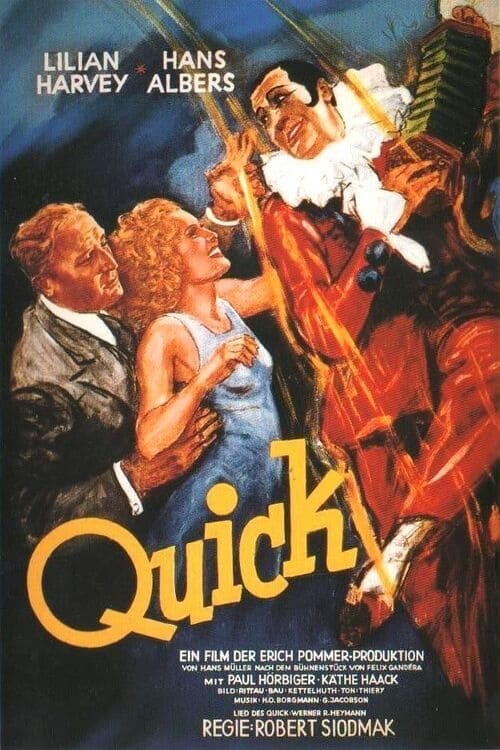
1932
1932
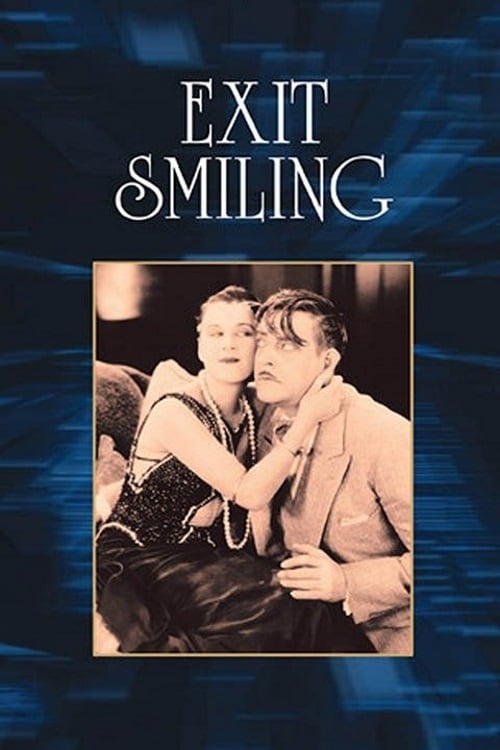
1926
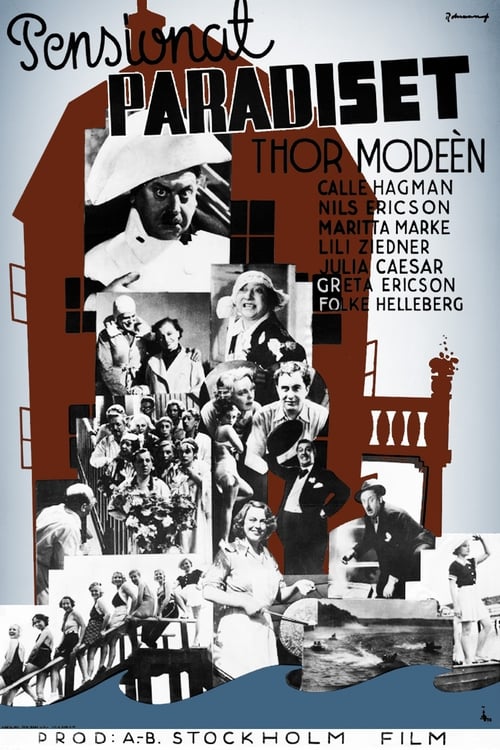
1937
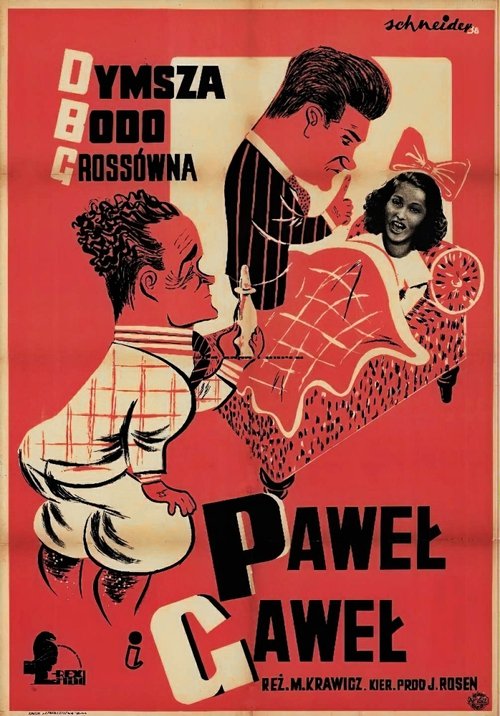
1938
1963
1937
1941
No reviews yet. Be the first to share your thoughts on this movie!
Use the rating form above to leave a star rating and optional review.