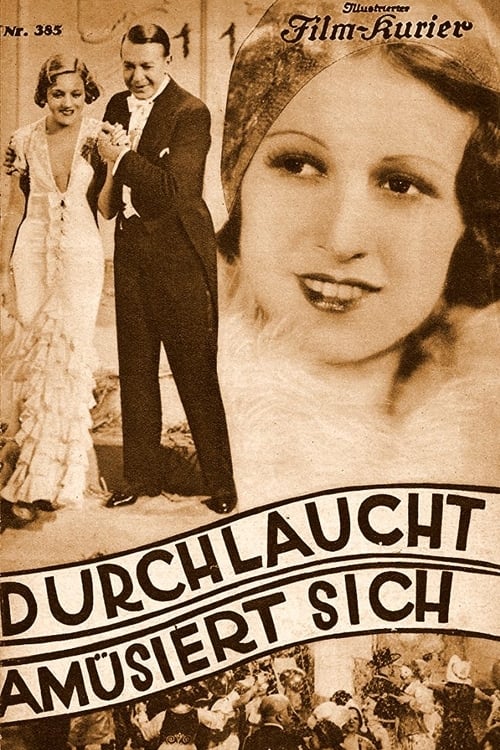
Your Highness is enjoying herself
1932
No user ratings available yet
Representation score: 1.8 out of 10
No Poster Available
Representation Score
Minimal
1932
ApprovedDirector
Karl Anton
Runtime
95 minutes
Average Rating
No ratings yetNew Showbiz Analysis
Mister Albert is a conventional 1930s comedy that adheres strictly to the social and structural norms of its time. The plot revolves around a standard romantic pursuit and class-based mistaken identity, offering little in the way of progressive representation. The film operates within a traditional framework, focusing on the temporary disruption of class boundaries through an incognito cliché, without attempting to challenge the status quo or provide multi-layered perspectives.
Category Breakdown
The film focuses on a traditional romantic relationship between a butler and his client, without exploring non-traditional gender identities or challenging conventional romance.
Sylvia Robertson plays a significant role in driving the plot, but the story remains centered around the male protagonist's journey, following traditional gender roles.
The setting and character names suggest a Western, homogeneous society. There is no indication of diverse casting or non-Anglo-Saxon representation.
The story relies on established social hierarchies and class distinctions, using the incognito cliché to play with status without critiquing Western social orders.
There is no information available regarding the inclusion of characters with physical or neurodivergent disabilities.
Present on Screen
Limited or Absent
Official Synopsis
Monsieur Albert is a very elegant and much-appreciated butler. One day he falls in love with a client, Sylvia Robertson, and follows her to a winter sports resort. Sylvia does not recognize him and imagines that he is related to a king who goes incognito.
1932

1926
1932

1946
1933

1934
1955

1934
No reviews yet. Be the first to share your thoughts on this movie!
Use the rating form above to leave a star rating and optional review.