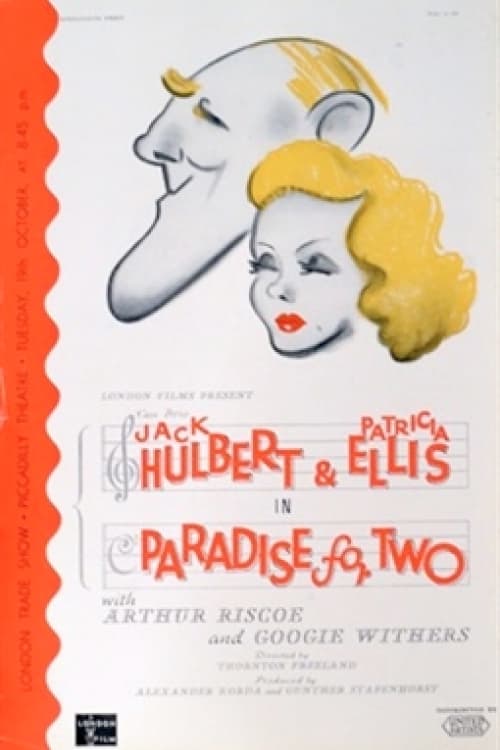
Paradise for Two
1937
No user ratings available yet
Diversity score: 2.4 out of 10
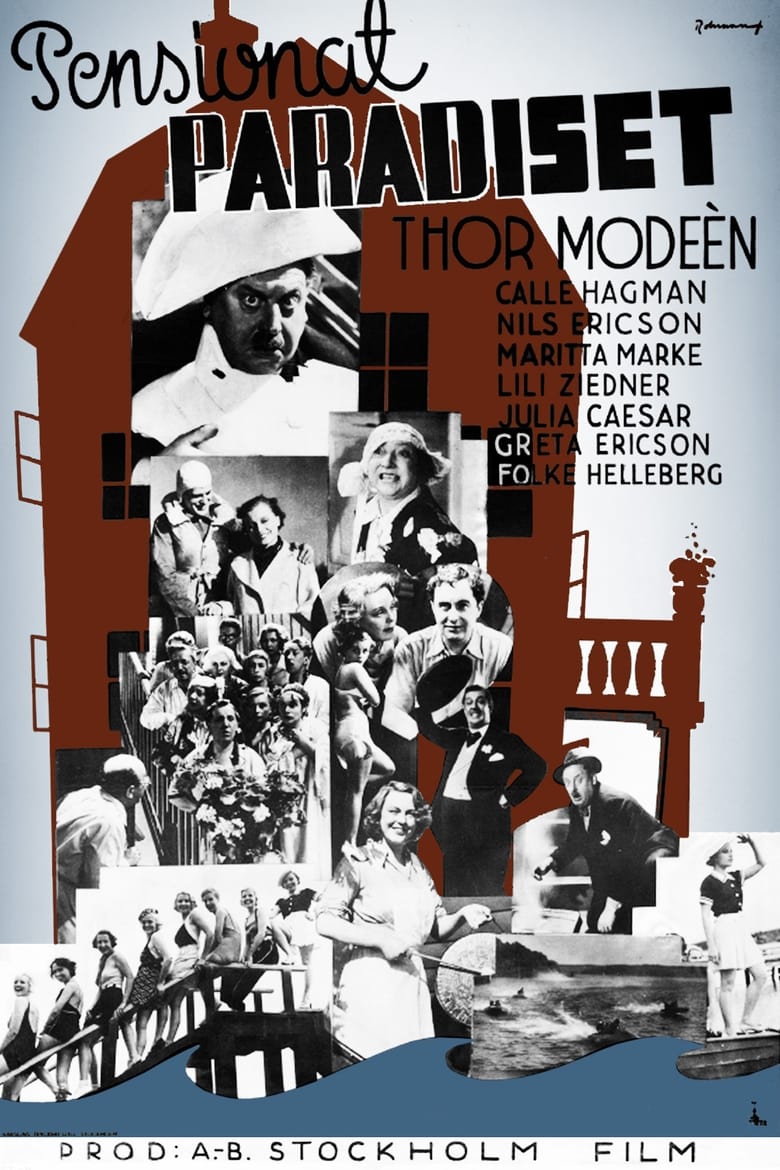
1937
Director
Weyler Hildebrand
Runtime
79 minutes
Average Rating
No ratings yetSynopsis
Paradiset is a boarding house in the archipelago of Stockholm, run by the strict Elvira Pettersson, and with a large variety of guests. Her maid Lotta quits her job but when she leaves she accidentally forgets to turn off the iron. However, her brother Julle sneaks back one night to turn it off. When he is discovered, he tries to make them believe that he is the great Argentine opera singer Don Carlos they have been waiting for
Overall Score
Limited
Category Breakdown
LGBTQ+ Representation
The film lacks any evidence of non-heteronormative identities or same-sex intimacy. The narrative follows a conventional comedic structure that reinforces the heteronormative social standards typical of 1930s European cinema.
Gender Representation
While Elvira Pettersson serves as a strict authority figure, the plot's momentum relies heavily on male agency. The central comedy is driven by the deceptions and performances of the male characters.
Racial & Ethnic Diversity
The setting is localized to the Stockholm archipelago, focusing on European social archetypes. The mention of an Argentine opera singer serves as a trope of exoticism rather than a meaningful exploration of ethnic diversity.
Religious & Cultural Diversity
The story operates within traditional Western social structures, focusing on domestic responsibility and class masquerade. The comedy arises from disrupting social decorum rather than deconstructing Western institutions.
Disability Representation
There are no visible or invisible disabilities portrayed in the narrative. No characters are identified as having physical impairments or neurodivergent traits.
Strengths
Areas for Improvement
AI Analysis
Guest House Paradise is a character-driven farce that reflects the social constraints of 1930s Swedish comedy. The film relies on traditional narrative hierarchies and situational humor centered around mistaken identity and class performance. The production prioritizes classical theatricality over modern intersectional frameworks. While it features a variety of guests, the representation remains rooted in the era's conventional social roles and European archetypes. Ultimately, the film functions as a microcosm of established social order, lacking the intentionality to disrupt or explore diverse identity-based norms.
1937

1957
1939

1976

1972
1931

1937
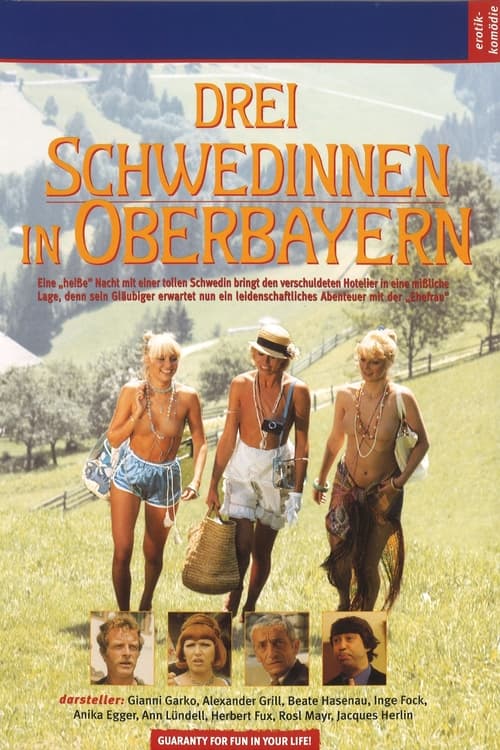
1977
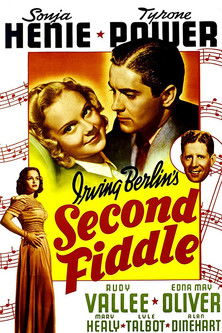
1939
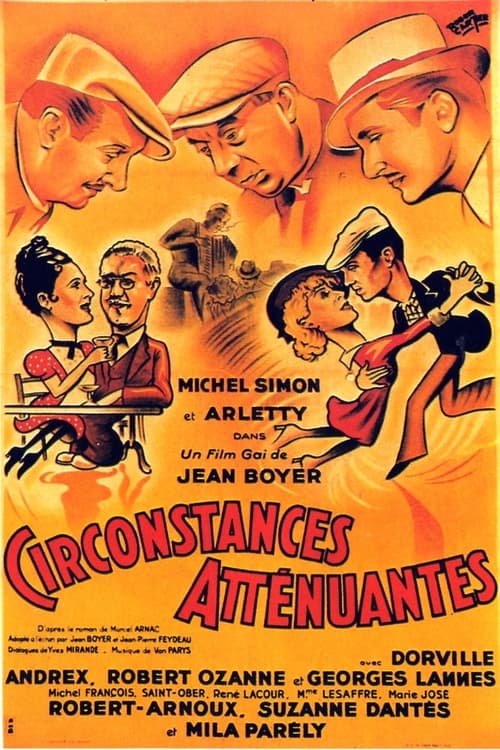
1939
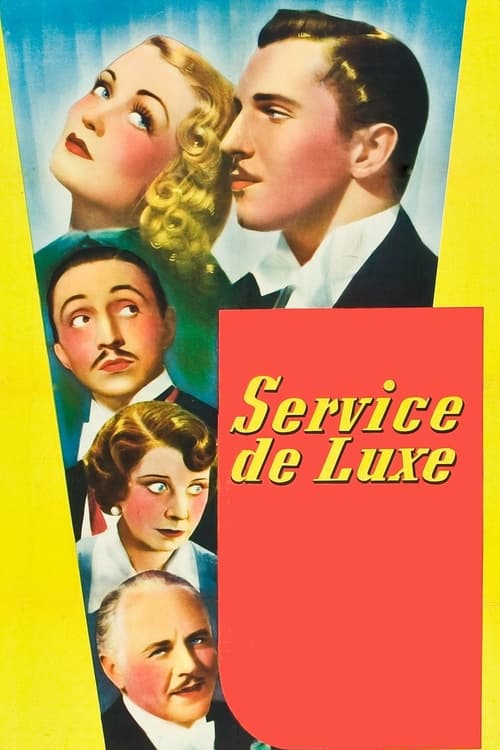
1938
1946
No reviews yet. Be the first to share your thoughts on this movie!
Use the rating form above to leave a star rating and optional review.