
The Poacher's Foster Daughter or Noble Millionaire
1949
No user ratings available yet
Representation score: 2.9 out of 10
Representation Score
Limited
1941
Director
Walter C. Mycroft, Norman Lee
Runtime
90 minutes
Average Rating
No ratings yetNew Showbiz Analysis
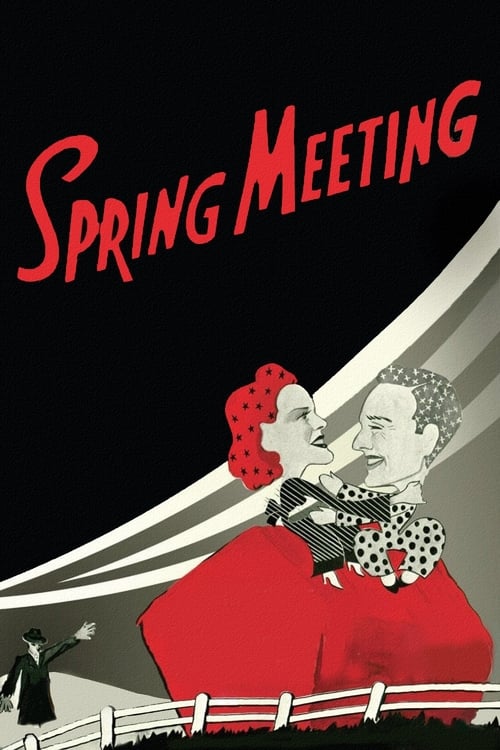
Spring Meeting is a product of the 1941 studio system, adhering strictly to the social hierarchies and comedic clichés of pre-war British cinema. The plot relies on conventional romantic structures and class-based humor rather than any subversion of cultural norms. The film's representation is limited by the era's demographic homogeneity and traditional gender roles. While female characters have distinct personalities, they remain tied to domestic archetypes and marriage-driven motivations. Ultimately, the work functions as a standard period comedy that prioritizes the preservation of class status and traditional family structures over progressive or storytelling that reflects multiple aspects of identity.
Category Breakdown
The film focuses on traditional romantic relationships and does not include any characters with non-binary gender identities or LGBTQ+ orientations.
Tiny Fox-Collier serves as the intellectual leader of the family, but her influence is limited to organizing her son's marriage. Female characters are defined by their relationships to men and their personal traits.
The story centers around a homogeneous group within an Irish country estate. There is no evidence of diverse casting or non-Anglo-Saxon characters.
The narrative explores class differences between poverty and wealth. It reinforces traditional social structures and uses marriage as a means for financial stability.
There are no characters with visible or invisible disabilities mentioned in the narrative.
Present on Screen
Limited or Absent
Official Synopsis
Tiny Fox-Collier and her son, Tony, are broke. A cheery and handsome young man about town, Tony knows he can rely on his mother for a brainwave to save them from utter destitution. This she has: a visit is scheduled to the Irish country estate of her old flame Sir Richard Furze, now a wealthy widower with two daughters. But while Tiny is determined to see her son marry the beautiful but haughty Joan, it seems Tony only has eyes for Joan’s spirited younger sister, Baby.
1949

1938
1940
1936

1940
1938
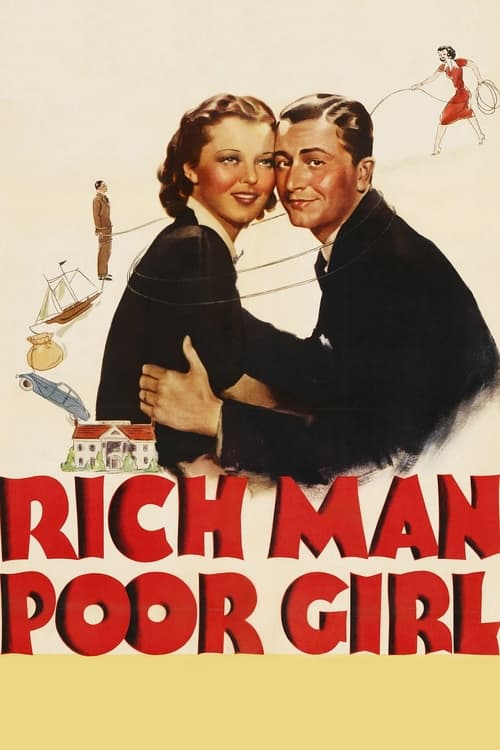
1938

1942
No reviews yet. Be the first to share your thoughts on this movie!
Use the rating form above to leave a star rating and optional review.