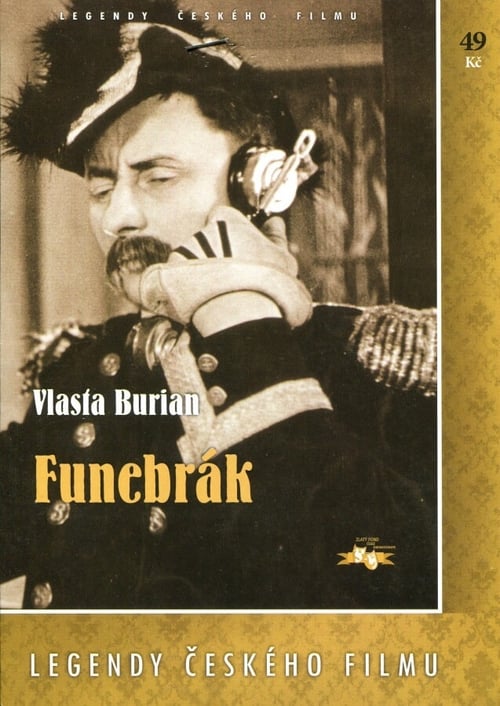
The Undertaker
1932
No user ratings available yet
Diversity score: 2.8 out of 10
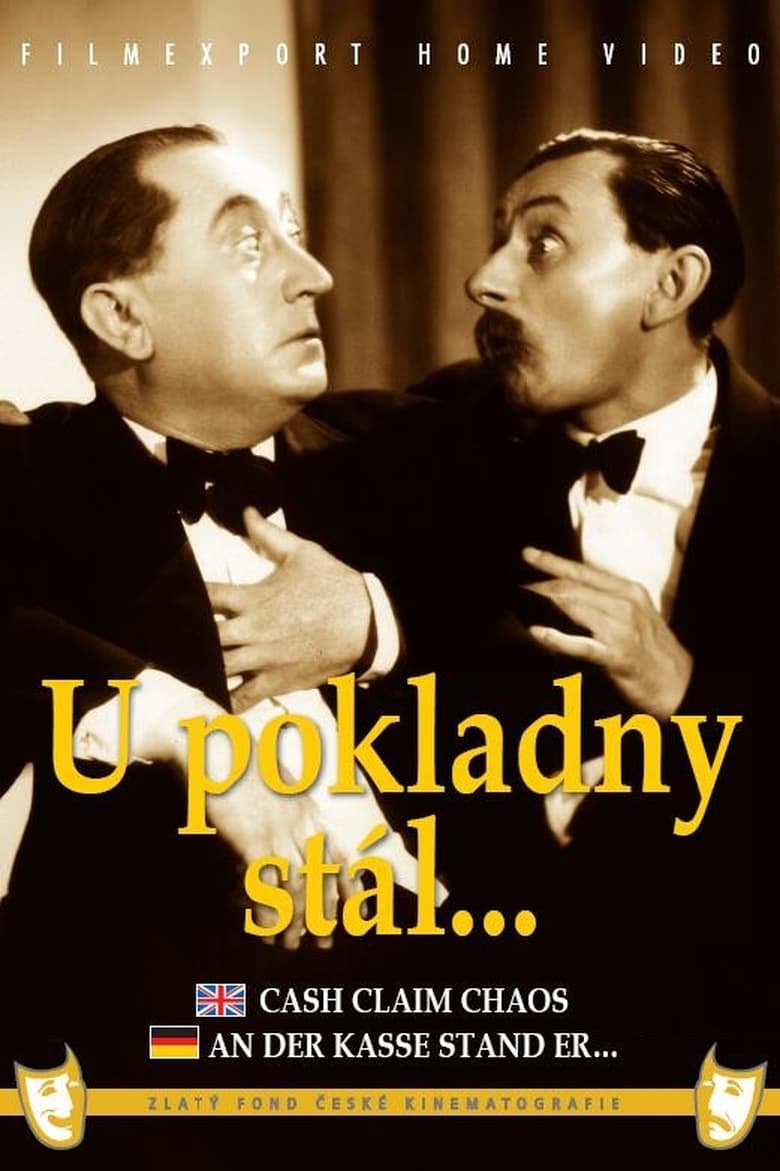
1939
Director
Karel Lamač
Runtime
99 minutes
Average Rating
No ratings yetSynopsis
U pokladny stál... is a Czech comedy film. It was released in 1939.
Overall Score
Limited
Category Breakdown
LGBTQ+ Representation
The film lacks evidence of non-heteronormative identities or same-sex intimacy. The plot focuses on traditional romantic entanglements and conventional marriage-based storylines.
Gender Representation
Female characters like Heda drive the plot, but their agency remains tied to marriage and family. The narrative follows traditional hierarchies and comedic tropes.
Racial & Ethnic Diversity
The production reflects a homogeneous European demographic typical of 1939 Czechoslovakia. There is no indication of diverse casting or non-majority ethnic representation.
Religious & Cultural Diversity
The story critiques individual hypocrisy through social climbing and deception. It operates within established frameworks of social decorum rather than challenging Western institutions.
Disability Representation
Medical themes appear through a hospital orderly and denied treatments. However, these elements serve as plot devices for mistaken identity rather than nuanced character studies.
Strengths
Areas for Improvement
AI Analysis
Cash Claim Chaos is a conventional 1939 comedy that prioritizes period-specific social structures over diverse representation. The narrative relies heavily on mistaken identity and traditional romantic maneuvering, which reinforces the heteronormative and hierarchical norms of the era. While the film offers a sophisticated look at social deception and hypocrisy, it does not attempt to subvert systemic power dynamics. The characters function within established social roles, making the film a localized cultural product of its time rather than a progressive work.
1932
1931
1930
1935
1939

1929
1957
1939
1941

2016

1916
1939
No reviews yet. Be the first to share your thoughts on this movie!
Use the rating form above to leave a star rating and optional review.