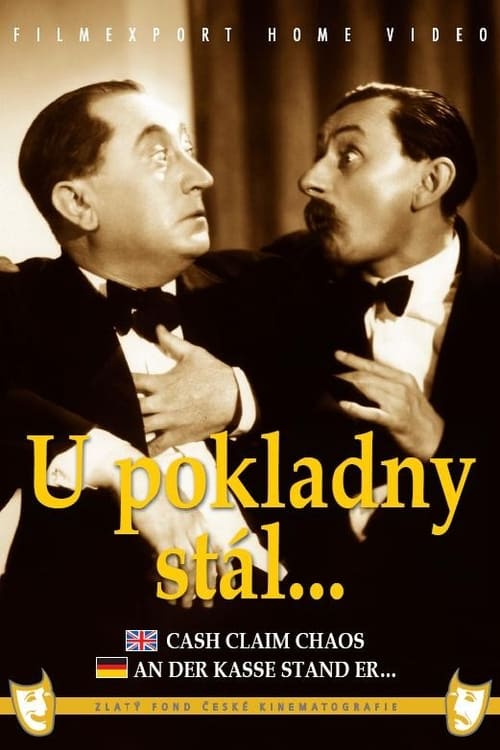
He Stood at the Till
1939
No user ratings available yet
Diversity score: 2.6 out of 10
1932
Director
Karel Lamač
Runtime
92 minutes
Average Rating
No ratings yetOverall Score
Limited
Category Breakdown
LGBTQ+ Representation
The film lacks any evidence of LGBTQ+ characters or non-cisnormative identities. The plot follows a traditional comedic structure centered on a misunderstanding between a funeral and a wedding.
Gender Representation
The narrative focuses on male-centric conflicts involving Pleticha and Hnipírdo. While a wedding implies female presence, women do not appear to exercise agency or subvert traditional hierarchies.
Racial & Ethnic Diversity
Pleticha performs dances and songs of various nations for wedding guests, suggesting a degree of internationalism. However, it is unclear if this provides meaningful representation or serves as decorative entertainment.
Religious & Cultural Diversity
The story explores social deception and moral ambiguity through Pleticha's fraud. It prioritizes situational farce over any systemic critique of religious or patriotic structures.
Disability Representation
Physical injury is used as a comedic prop, specifically Pleticha's bandaged leg used for deception. There is no evidence of nuanced portrayals of neurodivergence or chronic illness.
Strengths
Areas for Improvement
AI Analysis
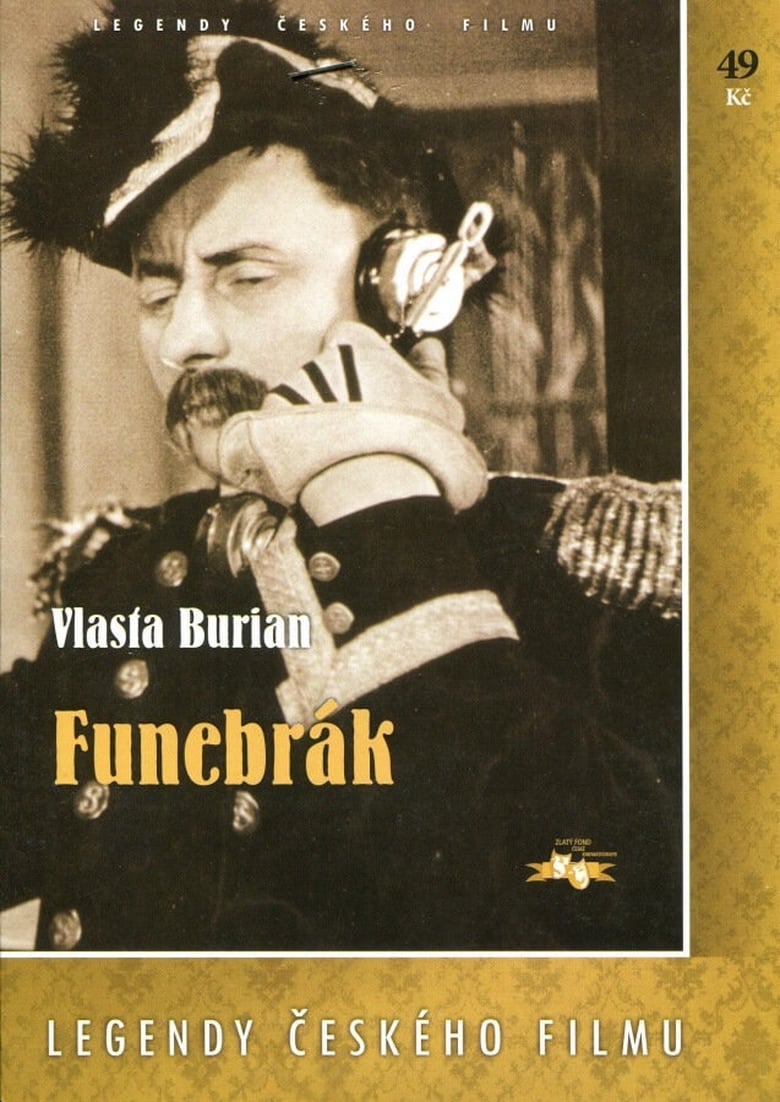
The Undertaker is a character-driven farce that relies on situational errors and individualistic deception. While the film incorporates international elements through musical performances, these appear more decorative than deeply representative of diverse identities. The narrative architecture is heavily male-centric, focusing on the schemes of the protagonist. It lacks the complexity required to address systemic power dynamics or intersectional identities, reflecting the era's focus on traditional comedic tropes. Ultimately, the film functions as a standard comedy of errors. It uses physical injury and cultural variety as plot devices rather than exploring the lived experiences of marginalized groups.
1939
1935
1927
1933
1921
1923
1939
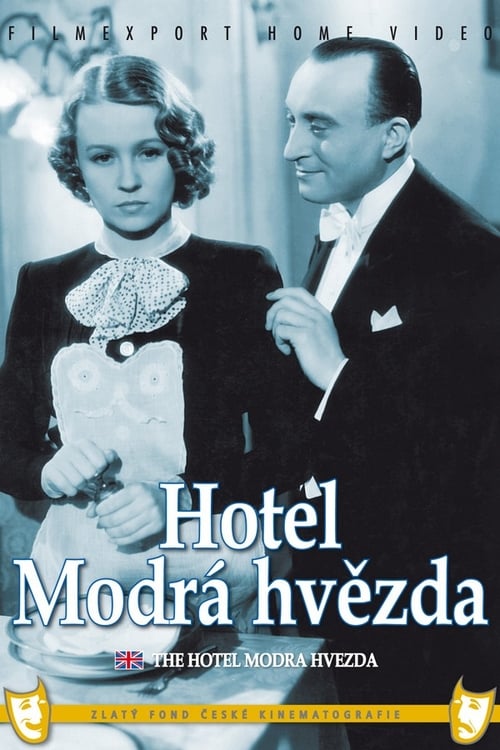
1941
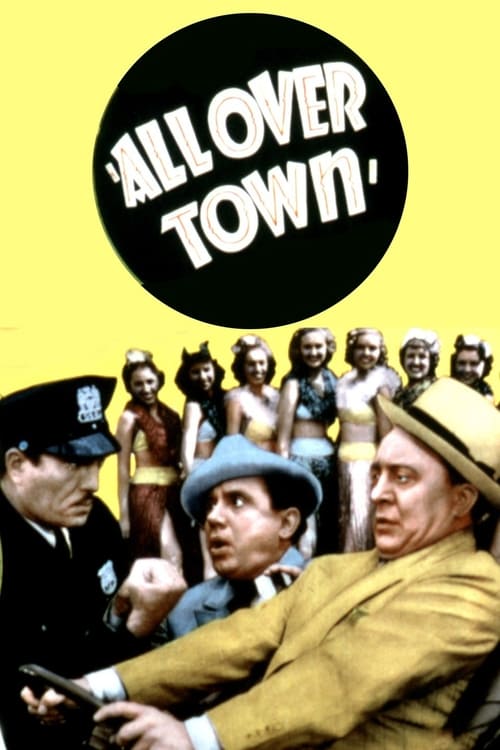
1937
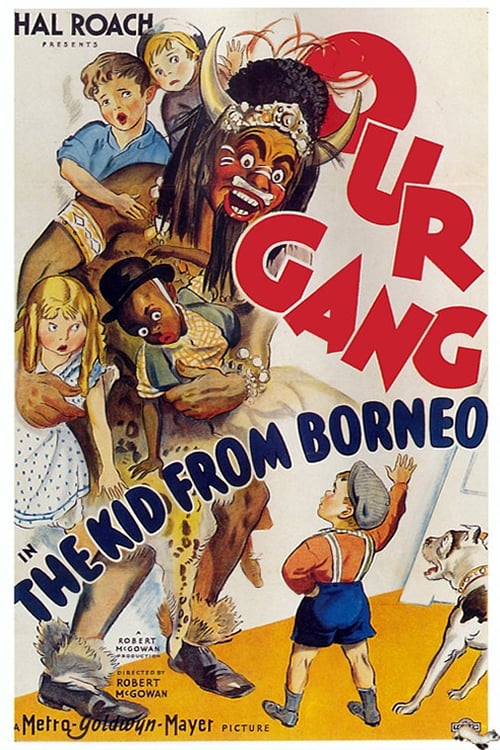
1933

1949
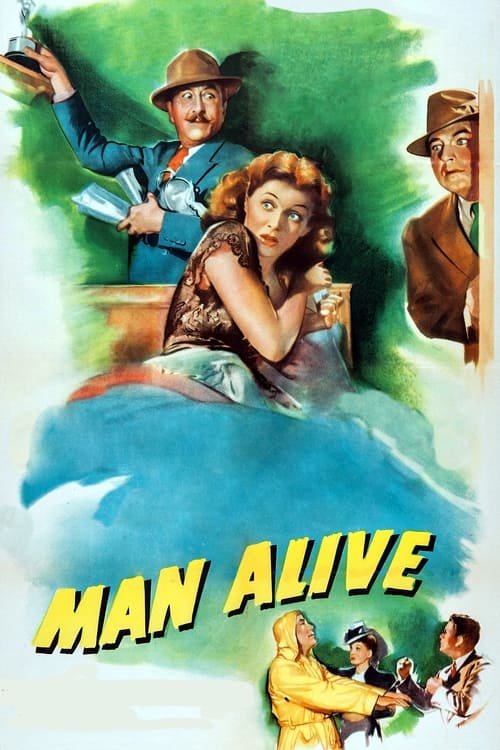
1945
No reviews yet. Be the first to share your thoughts on this movie!
Use the rating form above to leave a star rating and optional review.