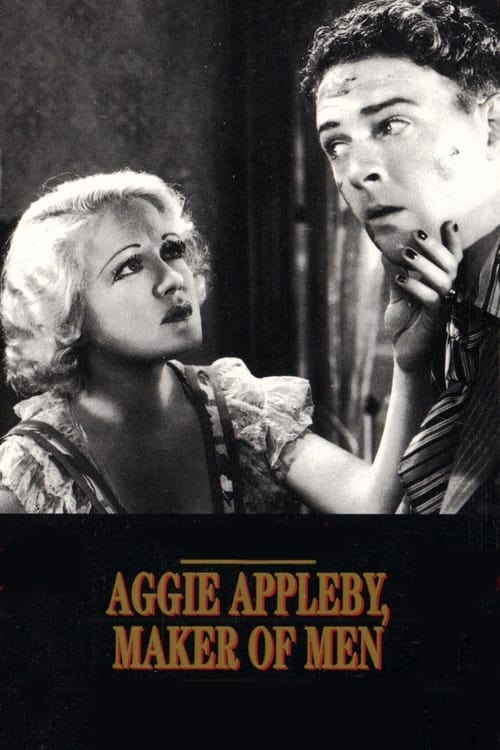
Aggie Appleby, Maker of Men
1933
No user ratings available yet
Representation score: 2.0 out of 10
No Poster Available
Representation Score
Minimal
1929
PassedDirector
Alfred E. Green
Runtime
60 minutes
Average Rating
No ratings yetNew Showbiz Analysis
Making the Grade is a traditional romantic comedy that follows the classic cliché of a wealthy man's emotional growth through his relationship with a working-class woman. While the film touches on class differences, it primarily focuses on individual moral improvement rather than challenging social norms or providing a systemic critique of social hierarchies. Ultimately, the film reflects the conventions of its time, emphasizing traditional romantic structures over more complex and diverse narratives.
Category Breakdown
The film does not include any LGBTQ+ identities or relationships.
The female lead guides the protagonist's moral journey, but the story revolves around the male character's personal growth and transformation.
The film seems to adhere to the homogeneous casting practices typical of 1920s Hollywood, reflecting the era's Anglo-centric representations.
The story examines the contrast between wealth and compassion, offering a mild critique of materialism. It emphasizes individual moral development rather than addressing broader societal issues.
There is no information available regarding the depiction of physical or neurodivergent characters in this work.
Present on Screen
Limited or Absent
Official Synopsis
Based on George Ade's story about a wealthy young man whose life is changed by his love for a gardener's daughter, transforming him into a more compassionate person.
1933

1934
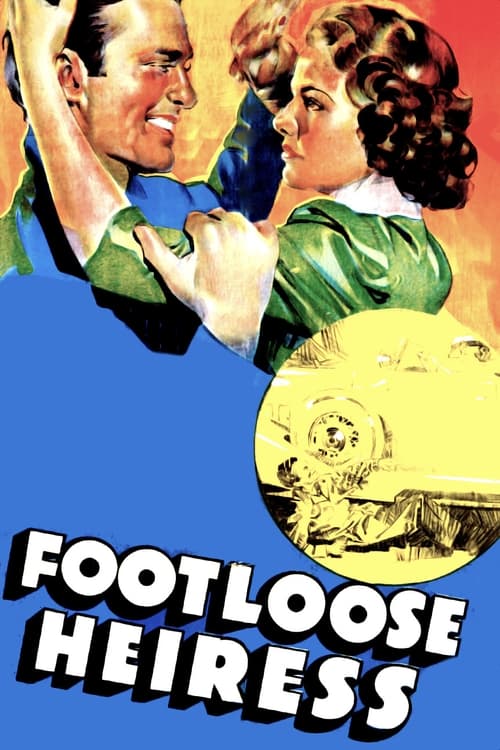
1937

1938

1928

1937
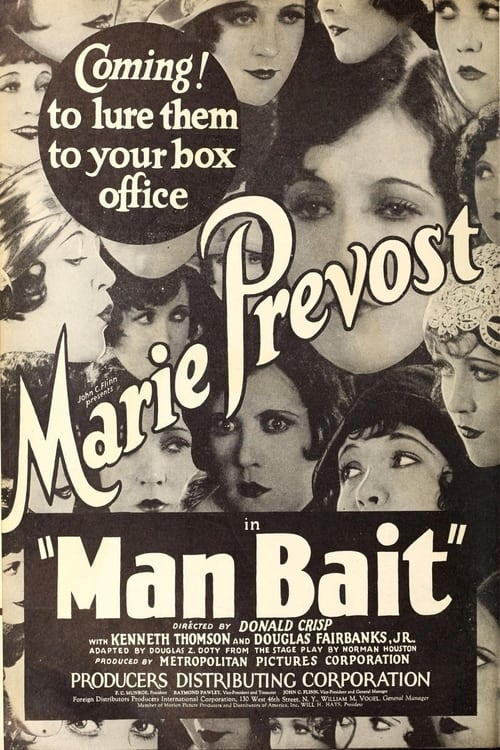
1927
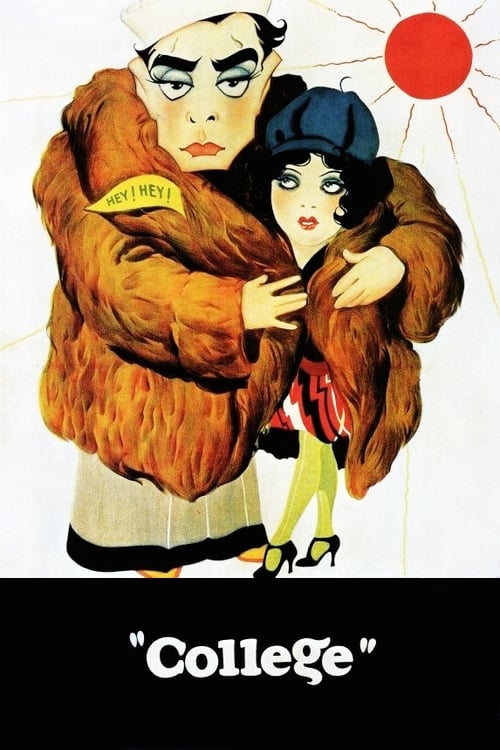
1927
No reviews yet. Be the first to share your thoughts on this movie!
Use the rating form above to leave a star rating and optional review.