There Goes My Heart
1938
No user ratings available yet
Representation score: 3.5 out of 10
Representation Score
Minimal
1938
ApprovedDirector
Norman Z. McLeod
Runtime
95 minutes
Average Rating
No ratings yetNew Showbiz Analysis
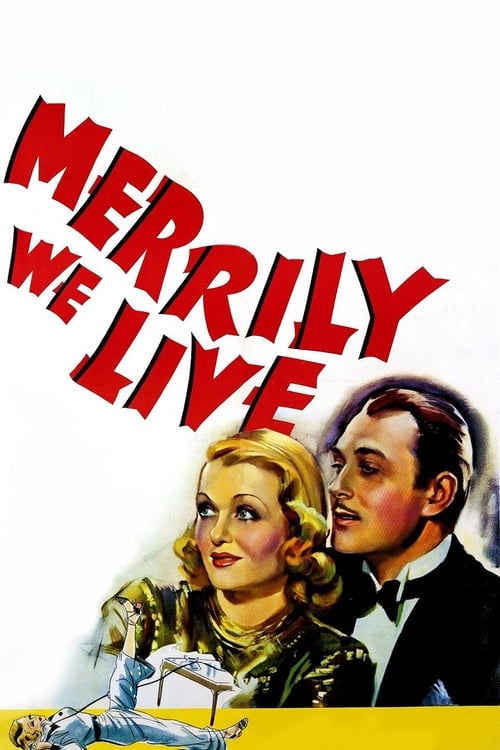
Merrily We Live is a classic screwball comedy that relies heavily on the social archetypes of the 1930s. The primary narrative tension comes from the interaction between high society and the underrepresented 'tramp' character, used to drive both romantic and comedic plot points. While the film offers a light-hearted exploration of class mobility, it does not aim to challenge systemic power structures. Instead, it uses class mobility as a standard device for entertainment, maintaining the era’s conventional social hierarchies. The film lacks meaningful representation across most modern diversity metrics, reflecting the era's narrow focus on homogeneous, straight-centered, and class-based storytelling.
Category Breakdown
The film focuses on heterosexual relationships and does not include any non-straight identities or narratives that challenge traditional sexual norms.
Emily Kilbourne has economic power through hiring staff, but her influence is limited to managing a household within traditional social structures.
The film follows the typical homogeneous casting practices of 1930s Hollywood, with no indication of diverse casting or race-bent casting.
The story examines class mobility by incorporating a tramp into a high-society household, providing a comedic look at social boundaries without addressing systemic issues.
There is no information about the depiction of physically or neurodivergent characters in this production.
Present on Screen
Limited or Absent
Official Synopsis
Society matron Emily Kilbourne has a habit of hiring ex-cons and hobos as servants. Her latest find is a handsome tramp who shows up at her doorstep and ends up in a chauffeur's uniform. He also catches the eye of Geraldine.
1938
1936
1928
1940
1930
1938
1935

1934
No reviews yet. Be the first to share your thoughts on this movie!
Use the rating form above to leave a star rating and optional review.