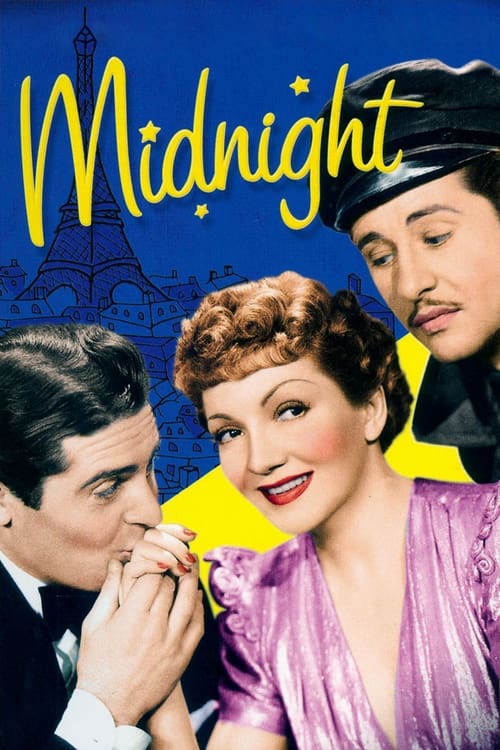
Midnight
1939
No user ratings available yet
Representation score: 2.2 out of 10
Representation Score
Minimal
1932
PassedDirector
Rouben Mamoulian
Runtime
89 minutes
Average Rating
No ratings yetNew Showbiz Analysis
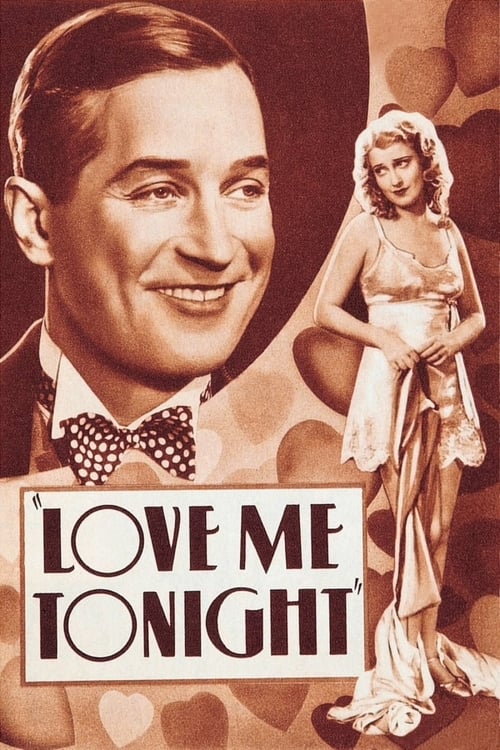
Love Me Tonight is a technically sophisticated musical that prioritizes escapism and romantic whimsy. While Mamoulian’s direction is innovative, the narrative remains firmly rooted in the social hierarchies of its time. The film reinforces traditional romantic and social structures. It lacks the complexity or disruption of conventional norms necessary to challenge the status quo of the early 1930s. Ultimately, the work functions as a quintessential period piece, focusing on aesthetic beauty and romantic entanglement rather than diverse or progressive representation.
Category Breakdown
The film follows a strictly heterosexual romantic structure. There is no presence of same-sex intimacy or non-binary gender identities.
The story relies on traditional courtship clichés of the early 1930s. While the Princess maintains some social autonomy, the plot resolves through a conventional romantic union.
The cast is homogeneous, reflecting the Eurocentric casting standards of the early sound era. The setting reinforces a traditional Western aristocratic framework without racial blending.
The film uses class distinctions as a lighthearted catalyst for comedy rather than a critique of institutions. It prioritizes romantic whimsy over systemic or cultural commentary.
No visible or invisible disabilities are portrayed as central to the character arcs or the plot progression.
Present on Screen
Limited or Absent
Official Synopsis
A Parisian tailor goes to a château to collect a bill, only to fall for an aloof young princess living there.
1939

1926
1926

1938

1931
1937
1946
1934
No reviews yet. Be the first to share your thoughts on this movie!
Use the rating form above to leave a star rating and optional review.