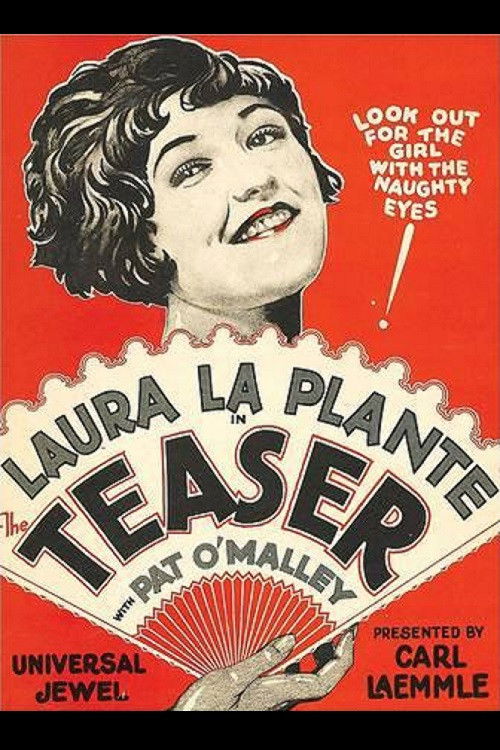
The Teaser
1925
No user ratings available yet
Diversity score: 2.7 out of 10
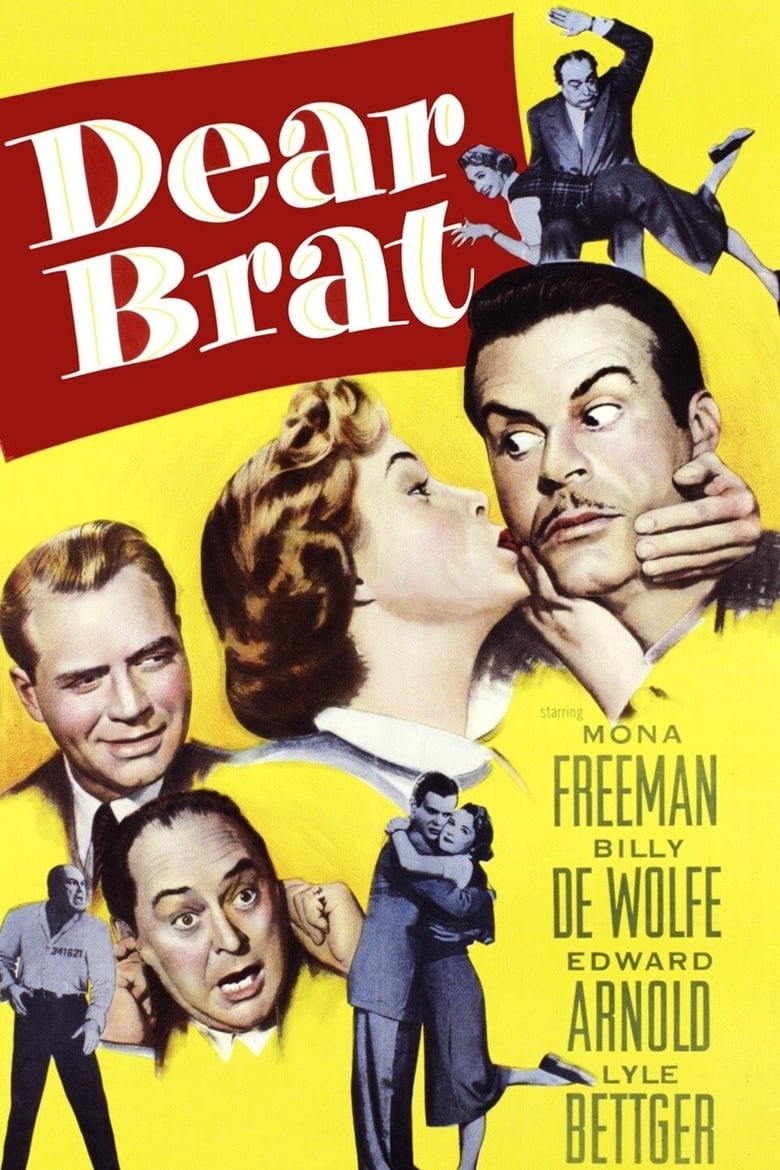
1951
ApprovedDirector
William A. Seiter
Runtime
82 minutes
Average Rating
No ratings yetSynopsis
Mirian Wilkins, the teenage daughter of Senator Wilkins, starts a Society for the Rehabilitation of Criminals and, without the approval or knowledge of her father, elects him to the position of honorary president. When the family's new gardener, Baxter, turns out to be a notorious ex-convict who was sentenced to prison by Senator Wilkins when he was a judge, Wilkins considers firing him until his daughter points out that would be an unwise decision considering the position her father held on society.
Overall Score
Limited
Category Breakdown
LGBTQ+ Representation
The film lacks any evidence of non-heteronormative identities or same-sex intimacy. The romantic comedy structure centers on a traditional heterosexual dynamic between the female lead and a male gardener.
Gender Representation
Mirian Wilkins provides a strong female presence by driving the plot through her social organization. However, her agency is largely contained within familial and political hierarchies typical of the era.
Racial & Ethnic Diversity
The narrative appears to focus on a white, upper-class political family. There is no indication of a diverse or non-Anglo-Saxon cast within the story.
Religious & Cultural Diversity
The plot explores situational ethics and the rigidity of legal institutions. While it critiques certain social structures, it remains firmly rooted in traditional Western social norms.
Disability Representation
There is no information available regarding the inclusion of characters with physical, sensory, or neurodivergent disabilities.
Strengths
Areas for Improvement
AI Analysis
Dear Brat is a product of its time, leaning heavily into the conventional social hierarchies of 1951. While it avoids being a purely passive period piece by giving the female protagonist significant agency, it lacks broader intersectional depth. The film's focus on a white, upper-class political family and its adherence to heteronormative romantic structures results in a narrow demographic scope. It prioritizes traditional genre expectations over systemic subversion or diverse representation. Ultimately, the film functions as a standard mid-century comedy. It offers a slight critique of legal rigidity but fails to challenge the era's homogeneous casting and social norms.
1925

1948
1945
1948
1952

1929
1937
1938
1934
1980
1929

1949
No reviews yet. Be the first to share your thoughts on this movie!
Use the rating form above to leave a star rating and optional review.