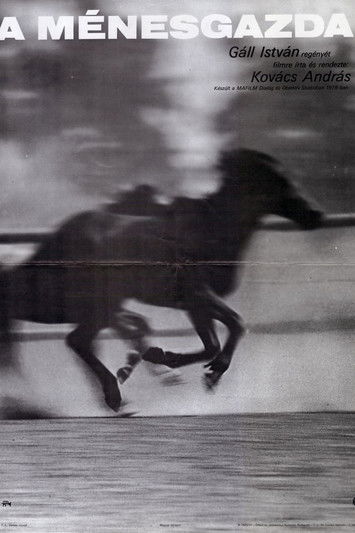
The Stud Farm
1978
No user ratings available yet
Representation score: 4.6 out of 10
Representation Score
Limited
1981
Director
Peeter Simm
Runtime
86 minutes
Average Rating
No ratings yetNew Showbiz Analysis
The film is a focused socio-political drama that prioritizes the friction between individual conscience and state mandates. Its narrative strength lies in its interrogation of systemic dysfunction and the moral complexities of the era. While the work lacks representation for LGBTQ+ identities and disability, it achieves high marks for cultural depth. It effectively deconstructs institutional infallibility by pitting localized peasant wisdom against inept central commands. However, the film operates through a traditional, male-dominated lens. The central conflict is framed almost entirely through a masculine struggle for power, limiting its gender diversity.
Category Breakdown
The film does not include any LGBTQ+ characters or themes. The story focuses on socio-political tensions from the post-war era.
The story centers on a male power struggle between two male protagonists. There is no evidence of gender role subversion or intellectual ability to act among female characters.
The cast likely reflects the ethnic homogeneity of post-war Estonia. The film focuses on regional identity and class rather than multi-ethnic representation.
The film provides a strong critique of centralized authority and state-driven collectivism. It highlights the tension between institutional mandates and individual moral integrity.
There is no indication of characters with visible or invisible disabilities. Disability is not used as a narrative device in this drama.
Present on Screen
Limited or Absent
Official Synopsis
In post-World War II Estonia, Mait Kukemeri, an activist of the Young Communist League arrives to the Metsa collective farm in the back of a traveling cinema truck. As a commissary of the spring sowing, he has orders to usher all the people to the field, even if the water is high enough to soak your boots and the machines sink in the mud. Harald Tuvikene, the head of the farm, keeps dragging his feet, trying to pitch his peasant wisdom against the senseless demands of the central power. For the first time in his life, Kukemeri faces a real problem - does he do what's right or does he follow the party's inept commands in order to further his own career?
1978
1930
1963
1978
1980
1995
1929
1935
No reviews yet. Be the first to share your thoughts on this movie!
Use the rating form above to leave a star rating and optional review.