Bread
1918
No user ratings available yet
Representation score: 3.7 out of 10
Representation Score
Limited
1929
Director
Mykola Shpykovskyi
Runtime
45 minutes
Average Rating
No ratings yetNew Showbiz Analysis
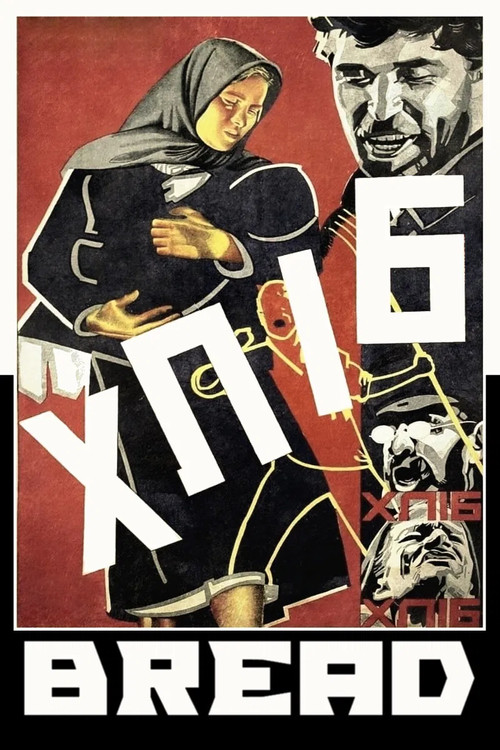
Bread (1929) is a foundational piece of early Soviet cinema that centers on the ideological friction between a returning Red Army soldier and the landed peasantry. The film uses class-based identity politics to dismantle traditional social hierarchies, framing land collectivization as a revolutionary necessity. The work excels in its cultural critique of capitalist and traditionalist frameworks. By positioning the struggle for land as a conflict between systemic oppression and revolutionary ability to act, it successfully deconstructs established agrarian structures in favor of a collective model. However, the film lacks modern markers of diversity. It provides no representation for LGBTQ+ individuals or people with disabilities, and its focus on class identity limits its exploration of racial and ethnic diversity.
Category Breakdown
The film does not include any LGBTQ+ narratives or non-straight identities. The story focuses solely on class struggle and agrarian reform.
The narrative offers potential for challenging patriarchal structures through collective labor roles. However, specific character arcs for female protagonists remain unconfirmed.
The film prioritizes socio-economic distinctions over multi-ethnic representation. The lens focuses on the divide between the proletariat and the wealthy peasantry.
The film strongly critiques traditional land ownership and individualistic property rights. It promotes a communal identity through the lens of state-driven social restructuring.
There is no indication of characters with physical or neurodivergent disabilities. The narrative does not address disability representation.
Present on Screen
Limited or Absent
Official Synopsis
An ideologically committed Red Army soldier returns home from the war and takes up a new struggle with the aim of collectivizing the land of a wealthy peasant.
1918

1930
1951

1925

1929
1981

1929
1953
No reviews yet. Be the first to share your thoughts on this movie!
Use the rating form above to leave a star rating and optional review.