The Cow
1996
No user ratings available yet
Representation score: 6.5 out of 10
Representation Score
Minimal
1978
NRDirector
Ermanno Olmi
Runtime
187 minutes
Average Rating
No ratings yetNew Showbiz Analysis
Ermanno Olmi’s work emphasizes social realism and the lived experiences of the working class over modern identity politics. The film captures the authentic, materialist reality of a turn-of-the-century Italian farm, focusing on the hardships of subsistence living. Though the film lacks markers of diverse identities like LGBTQ+ presence or racial diversity, it achieves a high degree of historical authenticity. It depicts the socioeconomic structures of the Lombardy peasantry without trying to challenge traditional roles or contemporary representational frameworks. Ultimately, the film is a study of class-based struggle. It succeeds in its ethnographic approach to the sharecropper experience, even as it adheres to the homogeneous social structures of its historical setting.
Category Breakdown
The film focuses solely on the structures of a turn-of-the-century agrarian community that assume everyone is straight. There are no queer subtexts or diverse gender identities present.
Women are portrayed as crucial to household survival and animal care, but the narrative reinforces traditional gender roles typical of the time period.
Set in rural Northern Italy, the film shows a homogeneous ethnic population. The focus is on class-based identity rather than racial diversity.
The film offers a nuanced look at poverty through social realism. Religion is shown as an integral part of the community rather than a source of corruption.
The narrative does not include characters with visible or invisible disabilities. The focus is on the physical demands of manual labor.
Present on Screen
Limited or Absent
Official Synopsis
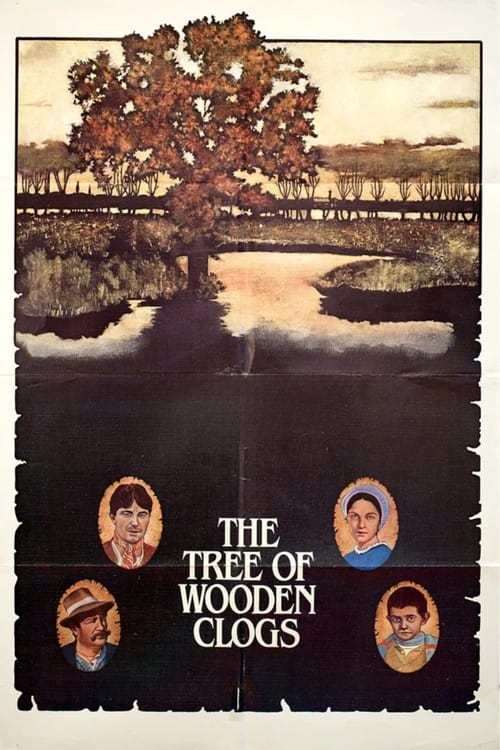
On a turn-of-the-20th-century northern Italian farm, a group of sharecroppers eke out a threadbare existence. A priest advises Batisti and his wife Batistina that their young son Minec should be formally educated, so they sacrifice his help in the fields and send him to school. When Minec's wooden shoe breaks one day, Batisti--in an act of desperation--puts the family's future at risk to replace the clog.
1996

1949
1984
1984
1980
2015

2010
1979
No reviews yet. Be the first to share your thoughts on this movie!
Use the rating form above to leave a star rating and optional review.