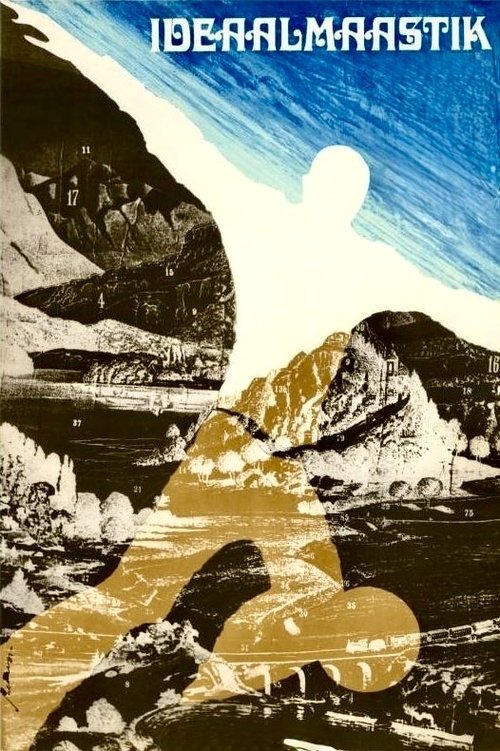
The Ideal Landscape
1981
No user ratings available yet
Representation score: 3.3 out of 10
Representation Score
Fair
1963
Director
Larisa Shepitko
Runtime
75 minutes
Average Rating
No ratings yetNew Showbiz Analysis
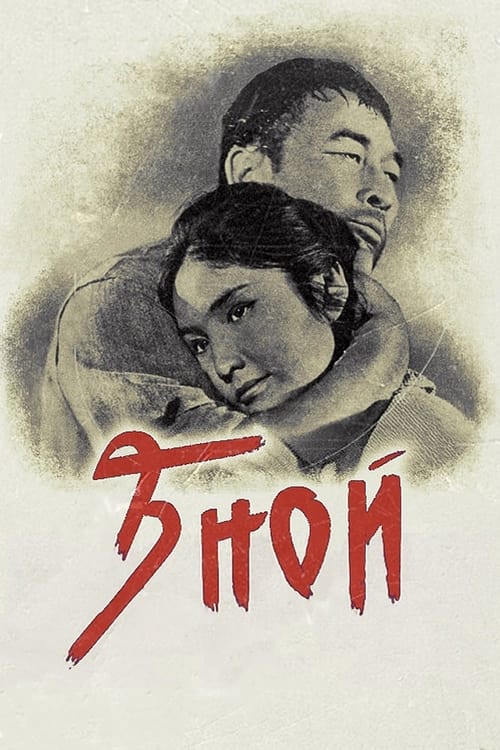
Larisa Shepitko’s *Heat* is a sophisticated study of individual idealism clashing with institutional rigidity. By centering a female protagonist's psychological evolution, the film explores complex ability to act within a male-dominated environment. The setting of the Kyrgyz steppe provides a vital layer of ethnic diversity, moving away from urban-centric narratives to embrace a Central Asian landscape. This geographic integration offers a non-Anglo-centric worldview that feels grounded in its specific historical and social context. While the film operates within Soviet-era constraints, its critique of localized authoritarianism adds depth. It avoids simplistic formulas, instead offering a nuanced look at how individuals navigate systemic friction and social transitions.
Category Breakdown
The film does not explicitly depict LGBTQ+ identities or non-traditional gender expressions. The narrative focuses on personal struggles within a traditional social framework.
Shepitko centers the narrative on a woman's role and internal emotional journey. The protagonist actively navigates her identity against a male-dominated state farm, challenging conventional hierarchies.
Set in the Kyrgyz steppe, the film showcases a diverse ethnic landscape. The inclusion of Central Asian characters provides a departure from typical urban settings.
The film critiques traditional power structures by framing authoritarian leadership as a source of conflict. It prioritizes the socioeconomic realities of the era over Western clichés.
There is no significant evidence regarding the portrayal of physical or neurodivergent disabilities in this work.
Present on Screen
Limited or Absent
Official Synopsis
An idealistic high school graduate goes to work on a state farm on the Kyrgyz steppe, only to clash with its authoritarian leader.
1981

1930
1960
1961
1978
1965
1973

1980
No reviews yet. Be the first to share your thoughts on this movie!
Use the rating form above to leave a star rating and optional review.