The Ideal Landscape
1981
No user ratings available yet
Representation score: 3.3 out of 10
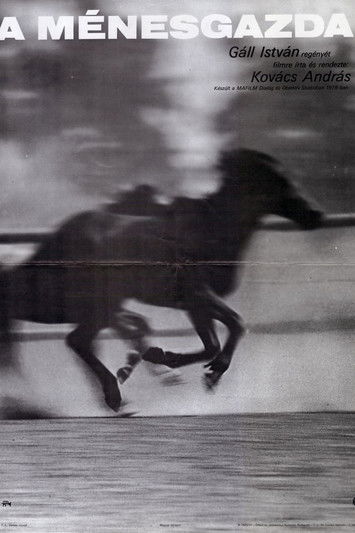
Representation Score
Fair
1978
Director
András Kovács
Runtime
102 minutes
Average Rating
No ratings yetNew Showbiz Analysis
The Stud Farm is a period drama that prioritizes socio-political identity over other markers like race or gender. It focuses on the friction between ideological authority and specialized labor communities. While the film lacks contemporary representation of LGBTQ+ or multi-ethnic groups, it excels in its critique of centralized political authority. The film highlights the ability to act of underrepresented workers, offering a nuanced portrayal of social fragmentation and the failures of centralized control in 1950s Hungary.
Category Breakdown
The film does not include any explicit LGBTQ+ characters or stories focused on sexual identity. It centers on class struggles and political tensions instead.
The story emphasizes a traditional male-dominated structure with a focus on male leadership and labor. It examines political incompetence rather than challenging gender roles in authority.
Set in a culturally uniform Hungarian setting, the film does not feature a diverse cast. It explores social stratification between political factions and exiled workers.
The film provides a sophisticated critique of institutional power and state-driven social engineering. It portrays 'class enemies' as skilled and proud individuals rather than political villains.
There is no indication that disability or neurodivergence plays a role in the character arcs or plot development.
Present on Screen
Limited or Absent
Official Synopsis
In 1950, when a young communist director arrives to take charge of a stud farm near the Hungarian borders, his efforts to draw on the experience of the old hands there meet with little success. Janit Busó is not accepted by the farm workers, who were exiled here and branded as class enemies. Busó tries to gain authority, which is not easy among these proud, resentful people who are skilled in their profession. In his difficult situation, the dubious support he receives from the party does more harm than good.
1981

1930

1980
1985
1963
1971

1961
1960
No reviews yet. Be the first to share your thoughts on this movie!
Use the rating form above to leave a star rating and optional review.