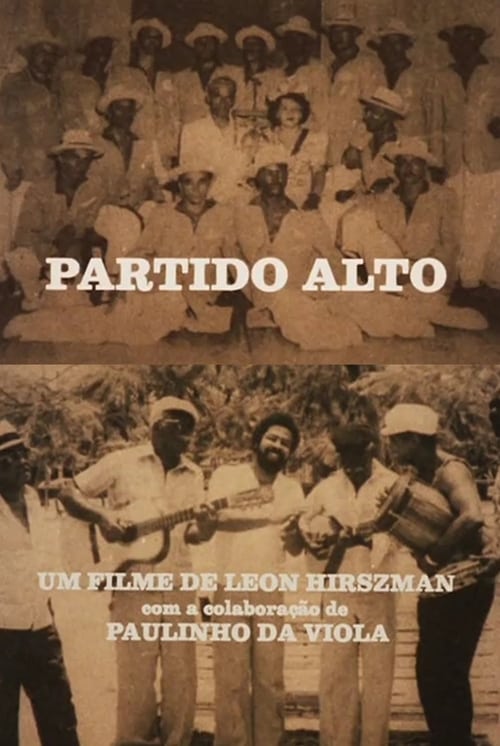
Partido Alto
1976
No user ratings available yet
Diversity score: 7.1 out of 10
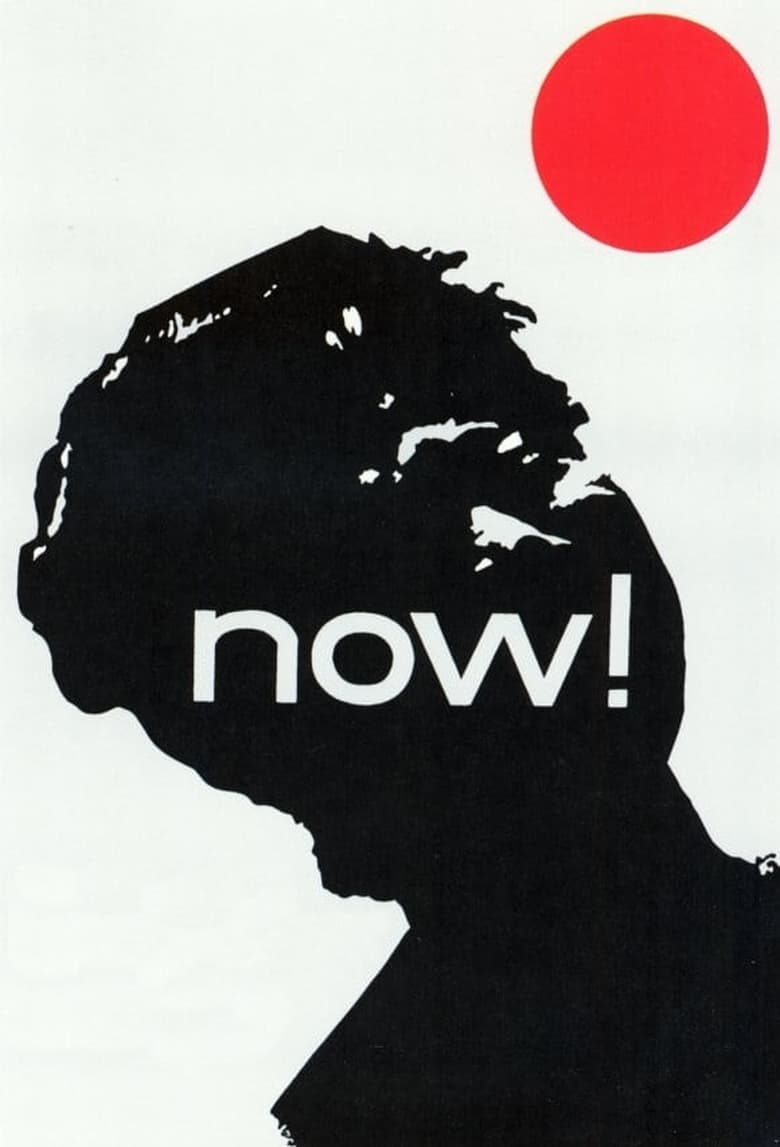
1965
Director
Santiago Álvarez
Runtime
5 minutes
Average Rating
No ratings yetSynopsis
Using morgue photos, newsreel footage, and a recording by Lena Horne, Cuban filmmaker Santiago Alvarez fired off 'Now!', one of the most powerful bursts of propaganda rendered in the 1960s.
Overall Score
Good
Category Breakdown
LGBTQ+ Representation
The film focuses on geopolitical and class-based struggles. It does not feature specific LGBTQ+ narratives or non-cisnormative identities.
Gender Representation
Gender is secondary to class and colonial status. Women appear in newsreel footage as active participants in revolutionary struggles rather than passive subjects.
Racial & Ethnic Diversity
The film excels by centering the Global South experience. It prioritizes the identities of colonized and ethnic minorities marginalized by Western-centric media.
Religious & Cultural Diversity
The work critiques Western institutional hegemony, including capitalism and religion. It frames the revolutionary insurgency of the working class as a legitimate response to colonialism.
Disability Representation
As a political montage of newsreels and historical footage, there is no discernible focus on disability representation.
Strengths
Areas for Improvement
AI Analysis
Santiago Álvarez’s *Now!* is a seminal work of Third Cinema that uses non-linear montage to dismantle Western cinematic hierarchies. It functions as a visual essay deconstructing power dynamics between the Global North and the Global South. The film achieves exceptional representation regarding racial, ethnic, and cultural agency. It prioritizes the agency of colonized populations, framing their struggle against hegemony as the central driver of its visual logic. However, the film is highly specialized. It does not engage with modern identity politics, such as LGBTQ+ or specific disability narratives, as its focus remains on macro-societal and class-based movements.
1976

2017
1968
1968
1980
1957

1964
1959
2012
1979

1967
1994
No reviews yet. Be the first to share your thoughts on this movie!
Use the rating form above to leave a star rating and optional review.