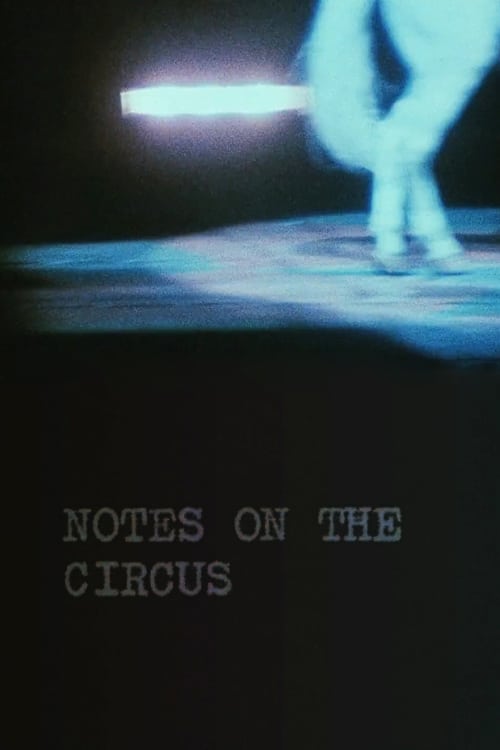
Notes on the Circus
1967
No user ratings available yet
Representation score: 2.1 out of 10

Representation Score
Fair
1967
Not RatedDirector
Jonas Mekas
Runtime
5 minutes
Average Rating
No ratings yetNew Showbiz Analysis
Jonas Mekas’s documentary serves as a vital historical record of cultural disruption. By centering the International Society for Krishna Consciousness, the film challenges the Western cultural homogeneity of the 1960s and celebrates non-Western spiritual aesthetics. While the film excels in racial and cultural representation, it lacks the specific character-driven roles needed to score highly in gender or LGBTQ+ categories. The observational, impressionistic nature of the work prioritizes communal ritual over individual identity narratives. Ultimately, the film's strength lies in its rejection of traditional Western institutional norms, offering a progressive glimpse into a multi-ethnic, spiritual presence in the urban public sphere.
Category Breakdown
The film does not explicitly depict LGBTQ+ identities or non-cisgender narratives. Instead, it focuses on the collective ritual of the Hare Krishna movement within a 1960s underground context.
The observational style flattens traditional gender roles in favor of a shared spiritual identity. While it avoids reinforcing masculine leadership, it lacks character-driven roles to establish deeper gender representation.
Mekas centers a non-Western religious movement within New York City, disrupting mid-century cultural homogeneity. This elevates non-Anglo-Saxon spiritual practices to the center of the cinematic frame.
The film prioritizes religious pluralism over the dominant Christian morality of the 1960s. It validates non-traditional lifestyles through its focus on communal chanting and public ritual.
There is no discernible evidence regarding the portrayal of disability. No characters appear to be utilized as plot devices or subjected to mockery.
Present on Screen
Limited or Absent
Official Synopsis
Jonas Mekas captures an afternoon in New York as a Hare Krishna group fills the streets with chanting and song. Filmed with his characteristic freewheeling style and later incorporated into Walden, the short stands as an impressionistic sketch of spiritual fervor and Mekas’s participatory approach to cinema.
1967
1990

1970
1966
1977

1968

1970
1972
No reviews yet. Be the first to share your thoughts on this movie!
Use the rating form above to leave a star rating and optional review.