Sun Ra: A Joyful Noise
1980
No user ratings available yet
Representation score: 6.2 out of 10
Representation Score
Fair
1959
Not RatedDirector
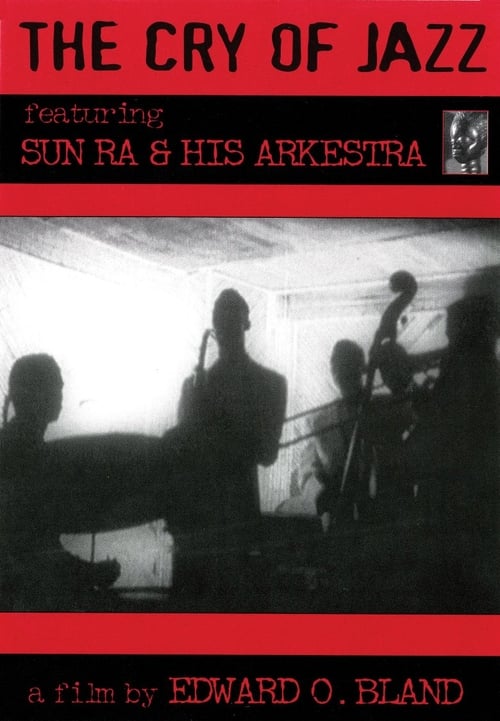
Edward Bland
Runtime
34 minutes
Average Rating
No ratings yetNew Showbiz Analysis
The Cry of Jazz is a groundbreaking independent film that highlights the intersection of music and racial politics. It uses jazz as a metaphor for racial struggle, offering a unique critique of mid-century documentary filmmaking. While the film excels in showcasing the ability to act of Black creators, it falls short in representing gender diversity and LGBTQ+ characters. Its focus on male musicians limits its inclusivity. Overall, the film's strength lies in its use of jazz to challenge conventional narratives and highlight the experiences of African American artists.
Category Breakdown
The film does not feature any on-screen LGBTQ+ characters or narratives.
The movie focuses almost entirely on the male-dominated jazz scene of the mid-1950s. It lacks significant roles for women, focusing instead on male musicians and nightclub environments.
The film centers on Black creators such as Edward O. Bland and Sun Ra, disrupting the predominantly white perspective of 1950s cinema.
The film portrays jazz as a response to systemic structures, emphasizing the subjective experience of performers over traditional musical hierarchies.
There is no significant depiction of physical or neurodivergent disabilities in the film.
Present on Screen
Limited or Absent
Official Synopsis
Filmed in Chicago & finished in 1959, The Cry of Jazz is filmmaker, composer and arranger Edward O. Bland's polemical essay on the politics of music and race - a forecast of what he called "the death of jazz." A landmark moment in black film, foreseeing the civil unrest of subsequent decades, it also features the only known footage of visionary pianist Sun Ra from his beloved Chicago period. Featured are ample images of tenor saxophonist John Gilmore and the rest of Ra's Arkestra in Windy City nightclubs, all shot in glorious black & white.
1980
2018
1944
1997
2023
1986
1988
1981
No reviews yet. Be the first to share your thoughts on this movie!
Use the rating form above to leave a star rating and optional review.