
Ella Fitzgerald: Just One of Those Things
2019
No user ratings available yet
Representation score: 9.2 out of 10
Representation Score
Good
1994
Not RatedDirector
Jean Bach
Runtime
60 minutes
Average Rating
No ratings yetNew Showbiz Analysis
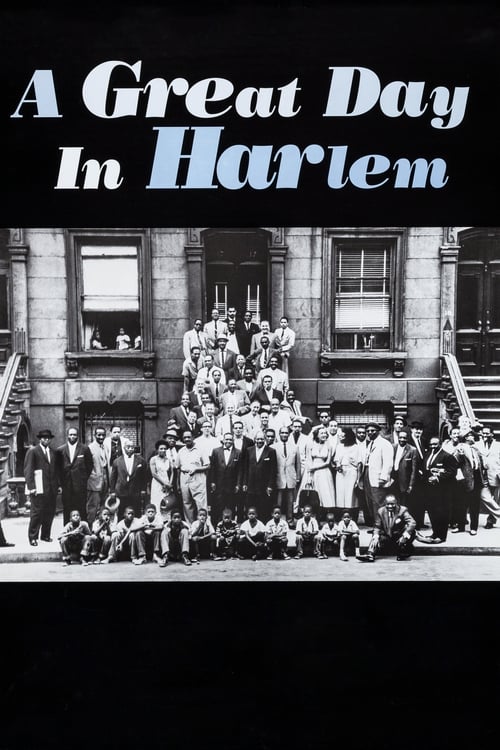
A Great Day in Harlem is a vital piece of archival reclamation that centers Black ability to act. By focusing on the 1958 Esquire photograph, the documentary shifts the perspective from outside observers to the musicians themselves as the primary architects of a global movement. The film succeeds in dismantling passive historical clichés, instead presenting a profound celebration of Black excellence and communal identity. It effectively disrupts Eurocentric musical histories by prioritizing the lived experiences and professional mastery of the Harlem jazz community. While the film excels in racial and cultural representation, it remains a reflection of its era's professional landscape. The gender and LGBTQ+ depictions are largely neutral, mirroring the historical structures of the 1950s jazz scene.
Category Breakdown
The film focuses on professional legacies and communal jazz history. It does not include explicit LGBTQ narratives or characters who identify as transgender or non-binary, maintaining a neutral stance on LGBTQ inclusion.
The documentary reflects the male-dominated professional structures of the 1950s jazz era. It does not challenge the gendered hierarchies present in the musical industry of that period.
This work achieves exceptional representation by centering a Black-majority cast. It prioritizes Harlem's cultural autonomy and celebrates Black musical identity as a central historical driver.
The narrative highlights cultural autonomy by framing Harlem through its own social and musical institutions. It presents the community as a sophisticated, self-contained cultural ecosystem.
There is no significant evidence regarding the portrayal of visible or invisible disabilities within the film's archival context.
Present on Screen
Limited or Absent
Official Synopsis
Art Kane, now deceased, coordinated a group photograph of all the top jazz musicians in NYC in the year 1958, for a piece in Esquire magazine. Just about every jazz musician at the time showed up for the photo shoot which took place in front of a brownstone near the 125th street station. The documentary compiles interviews of many of the musicians in the photograph to talk about the day of the photograph, and it shows film footage taken that day by Milt Hinton and his wife.
2019
1999
2015
2018
2019
1997
1980
2016
No reviews yet. Be the first to share your thoughts on this movie!
Use the rating form above to leave a star rating and optional review.