
Continue Being: Café Tacvba
2010
No user ratings available yet
Representation score: 5.3 out of 10
Representation Score
Good
2012
Not RatedDirector
Olallo Rubio
Runtime
101 minutes
Average Rating
No ratings yetNew Showbiz Analysis
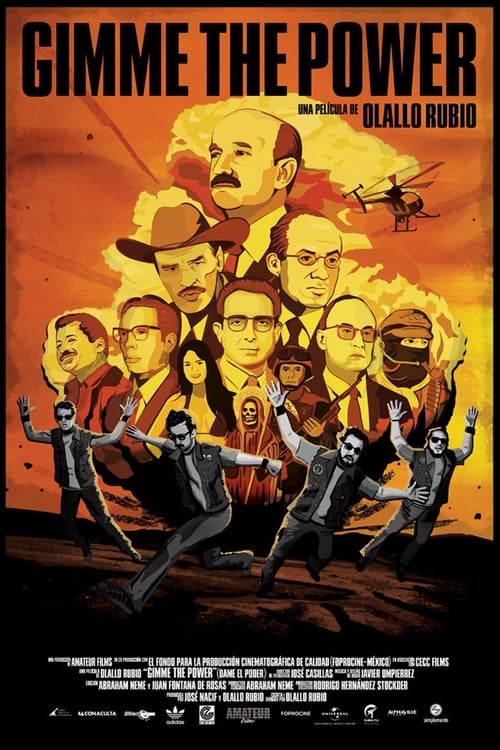
Gimme the Power succeeds as a profound study of identity politics and systemic critique. Instead of a typical biography of Molotov, the film uses the band to examine the broader struggles of underrepresented populations. It effectively challenges traditional Mexican social structures by validating the subversive cultural expressions of its youth. The documentary's strength lies in its exploration of the intersection of various identities through the lens of hip-hop. It refuses to provide a sanitized account of the musical movement, instead offering a critical look at the tensions between the state and the urban working class. However, the film is limited by the historical context of the hip-hop scene it documents. The lack of explicit LGBTQ+ narratives and the male-dominated perspective reflect the era's social realities, preventing a more inclusive representation of gender and sexuality.
Category Breakdown
The film focuses on the socio-political landscape of Mexican hip-hop and rap, which lacks explicit attention to LGBTQ+ narratives or non-cisgender identities, reflecting the predominantly straight-focused musical scene of that time.
The narrative highlights a historical hip-hop scene dominated by male voices. Although female voices are part of the movement, they are not the main drivers of the central musical story.
The documentary excels by exploring the intersection of Mexican identity with Black and Latino cultural influences. It uses hip-hop to engage in a sophisticated dialogue about cultural adaptation and empowerment.
The film disrupts nationalistic narratives by prioritizing critiques of systemic failures. It validates subversive expressions like graffiti and street protests as essential responses to institutional corruption and oppression.
There is no significant evidence regarding the portrayal of visible or invisible disabilities within the documentary context.
Present on Screen
Limited or Absent
Official Synopsis
A rock documentary, about the Mexican band Molotov, that focuses more in the political and musical context of Mexico rather than in the actual story of the band.
2010
1981
2021

2021
2007
2008
2016

2002
No reviews yet. Be the first to share your thoughts on this movie!
Use the rating form above to leave a star rating and optional review.