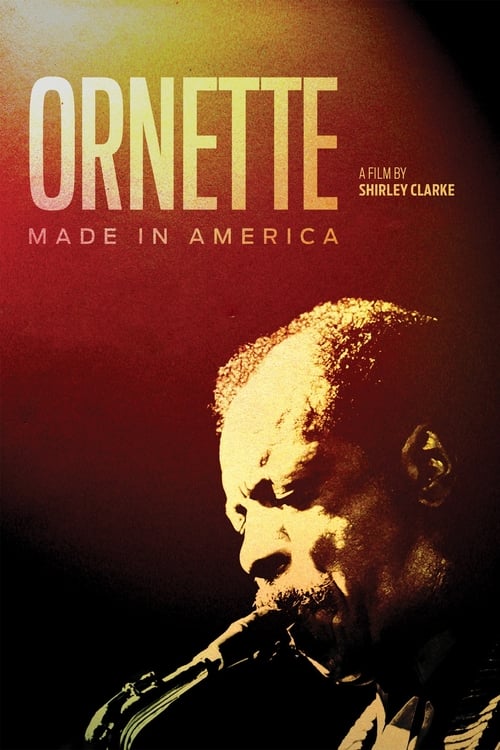
Ornette: Made in America
1986
No user ratings available yet
Representation score: 7.3 out of 10
Representation Score
Good
1980
Not RatedDirector
Robert Mugge
Runtime
59 minutes
Average Rating
No ratings yetNew Showbiz Analysis
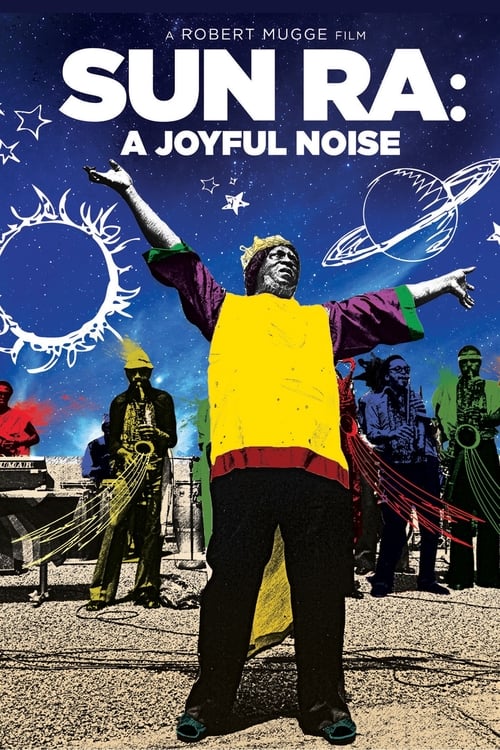
Sun Ra: A Joyful Noise is a profound exploration of Afrofuturism that effectively challenges Western historical and cultural hierarchies. By centering Black intellectual and spiritual authority, the film provides a powerful platform for African American ability to act through music and cosmic philosophy. However, the documentary lacks explicit focus on gender subversion or LGBTQ+ narratives. While the ensemble dynamic moves away from traditional domestic structures, the visible lack of women's ability to drive the story and queer-specific character arcs prevents a higher overall score. Ultimately, the film's strength lies in its deconstruction of Western epistemologies. It replaces terrestrial social norms with an expansive, identity-driven cosmic framework that remains highly progressive in its cultural representation.
Category Breakdown
The film does not focus on LGBTQ+ narratives or non-binary identities. While it explores cosmic identities, there are no specific queer character arcs or same-sex relationships.
The narrative centers on Sun Ra's musical leadership. Although the ensemble emphasizes artistic merit over traditional patriarchal structures, there is a lack of prominent female roles or ability to act in the footage.
As a foundational text for Afrofuturism, the film centers an African American ensemble. It uses cosmic, Afrocentric mythology to provide Black ability to act and transcend traditional racial hierarchies.
The film excels in showcasing non-traditional spiritual frameworks. Sun Ra’s cosmic philosophy critiques Western institutional religion, promoting a decentralized and liberated existence aligned with post-colonial thought.
There are no specific depictions of visible or invisible disabilities that serve as central plot points or character studies within the available footage.
Present on Screen
Limited or Absent
Official Synopsis
Robert Mugge filmed jazz great Sun Ra on location in Philadelphia, Baltimore, and Washington, D.C. between 1978 and 1980. The resulting 60-minute film includes multiple public and private performances, poetry readings, a band rehearsal, interviews, and extensive improvisations. Transferred to HD from the original 16mm film and lovingly restored for the best possible viewing experience.
1986
2018
1988
2021
2018
2021
1992
1999
No reviews yet. Be the first to share your thoughts on this movie!
Use the rating form above to leave a star rating and optional review.