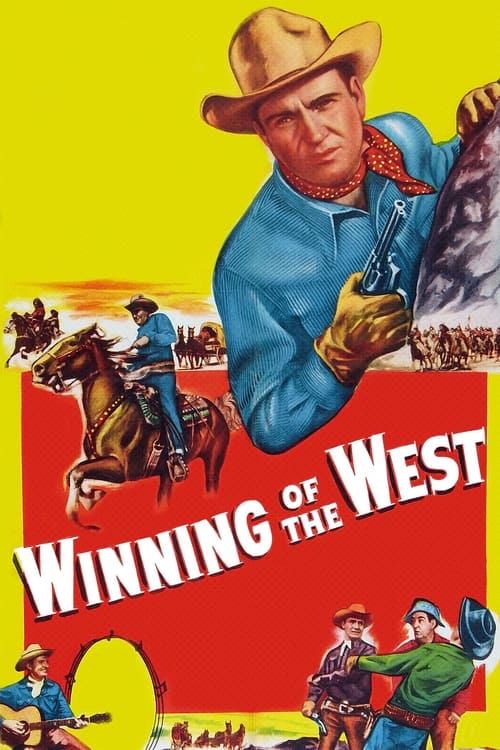
Winning of the West
1953
No user ratings available yet
Diversity score: 2.2 out of 10
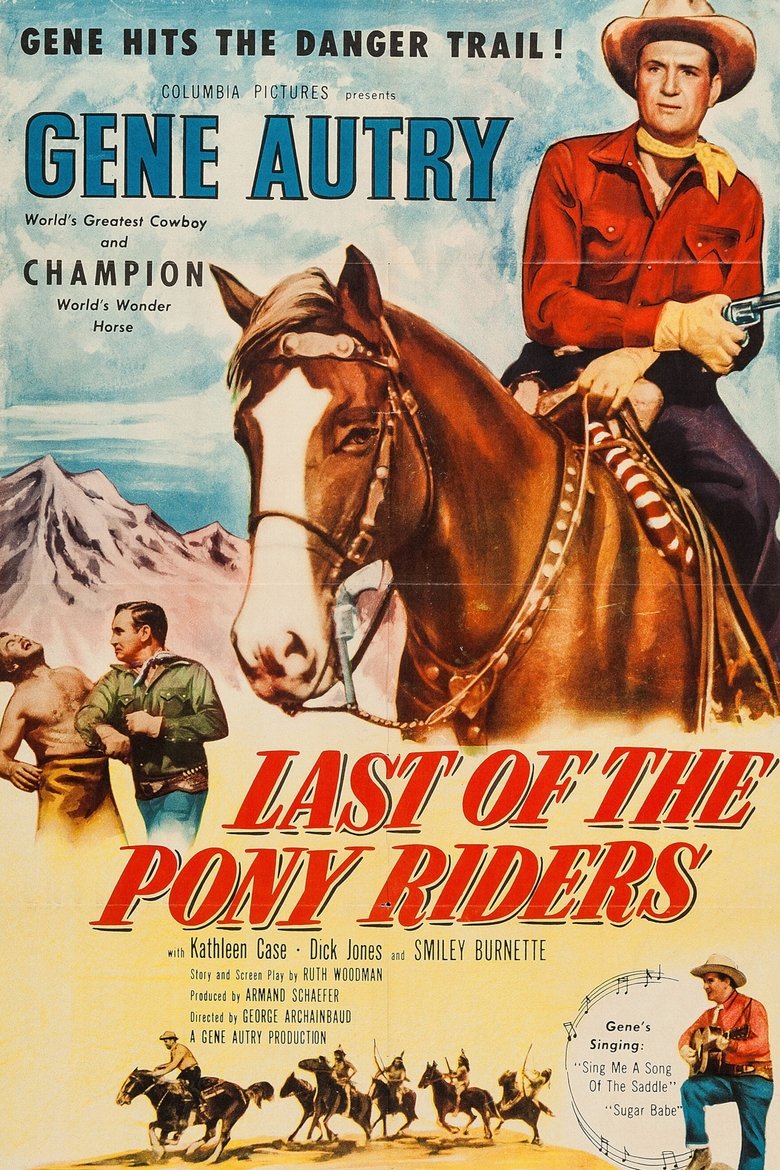
1953
PassedDirector
George Archainbaud
Runtime
58 minutes
Average Rating
No ratings yetSynopsis
Ex-Pony Express rider Autry ties to protect his US mail franchise as the Pony Express gives way to stage coach mail and the telegraph. Gene's last film appearance as a singing cowboy.
Overall Score
Limited
Category Breakdown
LGBTQ+ Representation
The film lacks LGBTQ+ characters or non-heteronormative identities. It adheres to the strict censorship standards of 1953, prioritizing traditional social structures.
Gender Representation
The story centers on the masculine 'singing cowboy' archetype. Women appear only in supporting roles, reinforcing traditional gender hierarchies and domesticity.
Racial & Ethnic Diversity
Casting likely reflects the era's homogeneity. While Indigenous populations are part of the historical setting, they often serve colonial narratives rather than high-agency roles.
Religious & Cultural Diversity
The narrative celebrates American frontier spirit and institutional stability. It offers no critique of Western capitalism or the era's traditional social structures.
Disability Representation
There is no evidence of characters navigating visible or invisible disabilities. The film lacks any exploration of disability through a lens of agency.
Strengths
Areas for Improvement
AI Analysis
Last of the Pony Riders is a quintessential product of the 1950s studio system. It functions as a traditionalist Western that reinforces mid-century social norms rather than challenging them. The film emphasizes masculine competence and the preservation of American institutions like the US mail franchise. This focus on institutional continuity and the 'singing cowboy' archetype maintains a very narrow social perspective. Ultimately, the work lacks meaningful representation across most diversity metrics. It operates within a rigid framework of conventional archetypes and historical biases common to the genre during this period.
1953
1952
1944

1934
1932
1941
1938
1953
1944

1934
1963
1936
No reviews yet. Be the first to share your thoughts on this movie!
Use the rating form above to leave a star rating and optional review.