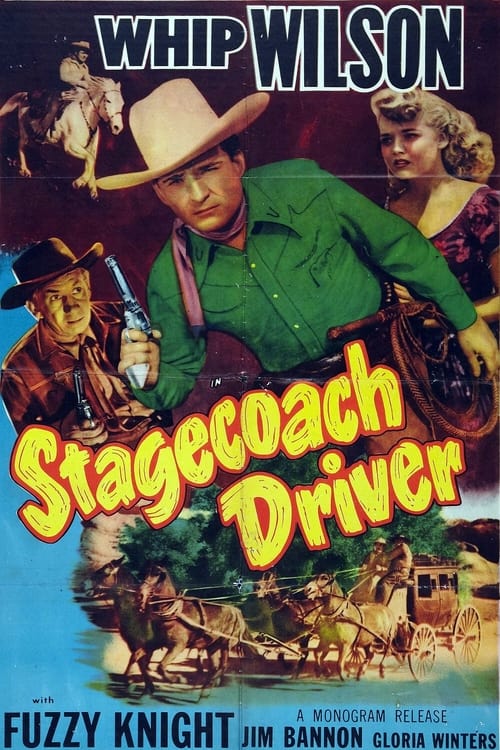
Stagecoach Driver
1951
No user ratings available yet
Diversity score: 2.2 out of 10
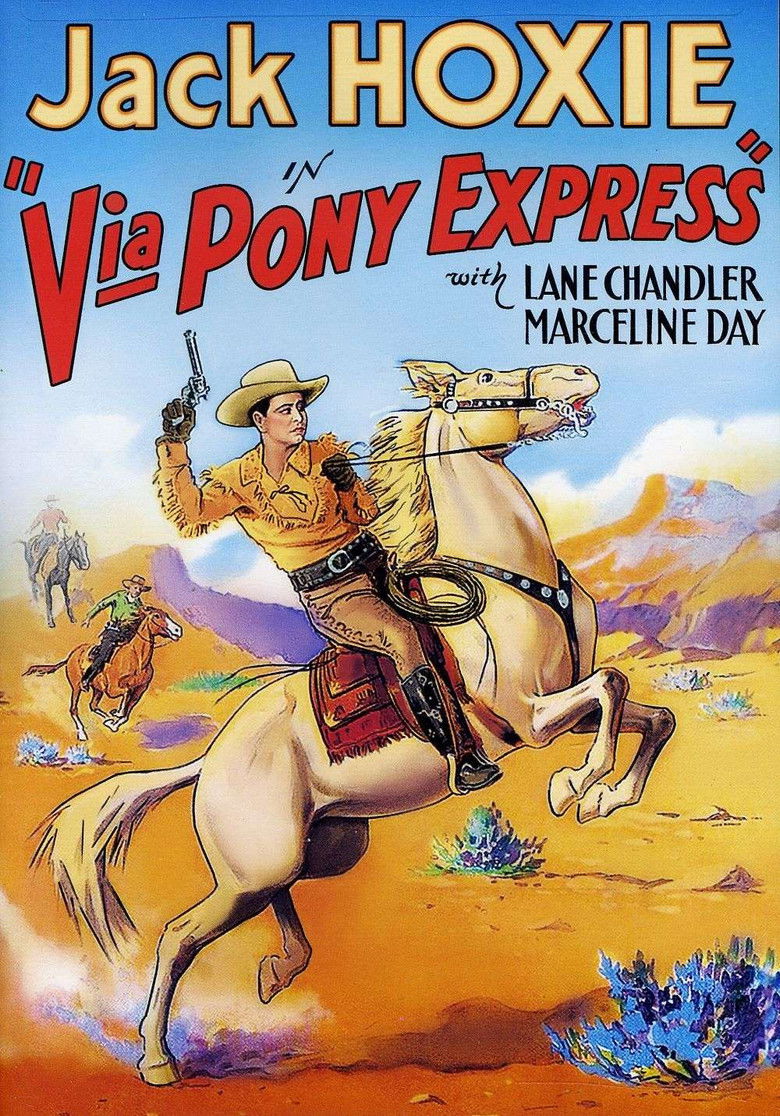
1933
PassedDirector
Lewis D. Collins
Runtime
60 minutes
Average Rating
No ratings yetSynopsis
The Government has approved Betty Castelar's Spanish land grant and notification is sent via pony express. Porter is after her ranch and waylay's rider Buck Carson to get the letter. Left to die in the desert, he is saved by Castelar's horse and brought to her ranch. When Porter later arrives, a peculiar mannerism lets Buck identify him as the gang leader and he vows to get the letter back.
Overall Score
Limited
Category Breakdown
LGBTQ+ Representation
The film lacks any evidence of LGBTQ+ characters or non-heteronormative identities. It adheres to the traditional romantic and platonic structures common in 1930s Westerns.
Gender Representation
The plot centers on a male protagonist's survival and confrontation. While Betty Castelar's land grant drives the story, her role appears reactive to the male characters' actions.
Racial & Ethnic Diversity
A Spanish land grant provides a specific ethnic framework for the setting. However, it remains unclear if this offers meaningful representation or simply serves as a plot device.
Religious & Cultural Diversity
The narrative reinforces traditional Western values like property rights and legal legitimacy. It focuses on individual grit and the protection of established land ownership.
Disability Representation
There is no information available regarding the depiction of physical or mental disabilities in this film.
Strengths
Areas for Improvement
AI Analysis
Via Pony Express is a conventional 1930s Western that prioritizes genre tropes over diverse character development. The story focuses on land disputes, individual heroism, and clear-cut moral binaries typical of the era. The narrative architecture follows a standard masculine journey of survival and confrontation. While the plot is sparked by a female character's land grant, the agency remains largely with the male protagonist. Ultimately, the film reflects the standard social and cultural hierarchies of early American cinema. It lacks intentional systemic subversion or intersectional depth, functioning instead as a straightforward period piece.
1951
1951
1951
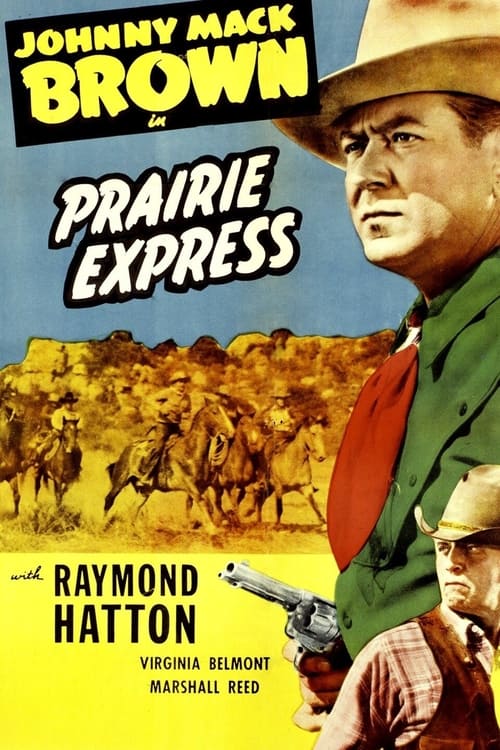
1947
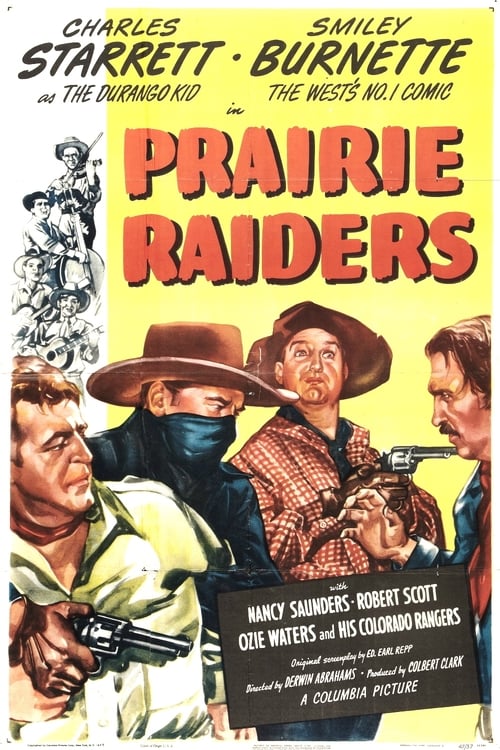
1947
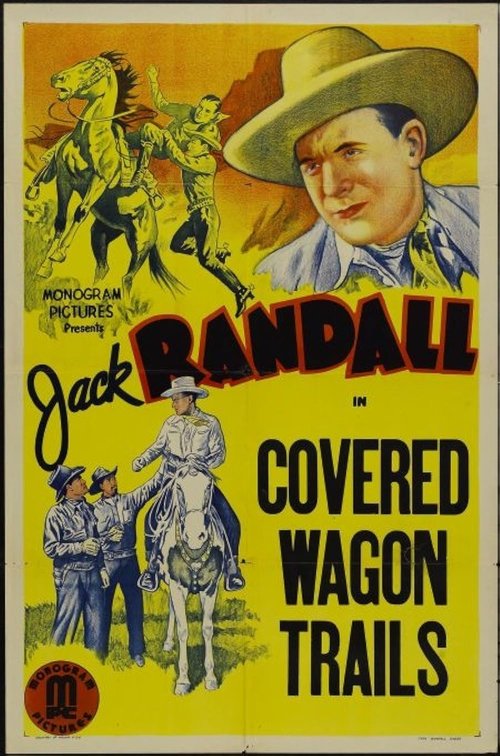
1940
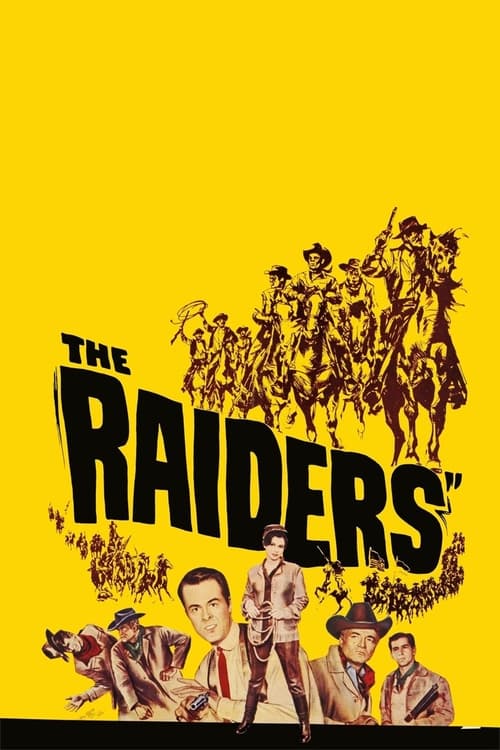
1963
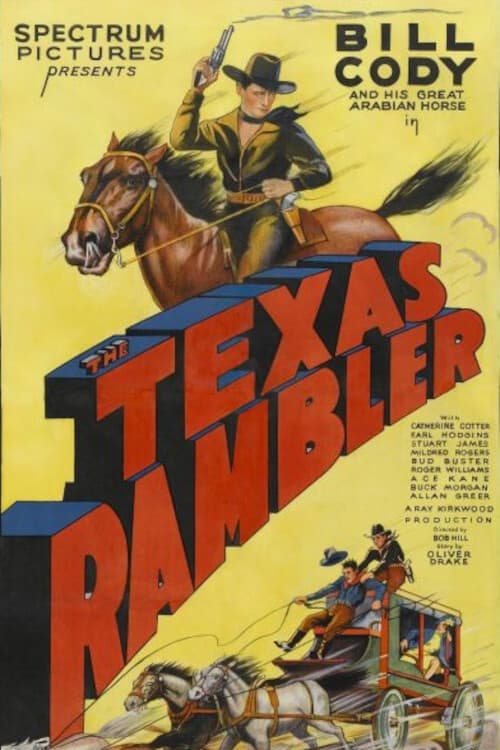
1935
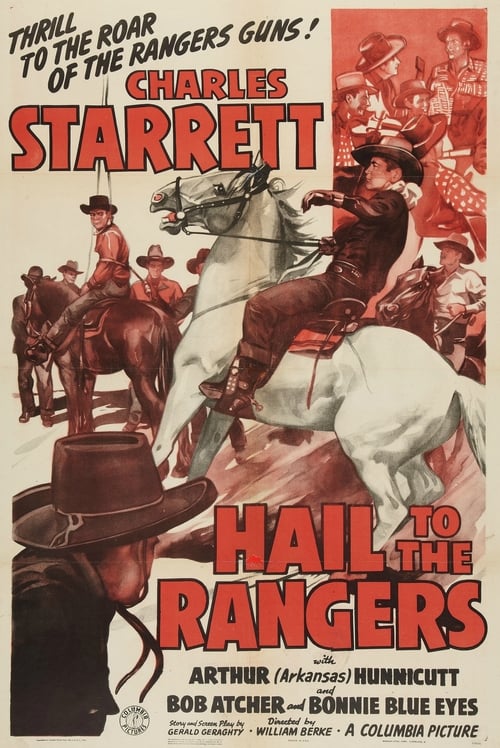
1943
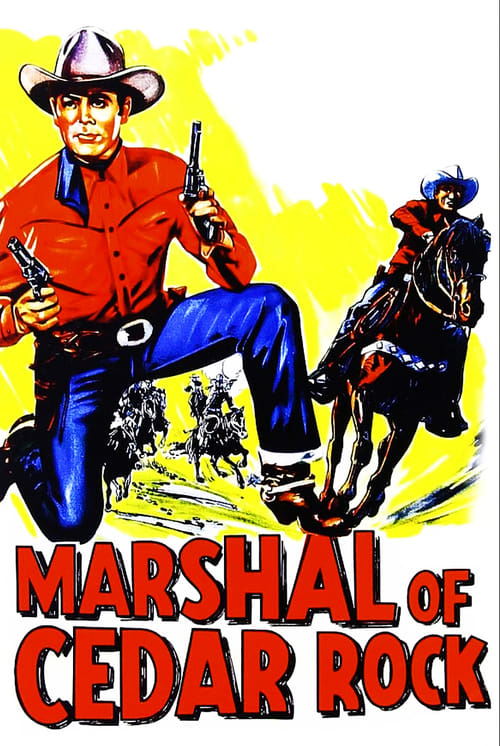
1953
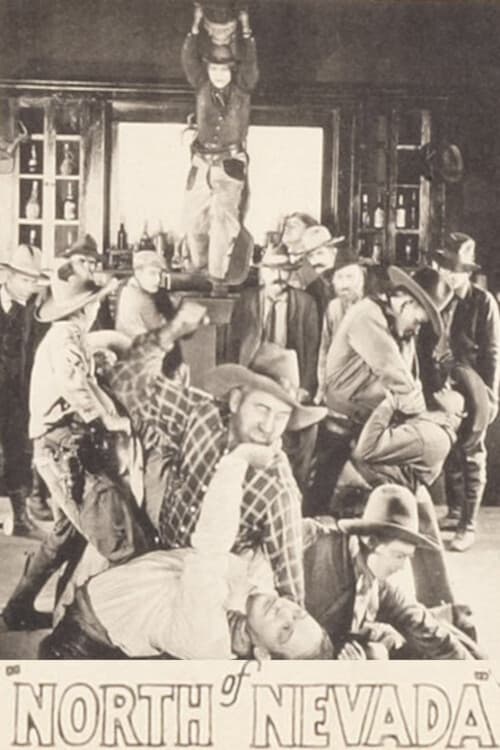
1924
1930
No reviews yet. Be the first to share your thoughts on this movie!
Use the rating form above to leave a star rating and optional review.