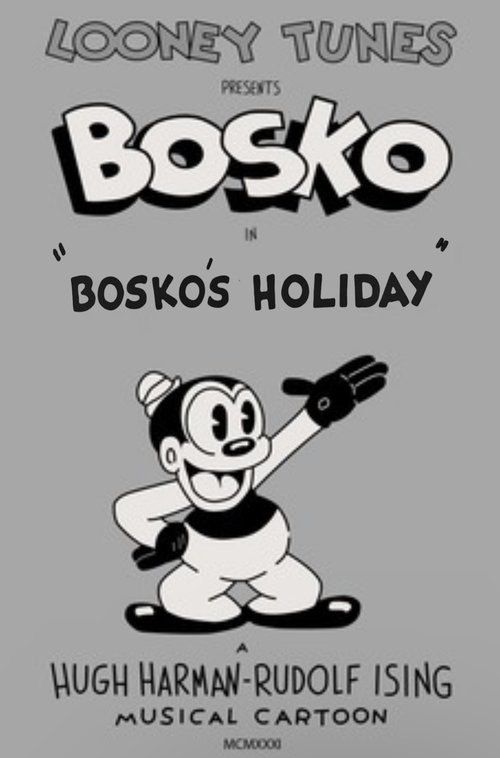
Bosko's Holiday
1931
No user ratings available yet
Representation score: 1.1 out of 10
Representation Score
Minimal
1932
TV-Y7Director
Hugh Harman
Runtime
7 minutes
Average Rating
No ratings yetNew Showbiz Analysis
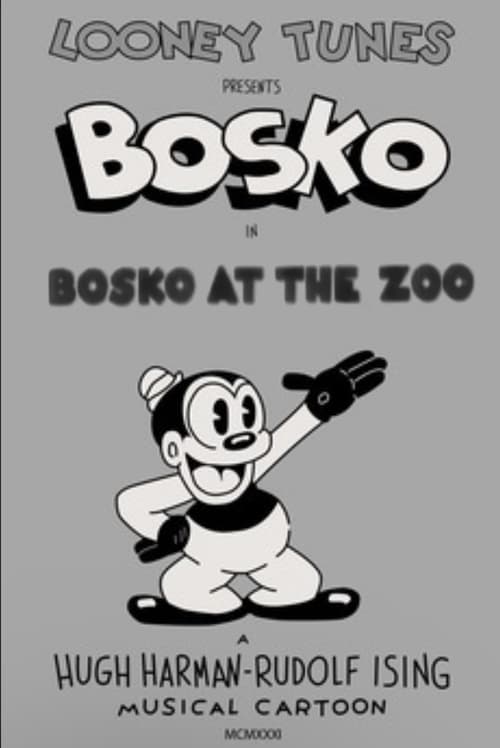
Bosko at the Zoo is a product of its time, emphasizing slapstick humor over social commentary. Although it features a Black protagonist, the character design leans heavily on racial caricatures and early 20th-century animation techniques. The film upholds traditional hierarchies through its character dynamics. Honey is depicted in a reactive, vulnerable position, while Bosko leads the action, adhering to the gender roles typical of the era. Overall, the film fails to challenge or subvert social norms and lacks progressive representation. It serves as a simple, low-stakes comedy reflecting the unrefined standards of early American animation.
Category Breakdown
The film does not include any depictions of LGBTQ+ identities or queer subtext. Character interactions are confined to traditional heterosexual relationships between Bosko and Honey.
Honey is portrayed in a passive, reactive role, often showing fear and vulnerability. Bosko, on the other hand, takes an active role, fitting the conventional gender roles of the 1930s.
The film includes a Black protagonist but uses exaggerated facial features and high-contrast visuals. These elements rely on racial caricatures rather than offering nuanced or empowered representations.
The story serves as straightforward slapstick comedy without addressing or challenging Western social norms or institutions. It presents a neutral, non-ideological portrayal of everyday life.
There are no characters shown with visible or hidden disabilities. The narrative does not address any themes related to disability.
Present on Screen
Limited or Absent
Official Synopsis
Bosko and Honey go to the zoo. Honey is frightened by the lion, but Bosko is the one who ends up in danger.
1931
1932
1931
1932
1932
1933
1932
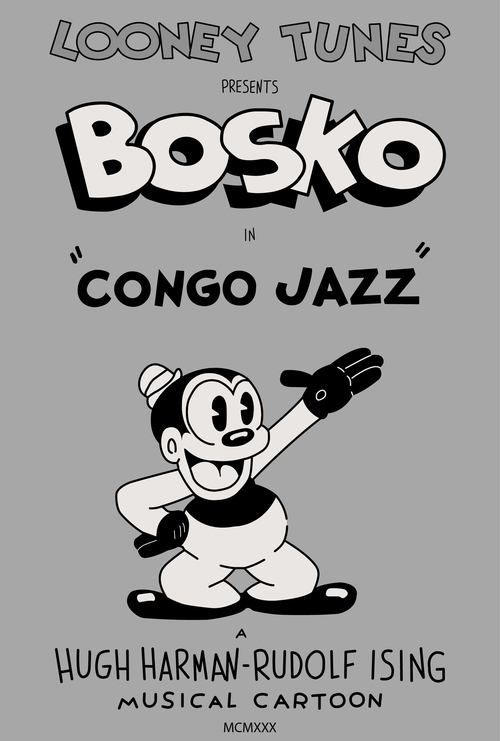
1930
No reviews yet. Be the first to share your thoughts on this movie!
Use the rating form above to leave a star rating and optional review.