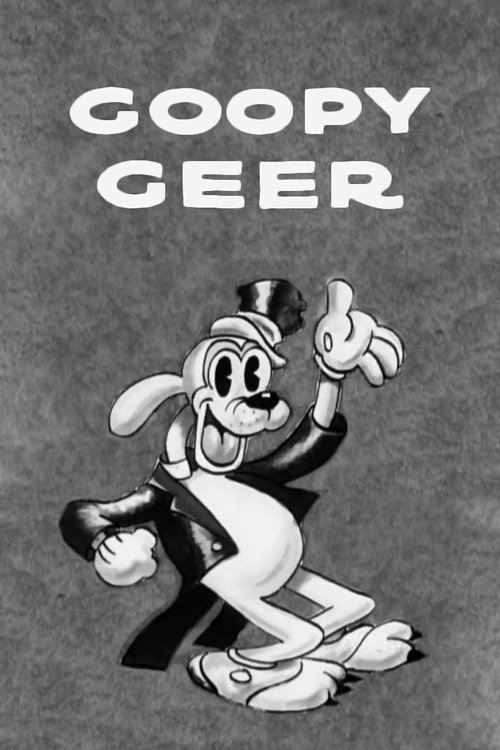
Goopy Geer
1932
No user ratings available yet
Representation score: 1.3 out of 10
Representation Score
Minimal
1932
Director
Rudolf Ising
Runtime
7 minutes
Average Rating
No ratings yetNew Showbiz Analysis
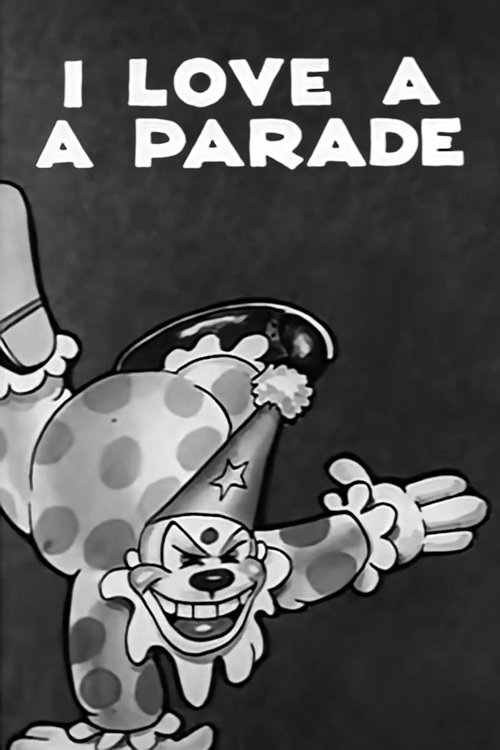
I Love a Parade is a visually rhythmic montage of circus themes typical of 1930s animation. It emphasizes slapstick humor and musical timing over complex narratives or social commentary. The film relies on the era's sideshow aesthetics, using physical atypicalities and ethnic stereotypes as sources of amusement. These elements serve as spectacles rather than well-developed characters. Overall, the film reflects the historical context of its time, upholding traditional Western entertainment standards through a series of vignettes without critiquing systemic issues.
Category Breakdown
The film does not depict any LGBTQ identities or same-sex relationships. It focuses on physical comedy involving animals and sideshow performances.
The film lacks female characters and does not develop gendered roles. Characters are mostly animals or performers defined by their physical attributes rather than gender.
The film uses stereotypes like the 'Indian snake charmer' to create a sense of exotic otherness. These elements present cultural differences as amusing without offering deeper insights.
The film follows a traditional Western entertainment format, presenting the circus as a form of communal fun. It celebrates the variety shows of early 20th-century America.
Sideshow elements like the 'rubber man' or 'Siamese twin pigs' use physical differences as a source of humor. These depictions lack depth and frame differences as mere visual gags.
Present on Screen
Limited or Absent
Official Synopsis
A circus parade, to the title tune. Next, a series of sideshow acts: the wild boy, the rubber man, siamese twin pigs, a tattooed man, a hula-dancing hippo, an Indian snake (or goat) charmer. Into the ring, we have a hippo riding a horse (much to the horse's dismay), a high-wire act (again, to the title song), and finally a lion tamer.
1932
1930
1931
1921
1932
1931
1916
1932
No reviews yet. Be the first to share your thoughts on this movie!
Use the rating form above to leave a star rating and optional review.