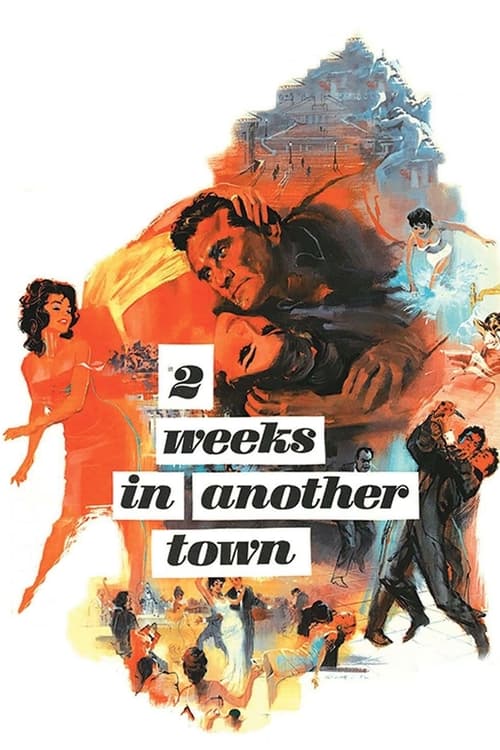
Two Weeks in Another Town
1962
No user ratings available yet
Diversity score: 4.3 out of 10
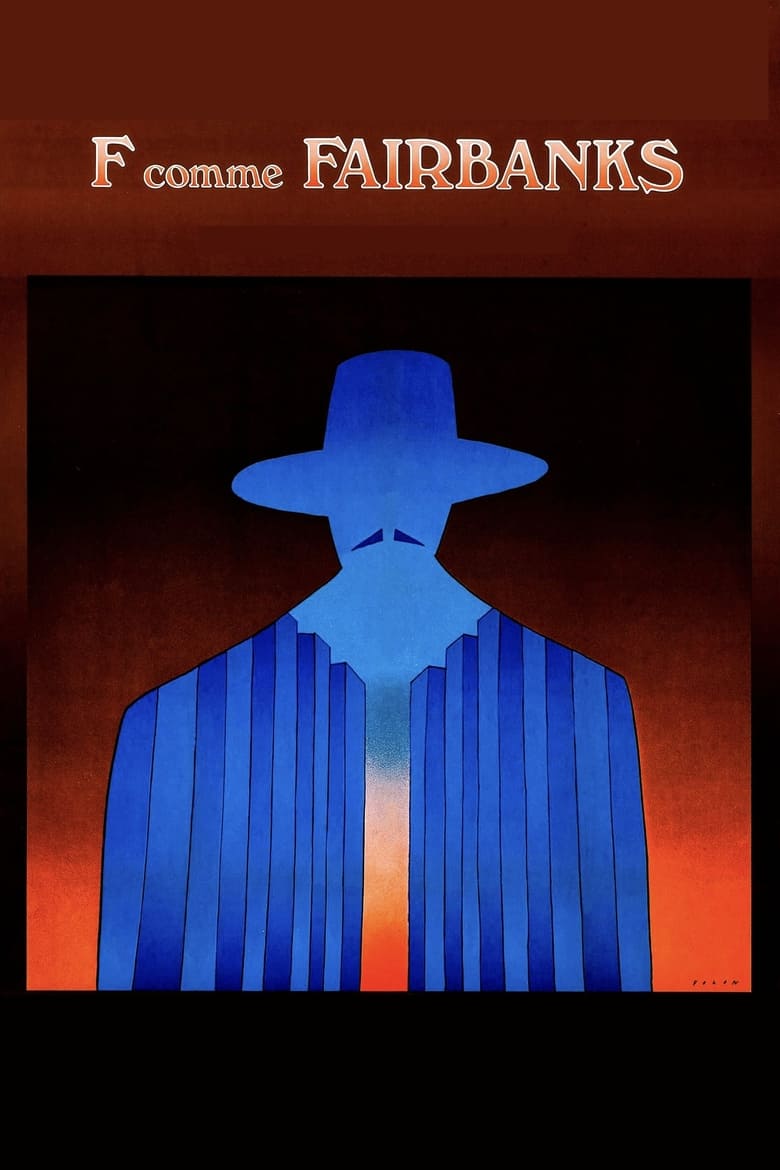
1976
Director
Maurice Dugowson
Runtime
110 minutes
Average Rating
No ratings yetSynopsis
André Fragman, nicknamed "Fairbanks" after his childhood idol by his film projectionist father, returns home from military service. He meets and falls in love with Marie, an aspiring actress who is rehearsing for a stage production of 'Alice in Wonderland'. All his attempts to find a job and a way out end up in failure, his friends Étienne and Jean-Pierre are powerless to help him, and the dreamy yet desperate hero loses his mind.
Overall Score
Fair
Category Breakdown
LGBTQ+ Representation
The film focuses on André's romantic pursuit of Marie. There is no explicit depiction of queer identities or non-heteronormative intimacy within the narrative.
Gender Representation
Marie is granted creative agency through her theatrical rehearsals. Conversely, the film subverts masculine tropes by depicting André's failure to provide stability or maintain stoicism.
Racial & Ethnic Diversity
The narrative provides no information regarding the racial or ethnic makeup of the cast. It lacks visible efforts toward intersectional or diverse casting.
Religious & Cultural Diversity
The story critiques traditional success metrics and societal stability. It prioritizes a descent into psychological fragmentation over the triumph of the individual within social frameworks.
Disability Representation
The plot centers on the protagonist's mental breakdown and loss of mind. This suggests a narrative interest in mental instability, though within 1970s dramatic conventions.
Strengths
Areas for Improvement
AI Analysis
F as in Fairbanks is a character study that prioritizes psychological depth over traditional heroic arcs. It succeeds in deconstructing masculine archetypes by showing a protagonist who fails to meet societal expectations of stability and resilience. However, the film lacks meaningful intersectional representation. There is no evidence of racial diversity or explicit LGBTQ+ characters, leaving the social scope of the film quite narrow. Ultimately, the film's strength lies in its existentialist critique of social order rather than its commitment to diverse casting or identity-driven storytelling.
1962
1965
1939
1992
1966
1967
1993
1958
2012
1963

1992
1979
No reviews yet. Be the first to share your thoughts on this movie!
Use the rating form above to leave a star rating and optional review.