Thirst
1949
No user ratings available yet
Diversity score: 4.7 out of 10
1979
Director
Maximilian Schell
Runtime
91 minutes
Average Rating
No ratings yetSynopsis
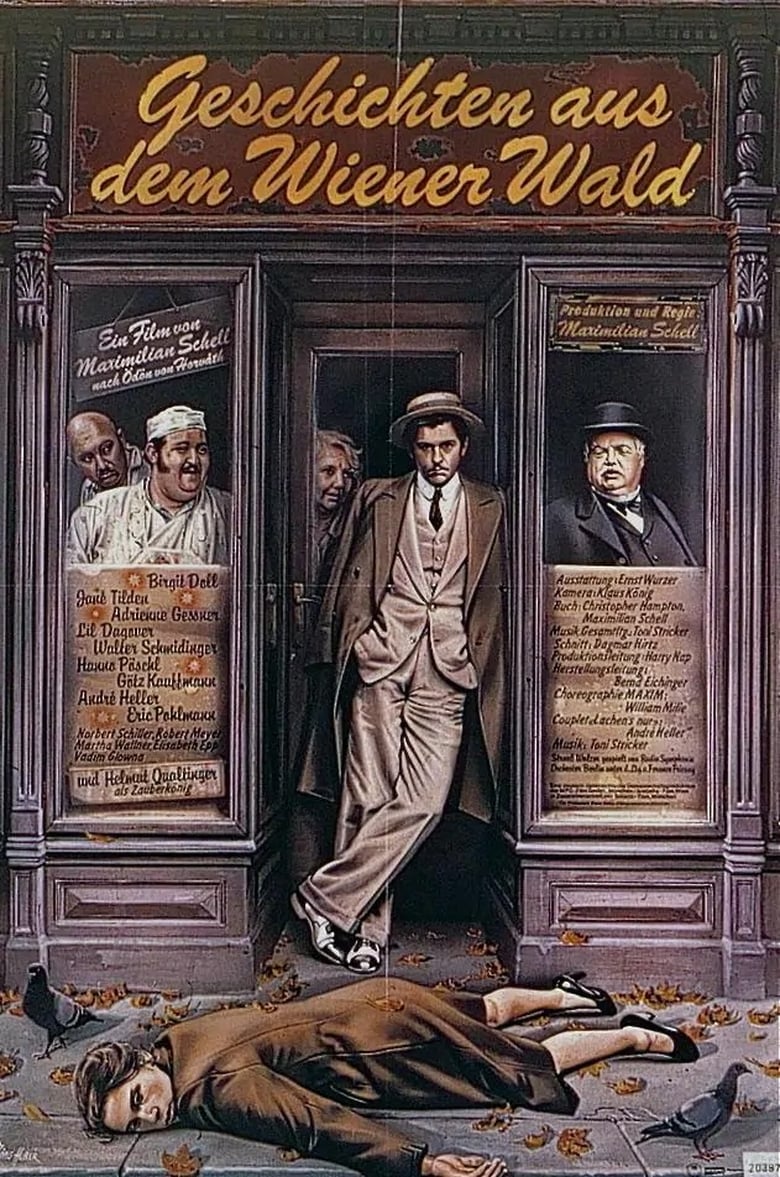
Based on a popular 1931 play, the film tells the fate of a naive young woman named Marianne, who breaks off her reluctant engagement with Oskar the butcher after falling in love with a fop named Alfred who, however, has no serious interest in returning her love. For this error, she must pay bitterly.
Overall Score
Limited
Category Breakdown
LGBTQ+ Representation
The narrative focuses on heteronormative romantic entanglements and the breakdown of traditional marriage. There is no evidence of non-cisnormative identities or queer critiques of heteronormativity.
Gender Representation
The film centers on Marianne's agency and her pursuit of autonomy over domestic ideals. Male characters often exhibit emotional ineptitude, subverting the trope of the stable masculine provider.
Racial & Ethnic Diversity
The cast is ethnically homogeneous, reflecting the specific historical and geographical setting of Vienna. The film adheres to period social constraints rather than utilizing color-blind casting.
Religious & Cultural Diversity
The film offers a sophisticated critique of bourgeois stability and Western institutions. It portrays traditional social structures as hollow, focusing instead on urban alienation and social decay.
Disability Representation
There is no significant focus on neurodivergence or physical disability. Characters are defined by psychological states and social standing rather than by any visible or invisible disabilities.
Strengths
Areas for Improvement
AI Analysis
Tales from the Vienna Woods is a psychological drama that prioritizes the deconstruction of social and romantic norms over demographic breadth. It functions as a study of a specific European milieu, which limits its intersectional scope. The film finds its strength in subverting gendered expectations and critiquing the hollow nature of bourgeois institutions. However, it remains limited by a homogeneous cast and a lack of queer or disabled perspectives. Ultimately, the work trades demographic diversity for a granular look at human frailty and the decay of traditional social cohesion.
1949

1999

1976

1973
1953

1970
1948
1962
1976
1977

1968

1979
No reviews yet. Be the first to share your thoughts on this movie!
Use the rating form above to leave a star rating and optional review.