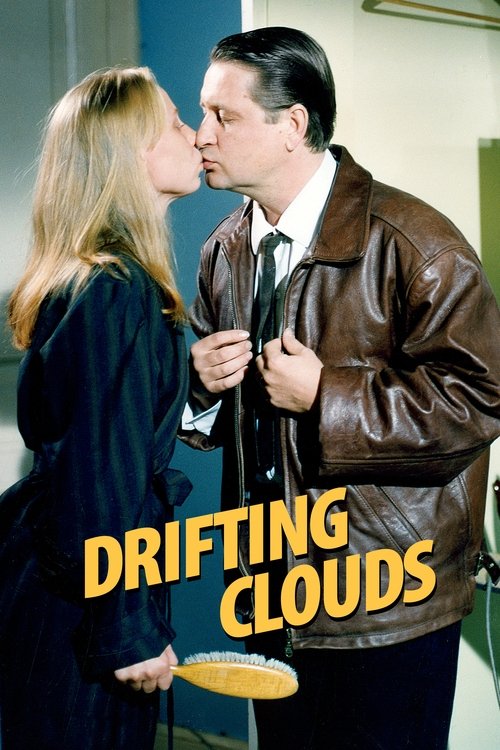
Drifting Clouds
1996
No user ratings available yet
Representation score: 6.4 out of 10
Representation Score
Good
1993
Director
Jean-Pierre Dardenne, Luc Dardenne
Runtime
85 minutes
Average Rating
No ratings yetNew Showbiz Analysis
The film focuses on social realism, emphasizing class struggle over identity-based diversity. It excels in critiquing systemic economic shifts and their impact on society. While the cast is homogenous and the relationships are traditional, the film successfully challenges conventional masculine hierarchies. It portrays the psychological vulnerability of the 'provider' role. Ultimately, the film's strength lies in its exploration of the intersection between economic utility and mental health, providing a deep insight into how systemic failures affect individuals.
Category Breakdown
There are no explicit representations of LGBTQ+ identities or stories involving LGBTQ+ individuals in the film.
The film features a male character, Fabrice, who experiences a psychological collapse, challenging the traditional provider archetype. Meanwhile, Céline's role emphasizes emotional resilience and stability.
The film is set in a predominantly white, homogeneous industrial community in 1980s Belgium. There is no significant racial or ethnic diversity among the characters.
The film critiques the dehumanizing effects of industrial capitalism and neoliberal economic policies. It highlights the impact of factory closures on individuals and communities.
The story explores mental health issues, particularly clinical depression, with psychological depth. Fabrice's struggles are presented without being oversimplified or exaggerated.
Present on Screen
Limited or Absent
Official Synopsis
Belgium, 1980. On the banks of the Meuse river, against the background of a steel-producing city, factories close down one after another and lay off workers. One of those made redundant is Fabrice, who, at thirty-five, is proud of his trade, and now feels he has become useless. His wife, Céline, tries to renew his interest in life, but Fabrice remains trapped in his depression, and then one day he disappears...
1996

1961
1999
1999
1999
1998
2001
1999
No reviews yet. Be the first to share your thoughts on this movie!
Use the rating form above to leave a star rating and optional review.