The Entertainer
1960
No user ratings available yet
Diversity score: 3.9 out of 10
1939
Director
Julien Duvivier
Runtime
99 minutes
Average Rating
No ratings yetSynopsis
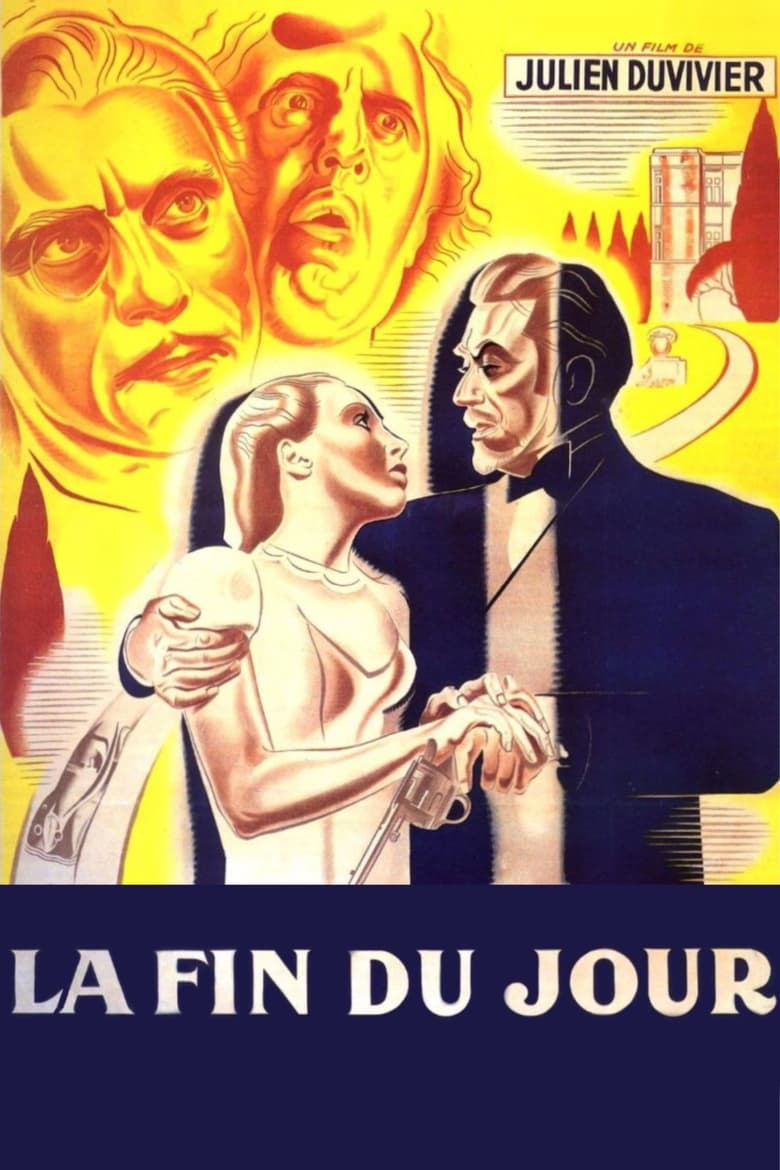
Aged penniless actors are living in a old people's home. They always talk about their past glory or failures. One day Raphael Saint-Clair comes; he has been a famous actor and had a lot of love affairs. Passions come back, and jealousies... A bitter film about aging, failure and the entertainment.
Overall Score
Fair
Category Breakdown
LGBTQ+ Representation
The narrative focuses on the romantic histories and passions of aging actors. There is no explicit evidence of non-heteronormative identities or queer subtext within the story.
Gender Representation
The film centers on passions and jealousies, often utilizing gendered emotionality. It explores professional agency through the lens of glory and failure rather than traditional domestic roles.
Racial & Ethnic Diversity
As a 1939 French production, the film reflects the era's homogeneous casting. The story appears to be a localized study of the French theatrical class without racial blending.
Religious & Cultural Diversity
The film offers a cynical critique of the entertainment industry and capitalism. It disrupts celebratory views of legacy by focusing on the systemic abandonment of aging performers.
Disability Representation
No specific physical or neurodivergent disabilities are mentioned. However, the theme of aging serves as a proxy for biological vulnerability and the loss of agency.
Strengths
Areas for Improvement
AI Analysis
Julien Duvivier’s drama offers a grim, realistic deconstruction of fame and social status. By centering on penniless actors in an old people's home, the film avoids idealized portrayals of aging and professional success. The work excels at thematic depth, using the decay of the entertainment industry to critique societal institutions. It provides a poignant look at the disillusionment and marginalization faced by those on the fringes of society. However, the film lacks modern intersectional markers. It remains a localized, Eurocentric study that lacks explicit representation of LGBTQ+ identities or racial diversity, reflecting the limitations of its 1939 cinematic context.
1960

1990
1961
1976

1928
1962
1947
1933

1966
1924
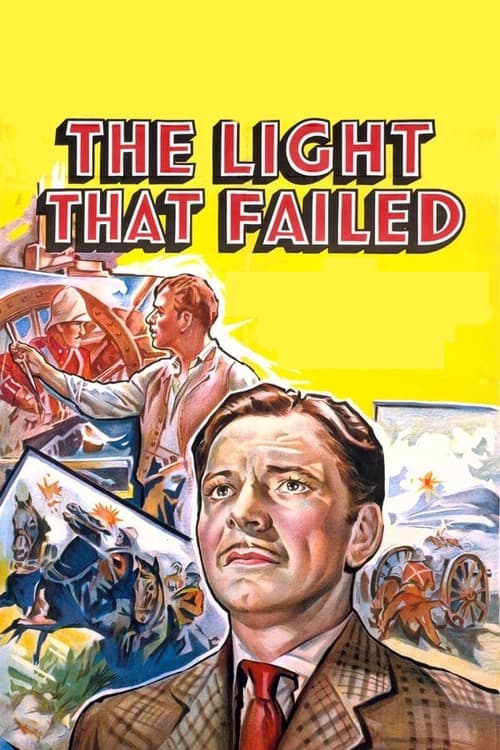
1939
1953
No reviews yet. Be the first to share your thoughts on this movie!
Use the rating form above to leave a star rating and optional review.