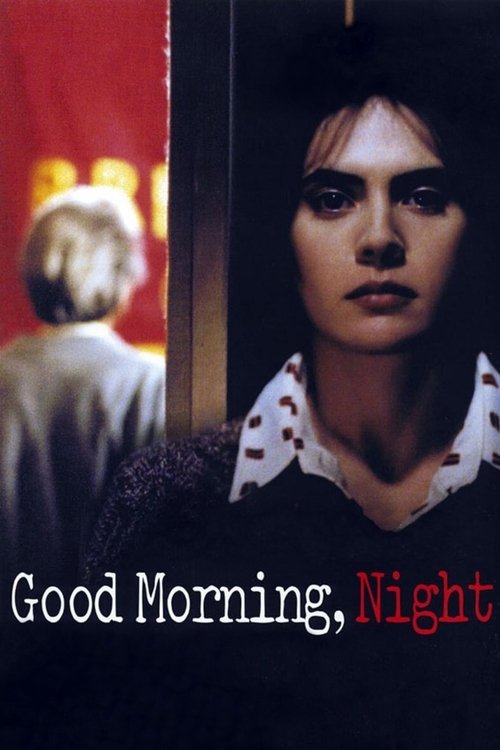
Good Morning, Night
2003
No user ratings available yet
Representation score: 7.8 out of 10
Representation Score
Good
1972
Director
Vittorio Taviani, Paolo Taviani
Runtime
90 minutes
Average Rating
No ratings yetNew Showbiz Analysis
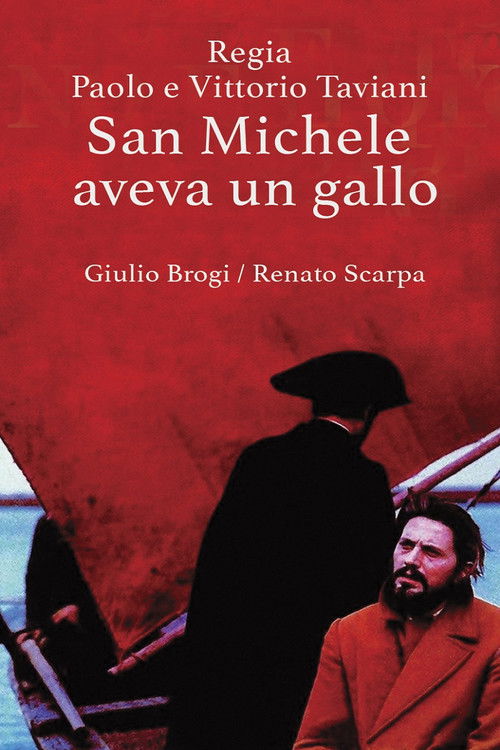
St. Michael Had a Rooster is a character study of political martyrdom and isolation. The film excels in its cultural critique, using the protagonist's imprisonment to challenge the authority of state institutions and judicial systems. However, the film lacks demographic breadth. The narrative is heavily centered on the masculine experience, offering little visibility for women or LGBTQ+ identities. The focus remains strictly on the internal world of a single male prisoner. While the film engages deeply with themes of political dissent and mental health, it remains a narrow, specialized drama. It trades broad social representation for a concentrated look at systemic oppression and individual ability to act.
Category Breakdown
The film focuses on a single male protagonist dealing with psychological and political isolation. There are no characters with LGBTQ+ identities or storylines involving non-straight relationships.
The story revolves around a male-dominated environment of imprisonment and political conflict. It does not offer much visibility for women or challenge traditional gender roles.
As a historical Italian drama, the film reflects the demographics of its time and place. While it highlights class and regional differences, specific metrics for racial diversity are not provided.
The film critiques Western institutional stability, presenting state and judicial systems as oppressive forces. It emphasizes subjective political truths over established moral codes.
The protagonist's struggle with madness suggests a portrayal of mental health issues. This focus provides a lens to examine ideological preservation through mental instability.
Present on Screen
Limited or Absent
Official Synopsis
Sentenced to life imprisonment for illegal activities, Italian International member Giulio Manieri holds on to his political ideals while struggling against madness in the loneliness of his prison cell.
2003
1971

2022

1985

2022
1984

1986
1974
No reviews yet. Be the first to share your thoughts on this movie!
Use the rating form above to leave a star rating and optional review.