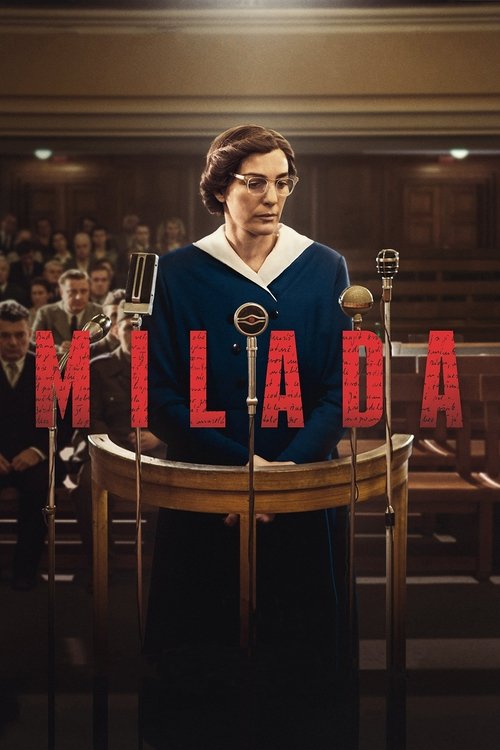
Milada
2017
No user ratings available yet
Representation score: 5.5 out of 10

Representation Score
Good
2004
Director
Márta Mészáros
Runtime
124 minutes
Average Rating
No ratings yetNew Showbiz Analysis
Márta Mészáros delivers a profound interrogation of systemic power through the lens of Hungarian history. The film succeeds by elevating women's ability to drive the story and challenging the dominance of official state records, offering a sophisticated critique of centralized authority. While the film excels in its deconstruction of political structures and its focus on female interiority, it remains limited by its narrow historical scope. It does not engage with contemporary identity-based clichés or diverse sexual orientations. Ultimately, the work provides significant progressive value by centering underrepresented historical truths, even if it does not address a wide spectrum of modern social identities.
Category Breakdown
The film focuses on the historical and psychological impact of the Soviet era in Hungary. There is no explicit evidence of queer narratives or non-straight gender identities within this political framework.
The narrative disrupts traditional hierarchies by centering on a female protagonist. This perspective serves as the primary lens for processing history, prioritizing female interiority and psychological control over male-driven political plots.
Set in mid-20th-century Hungary, the casting reflects the specific demographic realities of the era. It avoids Western-centric homogeneity by grounding the story in a non-Anglo-Saxon historical experience.
The film engages deeply with historical revisionism and subjective morality. It challenges state-mandated narratives by prioritizing individual truth and the complexities of systemic oppression under the Soviet regime.
There is no specific evidence regarding the portrayal of physical or neurodivergent disabilities. The film instead explores the metaphorical disability of psychological trauma and the burden of historical grief.
Present on Screen
Limited or Absent
Official Synopsis
One of the doyennes of Hungarian film deals with a dark period of national history: the Soviet regime in Hungary. She portrays it through the fate of the former prime minister and national hero, Imre Nagy. The script is based on the diary written by Imre Nagy, and the memories of his daughter, Erzsébet Nagy, as well as authentic documents and records.
2017
1985
2014
1989
1988
1986
1975

1994
No reviews yet. Be the first to share your thoughts on this movie!
Use the rating form above to leave a star rating and optional review.