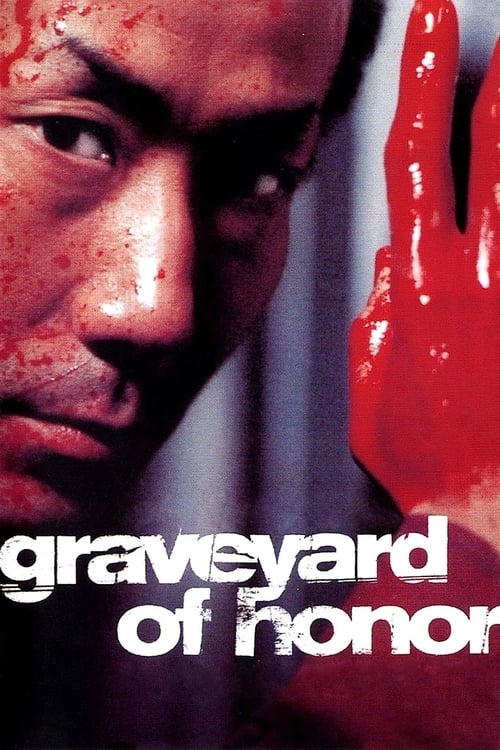
Graveyard of Honor
2002
No user ratings available yet
Representation score: 3.9 out of 10

Representation Score
Fair
1998
Director
Takashi Miike
Runtime
107 minutes
Average Rating
No ratings yetNew Showbiz Analysis
Takashi Miike’s *Blues Harp* is a nuanced character study that challenges traditional hierarchies through the lens of crime. The film prioritizes the subversion of institutional loyalty over broad demographic representation. Its strength lies in its cultural critique and exploration of moral ambiguity, contrasting artistry with organized crime. However, it remains narrow in its demographic scope, focusing on male-driven conflict and domestic social dynamics.
Category Breakdown
The film does not explicitly include LGBTQ+ identities or non-cisgender narratives. However, the relationship between Kenji and Chuji has a strong, potentially homoerotic subtext that adds depth to their bond.
The story focuses heavily on masculine brotherhood and rivalry, with female characters having limited roles. Chuji challenges traditional masculinity by choosing music over violence, showing a unique path.
The cast is primarily Japanese, reflecting local perspectives on gang culture and social stratification. The film avoids Western stereotypes by focusing on authentic domestic dynamics.
The film critiques traditional institutions like the Yakuza, presenting the protagonist's deviation from social norms as a form of personal liberation and individualistic expression.
There are no prominent depictions of physical or neurodivergent disabilities that serve as central narrative drivers in this work.
Present on Screen
Limited or Absent
Official Synopsis
Ambitious Yakuza Kenji befriends harmonica-playing bartender Chuji, who moonlights as a part-time drug-dealer for the opposing gang. Their friendship is threatened by Kenji's plans for advancement, as well as by his bodyguards' growing jealousy of Chuji.
2002

2000

1999

1973
2003

2018
2000

2019
No reviews yet. Be the first to share your thoughts on this movie!
Use the rating form above to leave a star rating and optional review.