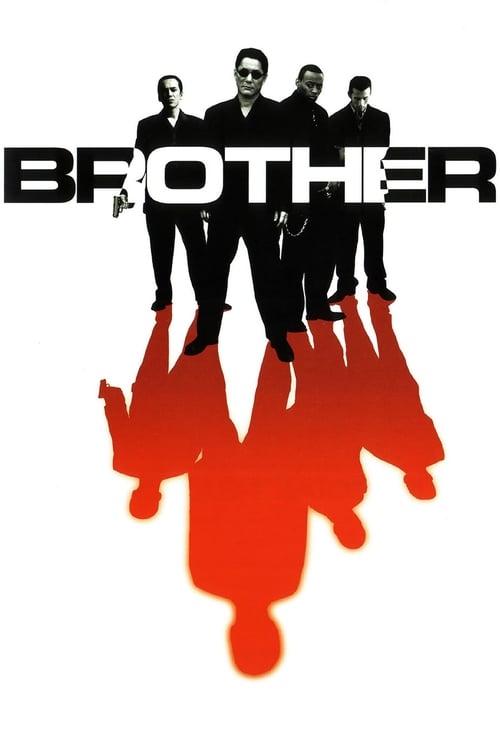
Brother
2000
No user ratings available yet
Representation score: 2.8 out of 10

Representation Score
Limited
2018
TV-MADirector
Martin Zandvliet
Runtime
120 minutes
Average Rating
No ratings yetNew Showbiz Analysis
The Outsider is a gritty historical drama that prioritizes themes of individual ability to act and systemic failure over broad social representation. While it lacks diversity in gender and LGBTQ+ identities, it finds depth through its cultural critique of institutional justice. The film's strength lies in its nuanced deconstruction of authority. By framing the protagonist's descent into violence as a reaction to a failed social contract, it challenges conventional expectations of morality and law. However, the film remains tethered to traditional social structures. The reliance on male-driven violence and domestic female roles limits its representation of gender and diverse lived experiences.
Category Breakdown
The film does not include any LGBTQ+ characters or explore non-straight relationships. The story centers around the protagonist's struggles within traditional social structures.
Gender roles adhere to traditional hierarchies, with a male protagonist driving the plot through physical dominance. Female characters are mostly confined to the domestic sphere, serving as emotional catalysts.
The narrative explores ethnic and national tensions in a post-war setting. It uses the friction between displaced identities to examine how social hierarchies are enforced during geopolitical upheaval.
The film provides a sophisticated critique of Western institutions and the legal system. It portrays the failure of formal authority, framing extrajudicial retribution as a response to a broken social contract.
There is no significant focus on neurodivergence or physical disability. Physical trauma serves only as a marker of the protagonist's violent history rather than an exploration of lived experience.
Present on Screen
Limited or Absent
Official Synopsis
A former American G.I. joins a yakuza family after his release from prison in post-World War II Osaka.
2000
1974
1999
1973
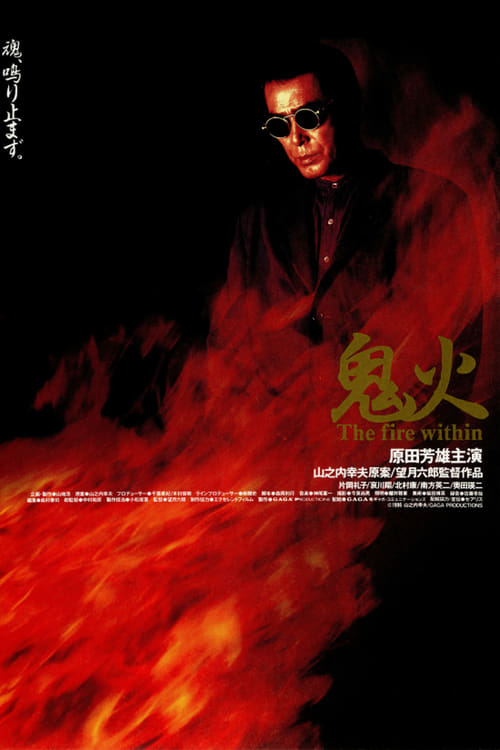
1997
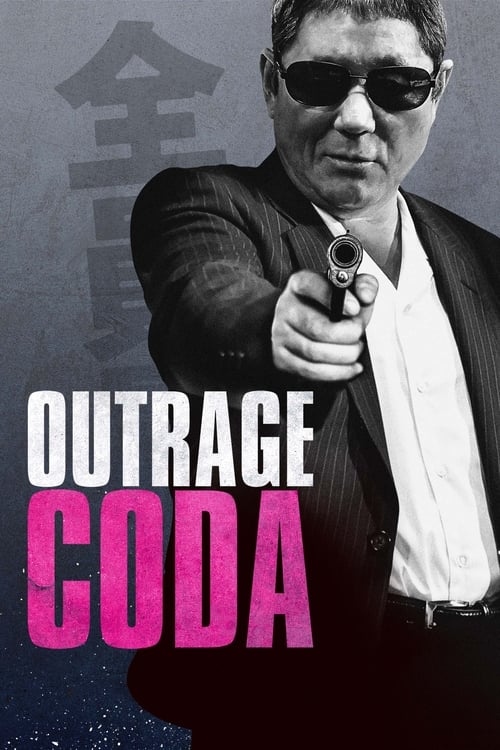
2017
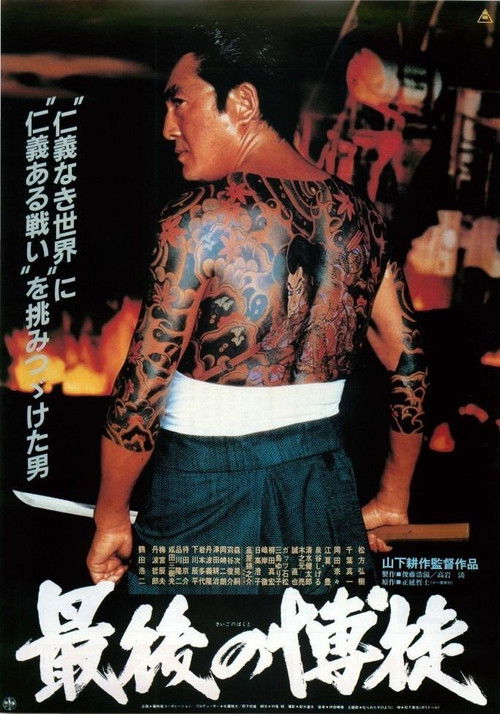
1985

1994
No reviews yet. Be the first to share your thoughts on this movie!
Use the rating form above to leave a star rating and optional review.