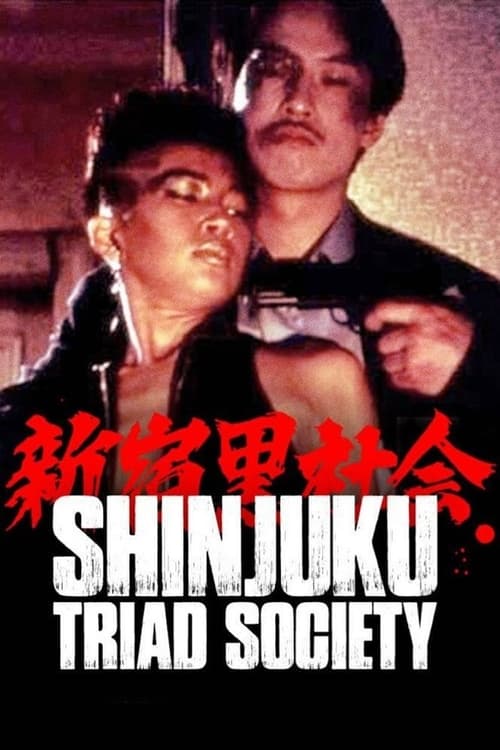
Shinjuku Triad Society
1995
No user ratings available yet
Representation score: 4.3 out of 10
Representation Score
Minimal
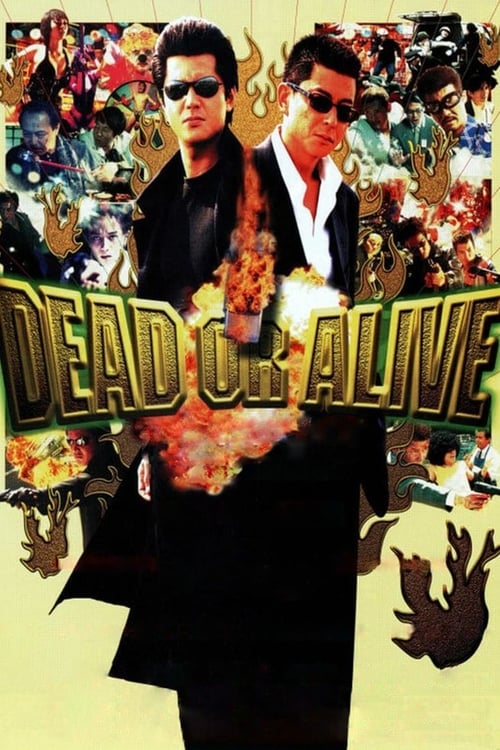
1999
UnratedDirector
Takashi Miike
Runtime
105 minutes
Average Rating
No ratings yetNew Showbiz Analysis
Dead or Alive is a hyper-stylized exploration of urban nihilism that prioritizes genre clichés over broad demographic representation. The film focuses on criminal hierarchies within the Shinjuku underworld, rejecting traditional social inclusion. While the film lacks traditional representation of gender, race, or disability, it excels in its narrative subversion. It challenges conventional morality and institutional authority, favoring a chaotic, individualistic view of the social contract. Ultimately, the work is a product of late-90s Japanese crime cinema, emphasizing established masculine archetypes while questioning the stability of systemic order.
Category Breakdown
The film focuses on straight relationships and male-driven narratives, with no representation of LGBTQ+ identities or same-sex intimacy.
Women play minor roles and have little influence on the main storyline, which centers on male-driven violence and power struggles.
The cast is predominantly Japanese, reflecting the film's setting in the Japanese underworld. There is no effort to include diverse backgrounds or characters who reflect more than one aspect of diversity.
The film effectively critiques institutional stability, portraying law enforcement as ineffective and prioritizing a postmodern perspective that questions systemic order.
There is no significant representation of characters with disabilities or neurodivergence. The focus is on physical prowess and survival.
Present on Screen
Limited or Absent
Official Synopsis
Ryūichi and his small gang of Triad vie for control of the Japanese underworld in a crime-ridden Shinjuku quarter while Detective Jojima tries to bring it down.
1995

2009

1996
2003

1994

1989
1988

1998
No reviews yet. Be the first to share your thoughts on this movie!
Use the rating form above to leave a star rating and optional review.