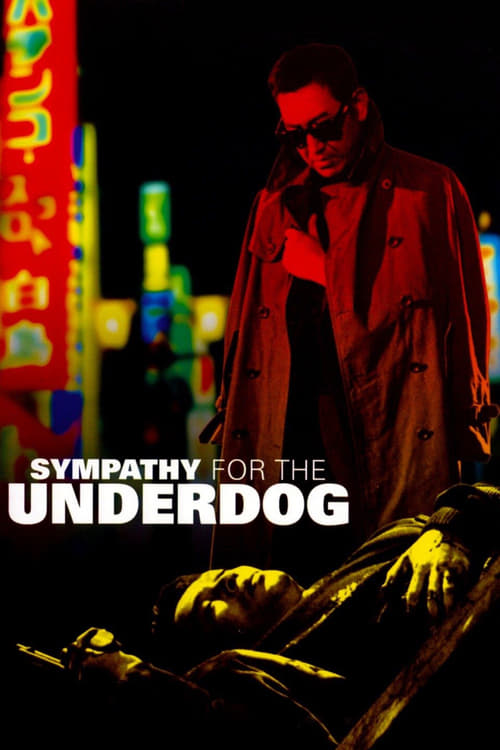
Sympathy for the Underdog
1971
No user ratings available yet
Representation score: 5.4 out of 10
Representation Score
Limited
2000
Director
Junji Sakamoto
Runtime
109 minutes
Average Rating
No ratings yetNew Showbiz Analysis
Another Battle is a gritty, realist exploration of the yakuza genre that centers on systemic violence and traditional masculine power struggles. The narrative structure focuses on male-dominated power dynamics and territorial conflicts, leaving little room for diverse identities. While the film questions the myth of the noble outlaw by highlighting moral relativism, it remains culturally homogeneous. The focus is solely on the internal socio-cultural dynamics of Japanese organized crime, without challenging racial or ethnic norms. Overall, the film serves as a genre-specific study of masculine conflict. It does not intentionally represent gender, sexuality, or disability in a meaningful or subversive manner.
Category Breakdown
The film focuses on the dynamics of male criminal brotherhood and does not include any LGBTQ+ characters or stories about non-straight relationships.
The main roles are dominated by male characters in criminal hierarchies. Although there is a scene in a nightclub where women are present, the overall narrative emphasizes traditional male leadership.
The cast is primarily made up of actors of similar backgrounds, focusing on the internal workings of Japanese organized crime. The film does not use diverse casting to challenge historical norms.
The story examines subjective morality through the tension between yakuza members and civilians. It critiques social hierarchies by showing crime as a struggle for power within a system.
There are no visible or hidden disabilities that play a central role in the character development or plot progression.
Present on Screen
Limited or Absent
Official Synopsis
Former childhood friends Kadoya Kaneo and Tochino Masatatsu cross paths again. Kaneo is now a yakuza member, while Masatatsu is a nightclub owner with a distaste for crime gangs. When a yakuza boss dies, a struggle for his position takes place between Kaneo's boss Awano and the young Nakahira. Nakahira's men try to extort money from Masatatsu, bringing him in between a yakuza battle.
1971
1973

1976
2017
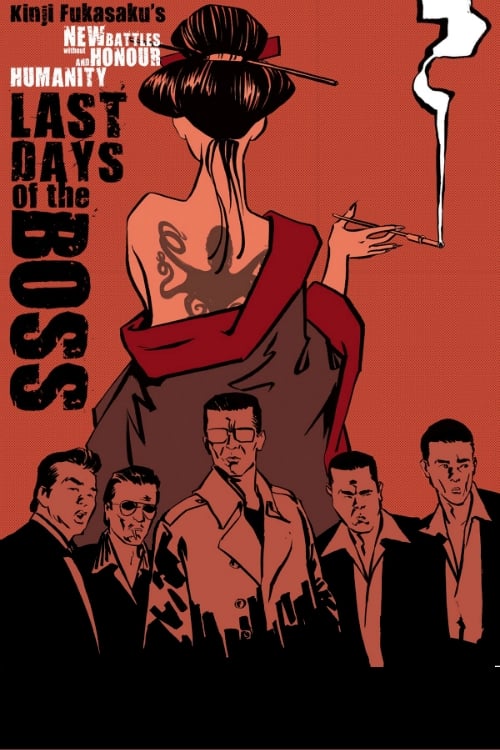
1976
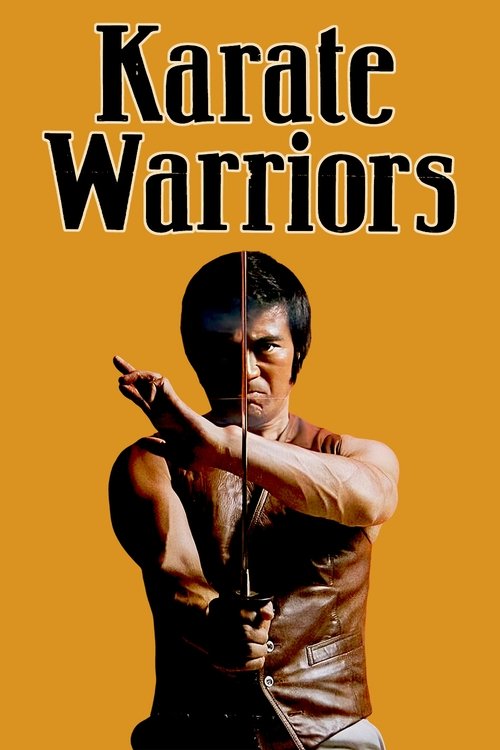
1976
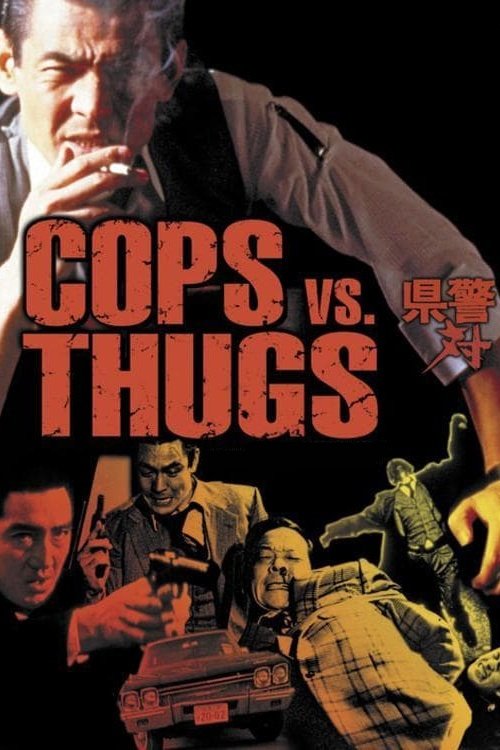
1975
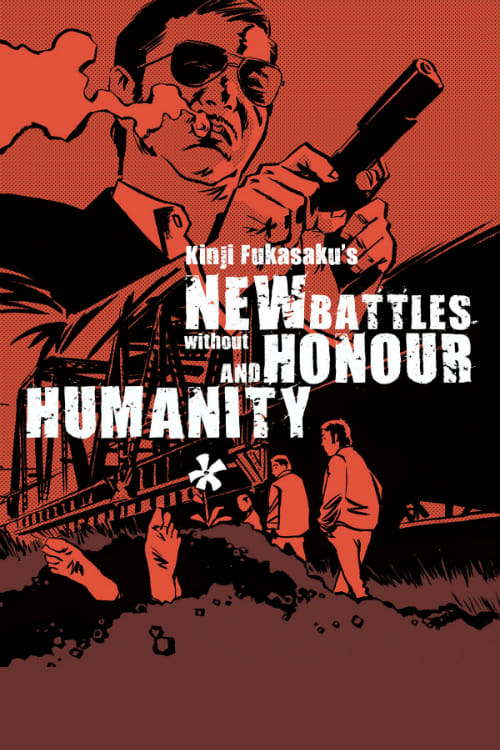
1974
No reviews yet. Be the first to share your thoughts on this movie!
Use the rating form above to leave a star rating and optional review.