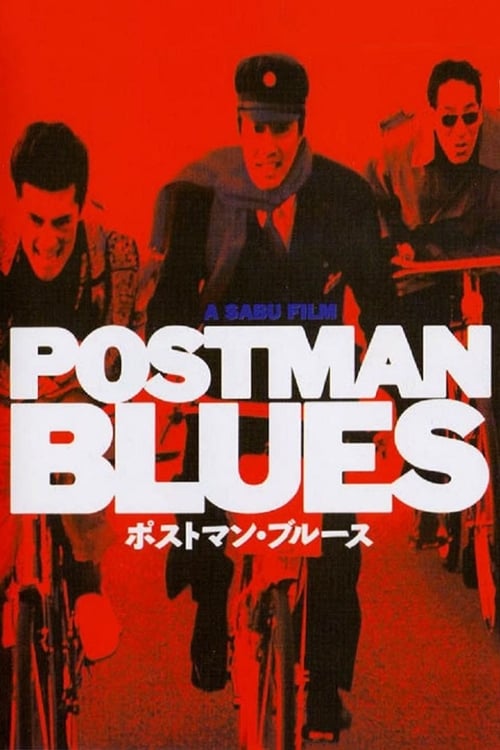
Postman Blues
1997
No user ratings available yet
Diversity score: 3.3 out of 10
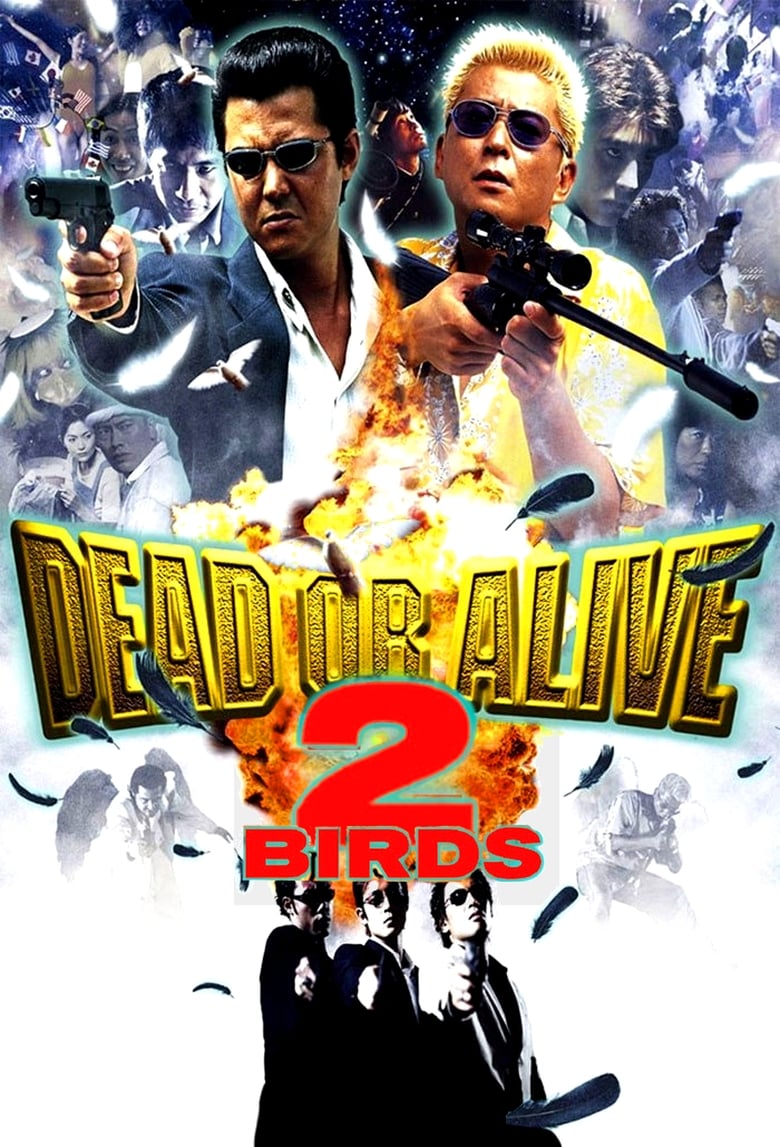
2000
Director
Takashi Miike
Runtime
97 minutes
Average Rating
No ratings yetSynopsis
Two contract killers cross paths in the middle of the same job and realize they are childhood friends. Together they take a break from killing and visit the small island they once called home. After reflecting on their past lives they decided to team up and use their talents in killing for good... much to the upset of the crime syndicates.
Overall Score
Fair
Category Breakdown
LGBTQ+ Representation
The film lacks explicit depictions of LGBTQ+ identities or non-heteronormative romantic narratives. No specific queer subtext or character arcs centered on sexual orientation are present.
Gender Representation
The film disrupts conventional hierarchies by featuring a central ensemble of female outlaws. These women possess high agency, physical prowess, and combat proficiency, subverting the trope of the passive female.
Racial & Ethnic Diversity
As a Japanese production using the American Old West as a stylistic playground, the film lacks a proactive emphasis on multi-ethnic representation. It focuses on archetypal outlaws rather than diverse intersectional identities.
Religious & Cultural Diversity
The narrative offers a profound critique of institutional authority and traditional morality. It portrays law enforcement as corrupt or irrelevant, favoring a chaotic, situational ethics over established social orders.
Disability Representation
There is no significant portrayal of characters with visible or invisible disabilities. The focus on hyper-stylized, kinetic violence prioritizes physical perfection and combat capability.
Strengths
Areas for Improvement
AI Analysis
Takashi Miike’s film excels at deconstructing genre tropes, particularly regarding gender. By positioning women as primary aggressors and skilled combatants, the film successfully challenges patriarchal structures common in frontier stories. However, the work is narrow in its social scope. It lacks representation for LGBTQ+ identities and characters with disabilities, focusing instead on the kinetic energy of the outlaw archetype. The racial landscape is also limited, functioning more as a stylistic pastiche than a diverse social study. Ultimately, the film's strength lies in its moral relativism and its subversion of Western institutional authority, even if it misses opportunities for broader intersectional representation.
1997
2007
1999
2001
1991
1997
2019
2003
No reviews yet. Be the first to share your thoughts on this movie!
Use the rating form above to leave a star rating and optional review.