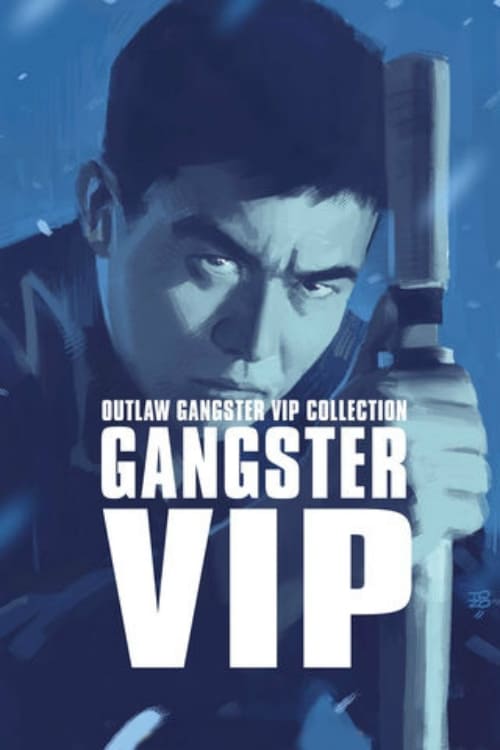
Outlaw: Gangster VIP
1968
No user ratings available yet
Representation score: 2.9 out of 10
Representation Score
Fair
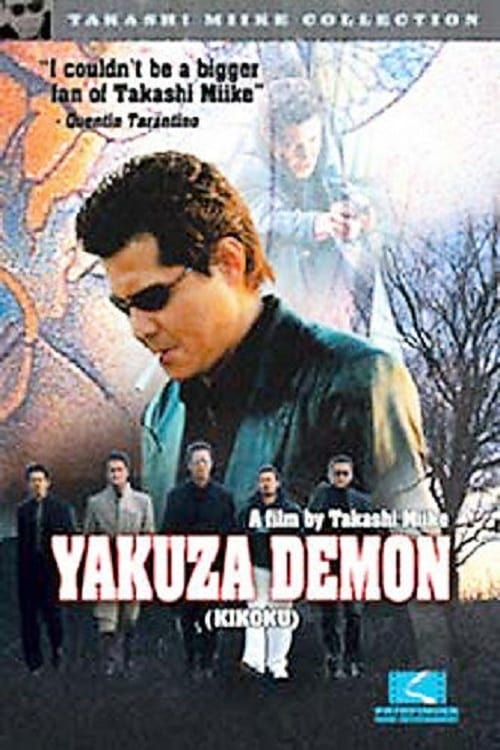
2003
Director
Takashi Miike
Runtime
100 minutes
Average Rating
No ratings yetNew Showbiz Analysis
Takashi Miike’s work often challenges social hierarchies, and this film continues that trend by prioritizing individual choices over institutional mandates. The plot explores the tension between personal loyalty and the corrupt structures of organized crime. While the film effectively questions the sanctity of traditional institutions, it remains limited by its heavy reliance on masculine archetypes. The lack of diverse gender perspectives and explicit LGBTQ+ identities keeps the social scope narrow. Ultimately, the film provides a culturally specific examination of morality. It offers a non-Western perspective on systemic conflict, even if it stays within traditional demographic boundaries.
Category Breakdown
The film shows strong emotional connections and protective relationships between male characters. However, these relationships are not clearly defined as anything other than heterosexual.
The story focuses on traditionally masculine roles and hierarchical structures within the yakuza. It emphasizes hyper-masculinity and traditional leadership, with little representation of diverse gender perspectives.
As a Japanese production, the film features an ethnically homogeneous cast. It offers a non-Western perspective on crime and loyalty, but lacks a multi-ethnic cast.
The narrative criticizes traditional loyalty to institutions by emphasizing personal ethics over strict organizational rules. It portrays the criminal 'Family' as a predatory and corrupt system.
The film does not include any characters dealing with physical, sensory, or neurodivergent conditions.
Present on Screen
Limited or Absent
Official Synopsis
Seiji and Yoshifumi are the only members of the Muto branch of the Date Family. The two respect and love their leader, Mr. Muto, like a father and the three share a firm bond. But their fate is sealed when the Family is involved in a conflict. Muto is unable to pay his share of funds for the oncoming battle but tells executives of the Family that he would fight at the front line instead. In the wish to protect Muto, Seiji has him arrested by the police. Ignoring the Family executives' mocks of "Muto escaped to prison", Seiji prepares for the battle and attacks like a demon on behalf of his boss...
1968
1999

1972
2009
2002

1995
2001
2010
No reviews yet. Be the first to share your thoughts on this movie!
Use the rating form above to leave a star rating and optional review.