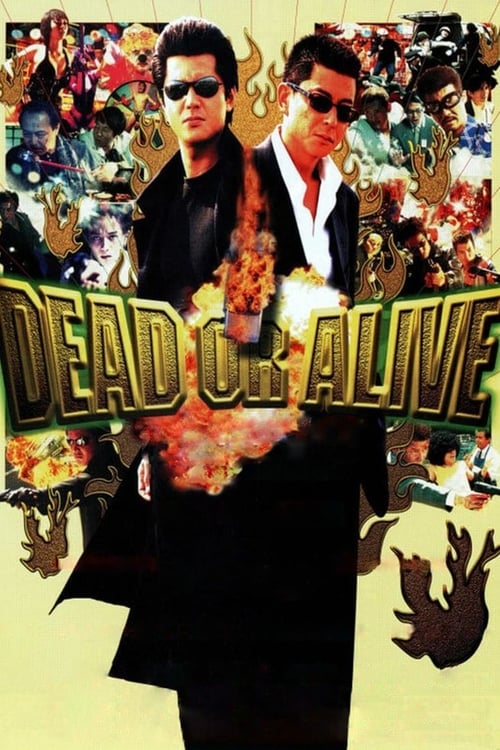
Dead or Alive
1999
No user ratings available yet
Representation score: 1.9 out of 10
Representation Score
Limited
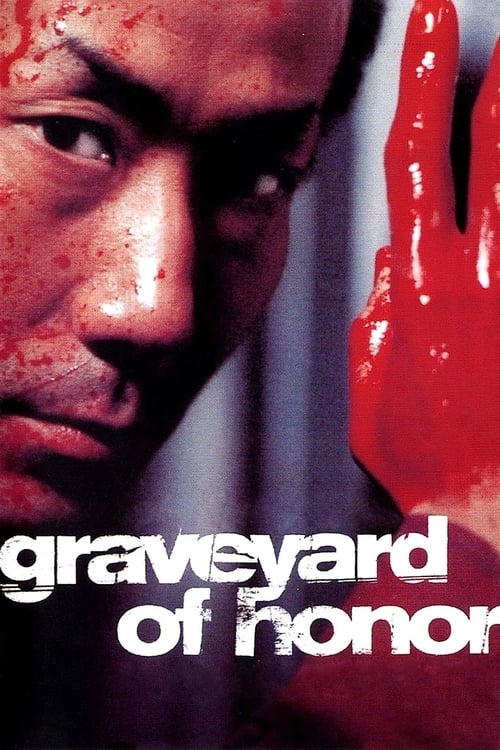
2002
Not RatedDirector
Takashi Miike
Runtime
131 minutes
Average Rating
No ratings yetNew Showbiz Analysis
Takashi Miike’s film is a specialized genre piece that emphasizes the fatalism of organized crime rather than broad demographic representation. It critiques systemic violence within closed social hierarchies through a postmodern lens. While the film lacks diverse representation in terms of gender, race, and LGBTQ+ identities, it offers a sophisticated narrative that deconstructs the 'honorable' criminal archetype. The work is deeply rooted in the specific cultural context of Japanese subculture.
Category Breakdown
The film focuses on male-driven hierarchies and does not include any LGBTQ+ characters or same-sex relationships.
The story centers around a male-dominated criminal organization where women have limited roles and influence.
The cast and setting are primarily Japanese, focusing on the cultural context of the Yakuza genre without much diversity.
The film effectively portrays moral relativism and the breakdown of traditional social structures, critiquing the stability of institutions through cycles of violence.
The film does not feature any characters with visible or invisible disabilities, nor does it address neurodivergence or chronic illness.
Present on Screen
Limited or Absent
Official Synopsis
A barkeeper saves a yakuza boss' life and thus makes his way up in the organization. However, his fear of nothing soon causes problems.
1999
2017
1975
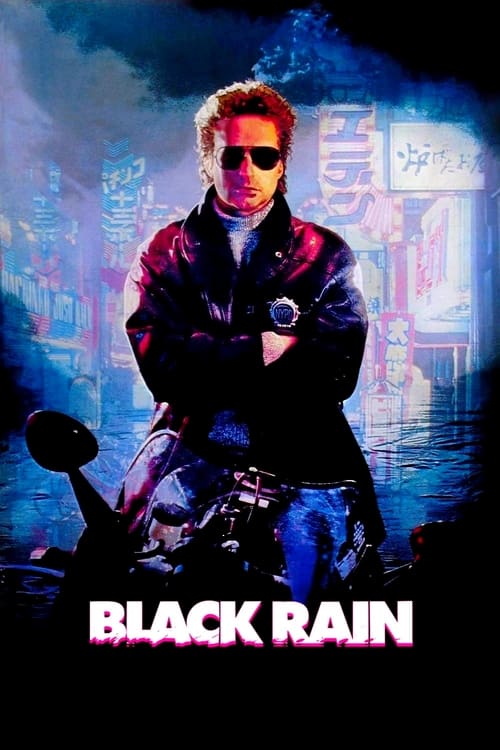
1989
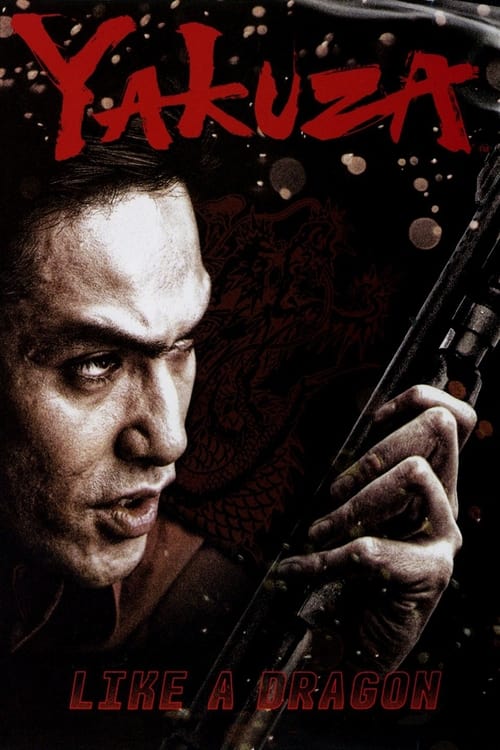
2007
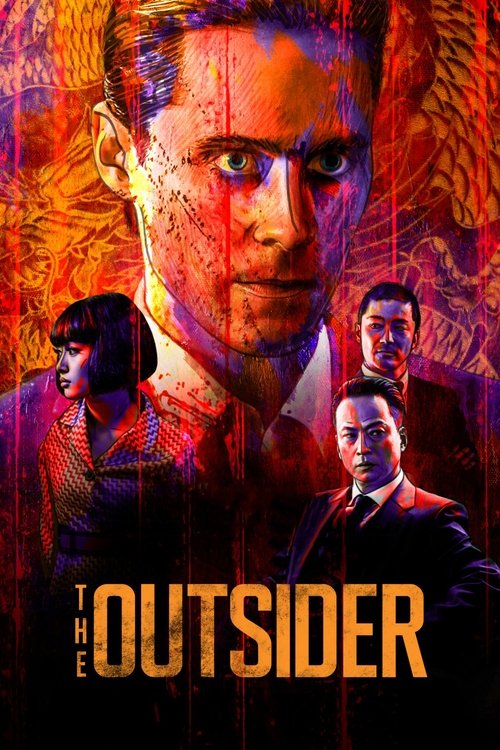
2018

1998
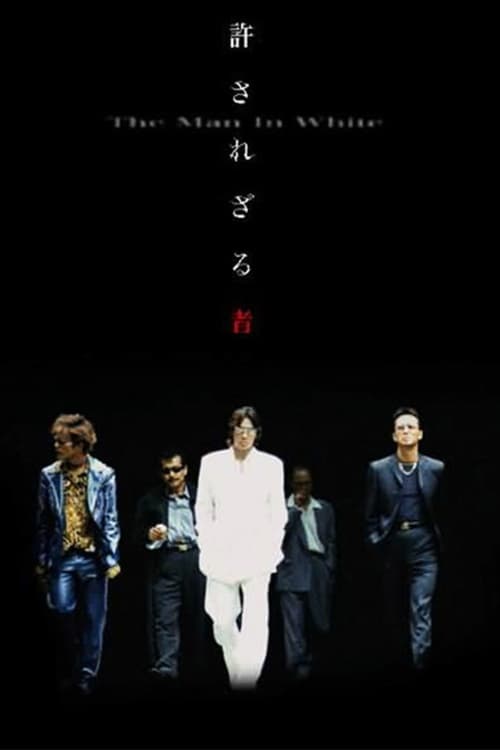
2003
No reviews yet. Be the first to share your thoughts on this movie!
Use the rating form above to leave a star rating and optional review.