
BAD FILM
2012
No user ratings available yet
Representation score: 9.0 out of 10
Representation Score
Fair
2019
TV-MADirector
Takashi Miike
Runtime
108 minutes
Average Rating
No ratings yetNew Showbiz Analysis
Takashi Miike’s direction often deconstructs genre conventions, and this film follows suit by centering characters on the fringes of legal and social structures. By focusing on a boxer and an imprisoned sex worker, the story prioritizes the ability to act of underrepresented identities navigating systemic corruption. The film succeeds in disrupting traditional hierarchies, particularly through its portrayal of women and its critique of institutional power. It avoids middle-class clichés to explore a more gritty, multi-layered urban reality. However, the lack of explicit LGBTQ+ representation and any mention of disability representation limits the scope of its inclusivity. The narrative focus remains largely within specific criminal archetypes rather than broader social diversity.
Category Breakdown
The film explores unconventional intimacy within a criminal underworld. Although there is no explicit depiction of LGBTQ+ identities, the focus on first love suggests potential subtextual exploration.
Monica holds central emotional importance despite her underrepresented status. The inclusion of a female assassin further challenges traditional roles by presenting women as actively leading participants.
Set in Tokyo, the film moves beyond homogeneous depictions of society. It highlights a complex, multi-layered urban demographic through characters like Yakuza and sex workers.
The narrative critiques established social orders by framing institutions like the police as corrupt. It centers on individuals struggling against systemic obstacles and oppressive structures.
There is no evidence regarding the portrayal of physical or neurodivergent disabilities in this work.
Present on Screen
Limited or Absent
Official Synopsis
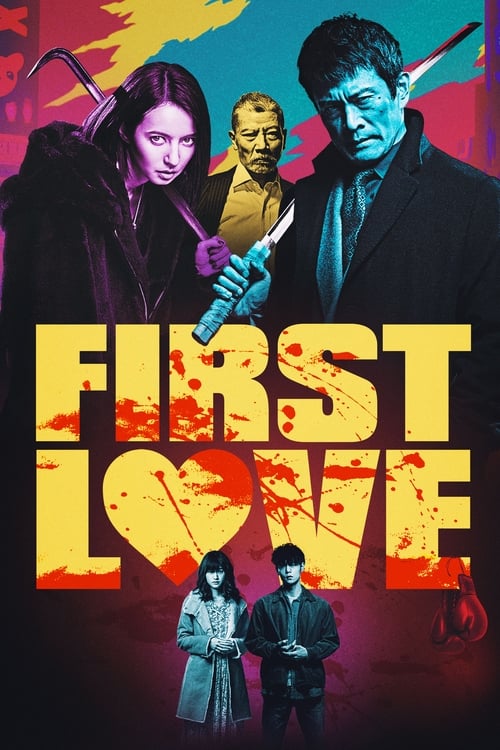
One night in Tokyo, Leo, a young boxer, meets his first love, Monica, an imprisoned sex worker. Caught up in a drug-smuggling scheme, they find themselves pursued by a corrupt cop, a yakuza, his nemesis, and a female assassin.
2012
1999
1997

1964
2000
2016
1987
1998
No reviews yet. Be the first to share your thoughts on this movie!
Use the rating form above to leave a star rating and optional review.