
Anna Christie
1930
No user ratings available yet
Diversity score: 2.3 out of 10
1941
NRDirector
Mervyn LeRoy
Runtime
99 minutes
Average Rating
No ratings yetSynopsis
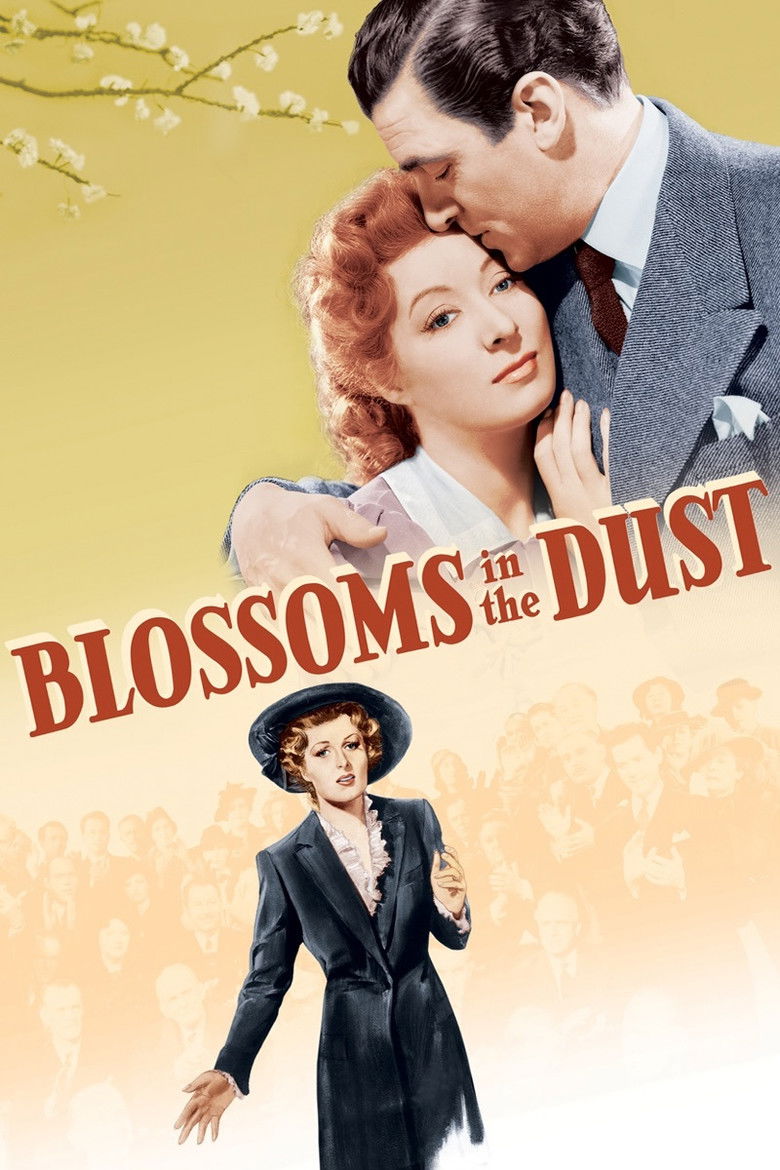
Edna marries Texan Sam Gladney, operator of a wheat mill. They have a son, who is killed when very young. Edna discovers by chance how the law treats children who are without parents and decides to do something about it. She opens a home for foundlings and orphans and begins to place children in good homes, despite the opposition of "conservative" citizens, who would condemn illegitimate children for being born out of wedlock. Eventually Edna leads a fight in the Texas legislature to remove the stigma of illegitimacy from birth records in that state, while continuing to be an advocate for homeless children.
Overall Score
Limited
Category Breakdown
LGBTQ+ Representation
The film adheres to a strictly heteronormative framework. There are no depictions of non-cisnormative identities or same-sex intimacy, focusing entirely on the marital bond.
Gender Representation
Edna evolves from a sheltered socialite into a proactive agent of social change. While she demonstrates significant agency, her influence remains centered on motherhood and domestic care.
Racial & Ethnic Diversity
The cast is largely homogeneous, reflecting the demographic norms of the early 20th-century American West. The narrative focuses almost exclusively on a white, Western social class.
Religious & Cultural Diversity
The story critiques moral rigidity by fighting the stigma of illegitimacy. However, it seeks reform through existing legislative channels rather than radical systemic deconstruction.
Disability Representation
There are no visible or invisible disabilities portrayed. The narrative focus remains on socioeconomic and legal status rather than physical or mental health.
Strengths
Areas for Improvement
AI Analysis
Blossoms in the Dust is a period melodrama centered on individual moral agency. It succeeds in portraying a female protagonist who transitions from passivity to legislative advocacy, providing a moderate level of gender agency. However, the film is limited by the social norms of its era. It lacks racial diversity and offers no representation for LGBTQ+ identities or individuals with disabilities. Ultimately, while the film challenges social stigmas regarding illegitimacy, it does so by working within established Western legal frameworks rather than subverting them.
1930

1923
1949
1925
1955
1934
1938
1940
1923
1940

1923

1930
No reviews yet. Be the first to share your thoughts on this movie!
Use the rating form above to leave a star rating and optional review.