
Primrose Path
1940
No user ratings available yet
Representation score: 2.8 out of 10

Representation Score
Limited
1930
PassedDirector
Clarence Brown
Runtime
89 minutes
Average Rating
No ratings yetNew Showbiz Analysis
Anna Christie is a somber character study that delves into the psychological burdens of social exclusion. It centers a woman's internal struggle against the stigma of her past, offering a nuanced look at her ability to drive the story. However, the film is limited by its period-specific homogeneity. The lack of racial diversity and the absence of any LGBTQ+ representation result in a narrow social scope. Additionally, the narrative remains tethered to traditional romantic and religious frameworks. Ultimately, while the film provides a meaningful exploration of class and moral judgment, it lacks the multi-layered complexity and structural diversity found in more progressive works.
Category Breakdown
The film follows strict conventions that assume everyone is straight or cisgender. There is no representation of LGBTQ+ identities or same-sex relationships.
Anna plays a significant role in driving the story, but her ability to act independently is tied to her relationships with men. She navigates a struggle for autonomy against social judgment.
The cast is predominantly white, reflecting the maritime setting and production norms of the 1930s. There is no significant presence of racial minorities.
The story critiques social rigidity through themes of sin and redemption. However, religious undertones regarding salvation prevent a more secular or progressive rating.
No visible or invisible disabilities are portrayed within the primary character arcs.
Present on Screen
Limited or Absent
Official Synopsis
Old sailor Chris Christofferson eagerly awaits the arrival of his grown daughter Anna, whom he sent at five years old to live with relatives in Minnesota. He has not seen her since, but believes her to be a decent and respectably employed young woman. When Anna arrives, however, it is clear that she has lived a hard life in the dregs of society, and that much of spirit has been extinguished. She falls in love with a young sailor rescued at sea by her father, but dreads to reveal to him the truth of her past. Both father and young man are deluded about her background, yet Anna cannot quite bring herself to allow them to remain deluded.
1940

1920

1928

1928

1923
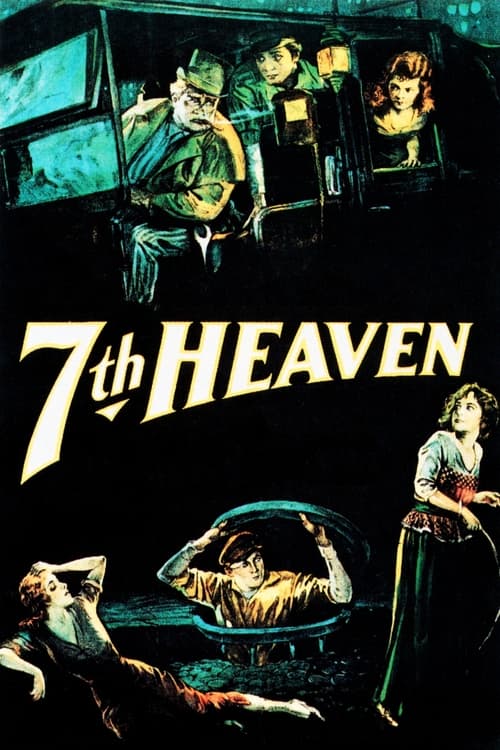
1927

1931

1930
No reviews yet. Be the first to share your thoughts on this movie!
Use the rating form above to leave a star rating and optional review.