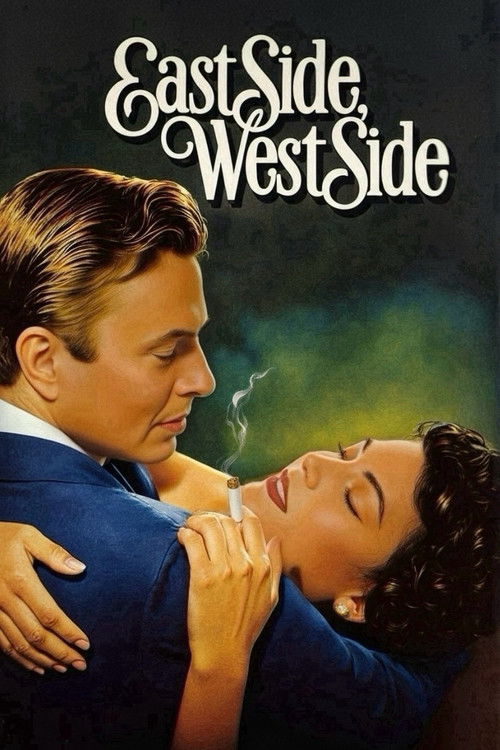
East Side, West Side
1949
No user ratings available yet
Representation score: 1.4 out of 10
Representation Score
Limited
1949
ApprovedDirector
Michael Curtiz
Runtime
94 minutes
Average Rating
No ratings yetNew Showbiz Analysis
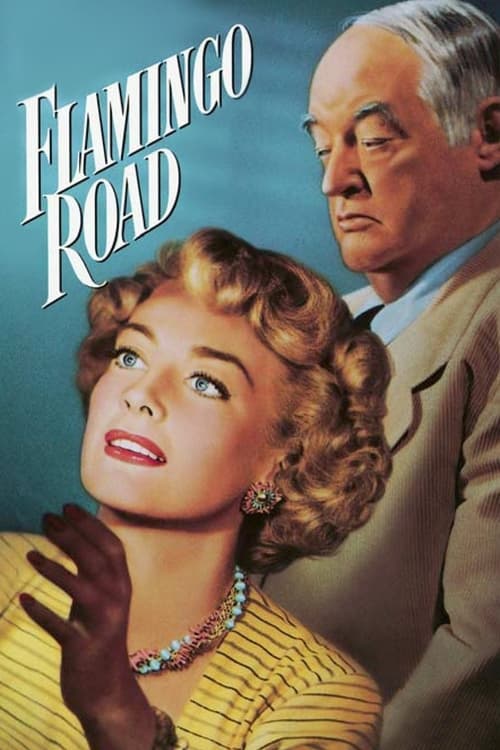
Flamingo Road is a genre-driven crime drama that finds its most progressive elements in its portrayal of gender dynamics. The central female lead challenges the era's depiction of women by taking an active role in high-stakes environments. However, the film remains limited by its demographic homogeneity, typical of mid-century studio productions. It lacks racial, ethnic, and LGBTQ+ representation, focusing instead on the socioeconomic stratification of a white-dominated society. While the film offers a critique of political corruption, it does so through the lens of individual greed rather than addressing broader systemic issues.
Category Breakdown
The film does not depict any non-straight relationships or same-sex intimacy. It focuses on criminal underworld conflicts and social climbing.
Ida Lupino's character challenges traditional gender roles by actively navigating male-dominated political landscapes. She plays a significant role in driving the story rather than being passive.
The cast and settings are predominantly white, reflecting the homogeneous society of 1949. The film lacks significant racial or ethnic diversity.
The film critiques political corruption and the pursuit of wealth, exploring the moral decay within established power structures and small-town social dynamics.
The film does not include any characters with visible or invisible disabilities.
Present on Screen
Limited or Absent
Official Synopsis
A stranded carnival dancer takes on a corrupt political boss when she marries into small-town society.
1949
1952

1946
1962
1942
1942

1937
1932
No reviews yet. Be the first to share your thoughts on this movie!
Use the rating form above to leave a star rating and optional review.