
Anna Christie
1930
No user ratings available yet
Representation score: 2.1 out of 10
Representation Score
Limited
1923
Not RatedDirector
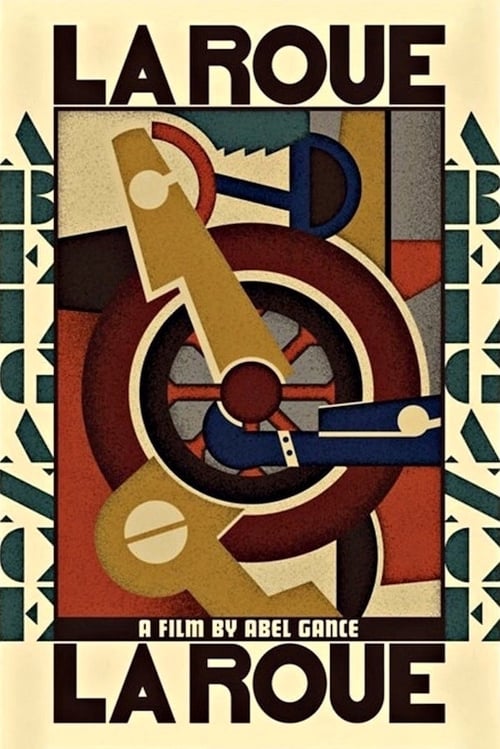
Abel Gance
Runtime
418 minutes
Average Rating
No ratings yetNew Showbiz Analysis
Abel Gance’s masterpiece is a study of human volatility and the crushing weight of modernity. It prioritizes psychological depth and rhythmic, sensory experience over social representation, using innovative montage to disrupt traditional storytelling structures. The film makes notable strides in gendered ability to act, presenting a female protagonist whose intense passions dictate the plot's trajectory. This moves the character away from the era's standard passive domestic clichés. However, the work remains a product of its historical milieu. The lack of multi-layered diversity and the reliance on a homogeneous European cast result in a narrow social scope.
Category Breakdown
The story revolves around a tragic love triangle within a straight-centered framework. There are no queer subtexts or non-cisgender identities represented in the character arcs.
Norma stands out by driving the film's tragic momentum through her own choices, challenging traditional gender roles of the time. Her intense passions and actions move the narrative forward.
The cast and setting are ethnically homogeneous, reflecting the social constraints of 1920s France. There is no evidence of diverse ethnic representation.
The narrative explores moral relativism and fatalism rather than prescriptive morality. It focuses on the psychological impact of modernity rather than systemic critiques.
No visible or invisible disabilities are portrayed as central to the characters or the narrative development.
Present on Screen
Limited or Absent
Official Synopsis
Sisif, a railwayman, saves a young girl named Norma orphaned by a train crash and raises her as his own daughter alongside his son, Elie. As she becomes an adult, Sisif grapples with whether to tell Norma the truth about her parentage.
1930
1920

1943
1957

1952

1921
1925

1929
No reviews yet. Be the first to share your thoughts on this movie!
Use the rating form above to leave a star rating and optional review.