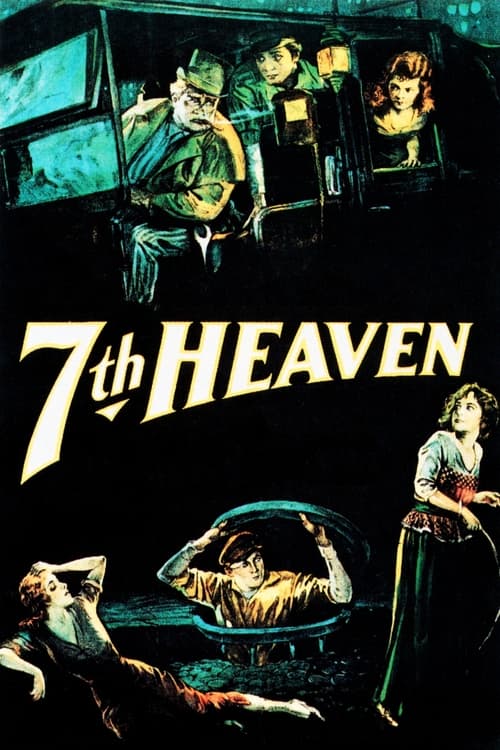
7th Heaven
1927
No user ratings available yet
Representation score: 2.6 out of 10

Representation Score
Limited
1923
Not RatedDirector
Jean Epstein
Runtime
87 minutes
Average Rating
No ratings yetNew Showbiz Analysis
Jean Epstein’s work stands as a cornerstone of French Impressionism, prioritizing psychological depth over straightforward storytelling. Through the use of 'photogénie,' the film shifts the focus from external social hierarchies to the subjective essence of its characters. Though the film lacks modern markers of diversity, it elevates the female protagonist from a passive figure to an active subject of emotional experience. This technical sophistication offers a subtle departure from the rigid moralism typical of early 20th-century cinema. Ultimately, the film reflects the specific historical and geographic context of 1920s rural France, where demographic uniformity is evident and there is no representation of LGBTQ+ identities.
Category Breakdown
The film adheres to traditional romantic structures focused on heterosexual relationships. There is no representation of LGBTQ+ identities or narratives that question heterosexuality.
The film breaks away from silent-era clichés by focusing on the protagonist's internal psychological state. Despite following a traditional rescue storyline, the film's Impressionist style gives the female lead significant emotional depth.
Set in a rural French village, the film mirrors the demographic uniformity of the time. There is no evidence of non-white representation within this specific European peasant context.
The film avoids heavy religious messages by emphasizing secular, psychological realism. It centers on the individual's internal struggle against societal structures rather than strict institutional morality.
The protagonist's experiences of abuse serve as catalysts for her emotional journey. There is no evidence of characters with disabilities being used as plot devices or subjects of mockery.
Present on Screen
Limited or Absent
Official Synopsis
The good guys win out in this sweet tale about a young orphan who is abused for much of her life but who eventually finds happiness when she marries an honest man who extricates her from her situation.
1927
1920
1942
1928
1926

1920
1931
1938
No reviews yet. Be the first to share your thoughts on this movie!
Use the rating form above to leave a star rating and optional review.