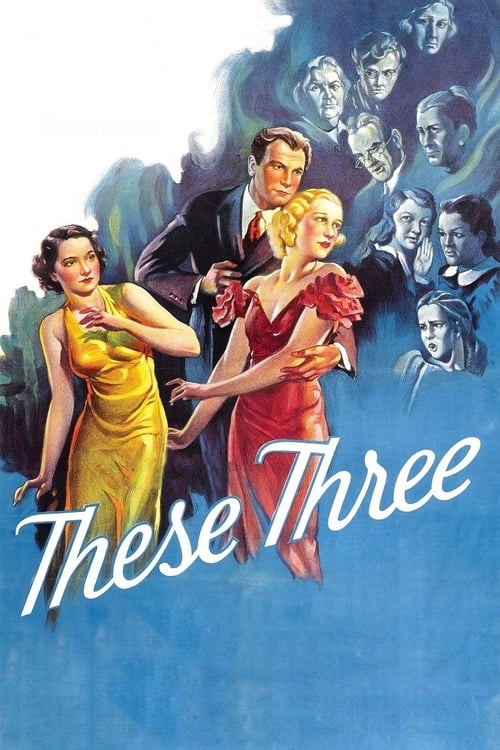
These Three
1936
No user ratings available yet
Diversity score: 2.3 out of 10
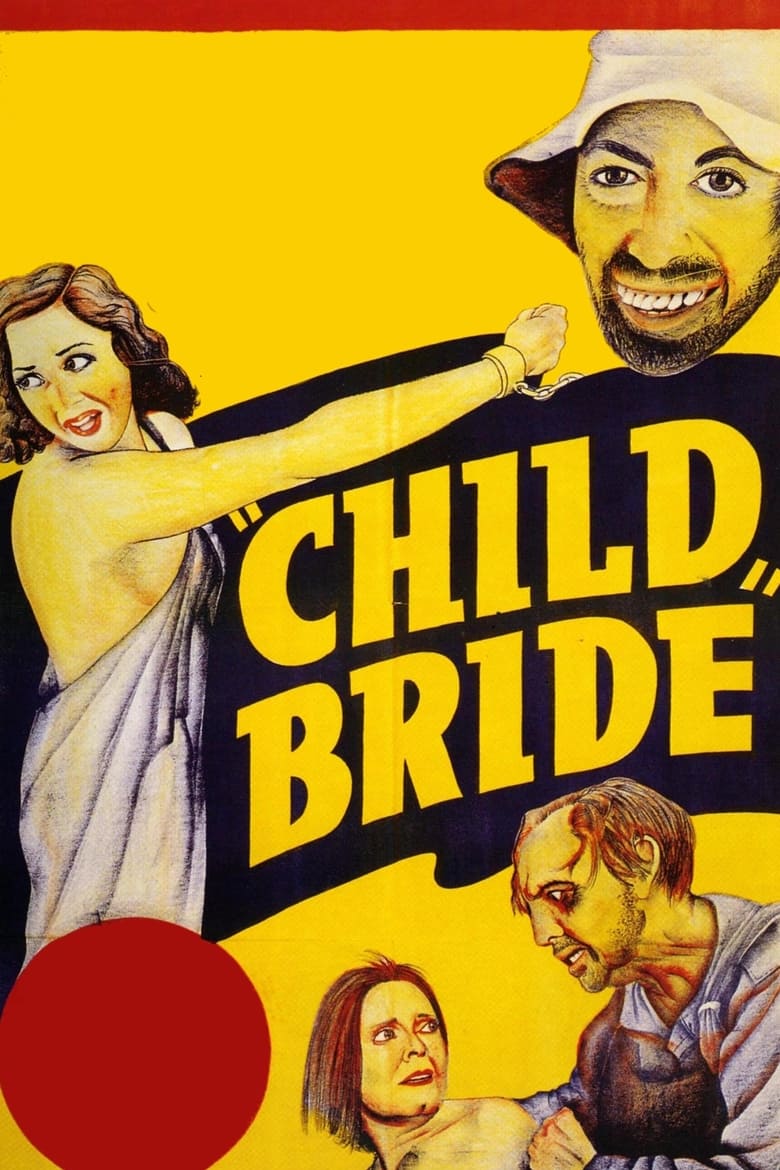
1938
Not RatedDirector
Harry Revier
Runtime
62 minutes
Average Rating
No ratings yetSynopsis
Jennie is a twelve-year-old girl living with her parents in extremely rural mountain country. Her schoolteacher, Miss Carol, though a mountain girl herself, has gone off to be educated and returned in hopes of stopping the tradition of child marriage which permeates the culture. Jennie's father Ira is a good man who tries to protect Miss Carol from the men who threaten her if she doesn't call off her crusade. One of these men, Jake Bolby, has his eye on little Jennie and plots to make her his bride.
Overall Score
Limited
Category Breakdown
LGBTQ+ Representation
The film lacks any evidence of queer narratives or non-cisnormative identities. The plot centers entirely on traditional matrimonial structures and predatory male behavior.
Gender Representation
Miss Carol provides a rare spark of agency by challenging local traditions through education. However, the story remains anchored in traditional power dynamics between male protectors and predators.
Racial & Ethnic Diversity
The setting depicts a homogeneous mountain community with no indication of racial diversity. The narrative focuses on class and local customs rather than ethnic intersectionality.
Religious & Cultural Diversity
The film critiques specific cultural norms regarding child marriage through Miss Carol's crusade. It explores internal social ethics within a localized mountain community.
Disability Representation
There is no information available regarding the representation of characters with disabilities in this production.
Strengths
Areas for Improvement
AI Analysis
Child Bride functions as a standard 1930s social drama that attempts to tackle a specific moral crisis. While it introduces a female character fighting against harmful traditions, the film remains deeply rooted in the era's conventional social hierarchies. The narrative's focus is narrow, centering on the tension between progressive education and localized mountain customs. This focus limits the film's scope, resulting in a lack of racial and queer diversity. Ultimately, the film's attempt at social critique is offset by its demographic homogeneity and traditional gendered power structures.
1936
1940
1927
1937

1930
1984
1987
1988
1941
1923
1940
1920
No reviews yet. Be the first to share your thoughts on this movie!
Use the rating form above to leave a star rating and optional review.