Way Down East
1920
No user ratings available yet
Representation score: 0.2 out of 10
Representation Score
Limited
1940
SDirector
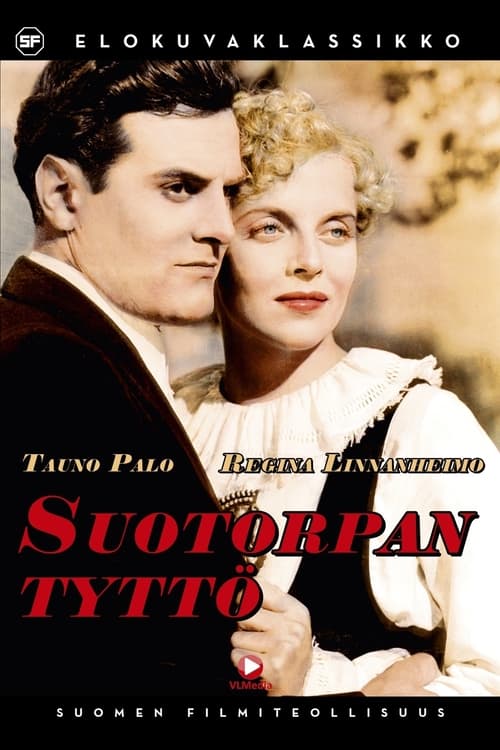
T.J. Särkkä
Runtime
72 minutes
Average Rating
No ratings yetNew Showbiz Analysis
Suotorpan tyttö is a period drama deeply rooted in the social constraints of 1940s Finland. While it offers a platform for female protagonists to navigate hardship and social exclusion, the narrative remains tied to the era's traditional dramatic conventions. The film explores themes of reputation, class, and illegitimacy, providing insights into the struggles of characters like Helga. However, it does not provide a comprehensive critique of the social hierarchies in place. Consequently, the lack of diverse racial or LGBTQ+ identities results in a limited demographic scope.
Category Breakdown
The film does not include any LGBTQ+ characters or stories that question the assumption that everyone is straight. The romantic conflicts follow traditional patterns typical of the time.
The story focuses on female experiences such as motherhood and social status. However, the power dynamics are still based on traditional class-based gender roles.
The production reflects the homogeneous demographics of 1940s Finland. There is no indication of non-white actors or diverse ethnic representation.
The plot delves into social stigma and illegitimacy within a village setting. It operates within a traditional framework of personal morality and social standing.
There is no mention of characters with visible or invisible disabilities. The narrative does not address conditions like chronic illness or neurodivergence.
Present on Screen
Limited or Absent
Official Synopsis
Helga Suotorppa has given birth to an illegitimate child while working as a maid. Inkeri, the kind-hearted mistress of the Lehtola house, offers the woman, who has a bad reputation in the village community, a place to work, which the desperate Helga gratefully accepts. She supports Mauria, who is in trouble after being abandoned by his rich and proud fiancée Hildur.
1920

1953
1946
1946
1953

1930
1930

1920
No reviews yet. Be the first to share your thoughts on this movie!
Use the rating form above to leave a star rating and optional review.