The Flower Girl
1972
No user ratings available yet
Representation score: 5.9 out of 10
Representation Score
Fair
1985
Director
Hah Myung-joong
Runtime
90 minutes
Average Rating
No ratings yetNew Showbiz Analysis
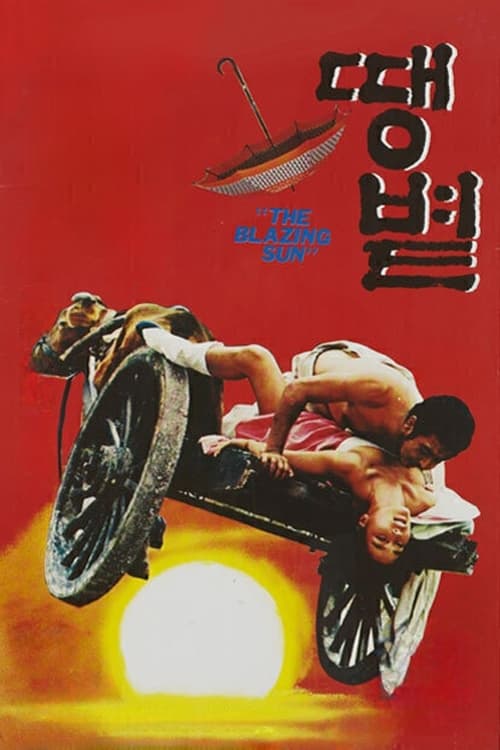
The Blazing Sun is a period drama that examines the erosion of human dignity under colonial and economic pressures. It avoids idealized historical narratives by focusing on the harsh realities of systemic struggle. While the film offers a critique of domestic patriarchy and colonial oppression, it lacks representation in several modern categories. The female protagonist's role is significantly constrained by her circumstances. Ultimately, the film's strength lies in its unflinching look at how socio-economic hardship and foreign occupation dismantle traditional social structures and family stability.
Category Breakdown
The film does not include any characters or stories centered around LGBTQ+ identities. The mention of a prostitute highlights transactional relationships rather than exploring queer identity.
Sun-hie is portrayed within a rigidly oppressive gender structure. She experiences domestic violence and instability, functioning mainly as a recipient of trauma rather than a driver of the plot.
Set during Japanese colonial rule, the film focuses on the experience of a colonized people. It explores ethnic identity through the struggle for survival under foreign domination.
The narrative critiques the decline of social institutions by depicting the traditional family as dysfunctional. It emphasizes systemic issues rather than upholding patriotic ideals.
There are no characters with visible or invisible disabilities featured in the narrative.
Present on Screen
Limited or Absent
Official Synopsis
Chun-ho and his wife Sun-hie wander Korea in search of a way to make a living under Japanese colonial occupation. They settle in a mining village where Sun-hie is forced to put up with her husband's gambling and beatings. Eventually he forces her to go to a loanshark so he can get enough money to run away with a prostitute.
1972

1956
1939
2001
2005
2015
1946

1986
No reviews yet. Be the first to share your thoughts on this movie!
Use the rating form above to leave a star rating and optional review.