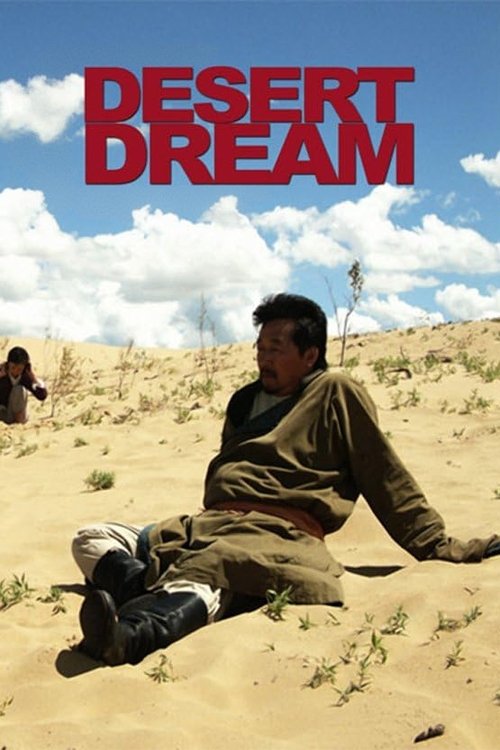
Desert Dream
2007
No user ratings available yet
Representation score: 7.2 out of 10
Representation Score
Fair
2005
Director
Zhang Lu
Runtime
109 minutes
Average Rating
No ratings yetNew Showbiz Analysis
Zhang Lu’s work is a study in ethnographic realism, prioritizing the lived experiences of those on the fringes of society. The film finds its greatest strength in its refusal to present a monolithic Chinese identity, instead elevating the specific, often overlooked Korean-Chinese experience. While the film provides a deep dive into ethnic and cultural displacement, it remains narrow in its social scope. The narrative is deeply rooted in traditional familial and economic structures, which limits the presence of diverse identities regarding gender roles and sexual orientation. Ultimately, the film is a specialized portrait of a specific minority group. It trades broad social representation for a concentrated, authentic look at the moral and economic complexities of life on the margins of a modernizing nation.
Category Breakdown
The film focuses on the domestic and economic struggles of an ethnic minority community. There is no presence of LGBTQ+ identities or same-sex intimacy.
The narrative highlights the heavy burden of domestic and economic labor placed upon women. Cui’s struggle provides a nuanced look at women's ability to drive the story within a restrictive patriarchal framework.
The film excels by centering the Korean-Chinese minority living within China. It disrupts expectations of a homogeneous Han Chinese portrayal by focusing on cultural displacement.
The story offers a subtle critique of modernization and market economies encroaching on traditional life. It presents the friction between rural traditions and modern economic pressures.
There is no prominent depiction of visible or invisible disabilities. Character struggles are defined by socioeconomic status and ethnic identity rather than physical or neurodivergent conditions.
Present on Screen
Limited or Absent
Official Synopsis
Cui, a young Korean mother living on the outskirts of Chinese society, has a husband in jail and a son to support. She barely makes a living selling kimchi to workers along the side of a bleak, industrial road. A love affair with a fellow Chinese-Korean leads to tragic consequences as Cui struggles against the vulnerability of her position.
2007
1994
2010
2001
2008

1995
2003
1985
No reviews yet. Be the first to share your thoughts on this movie!
Use the rating form above to leave a star rating and optional review.