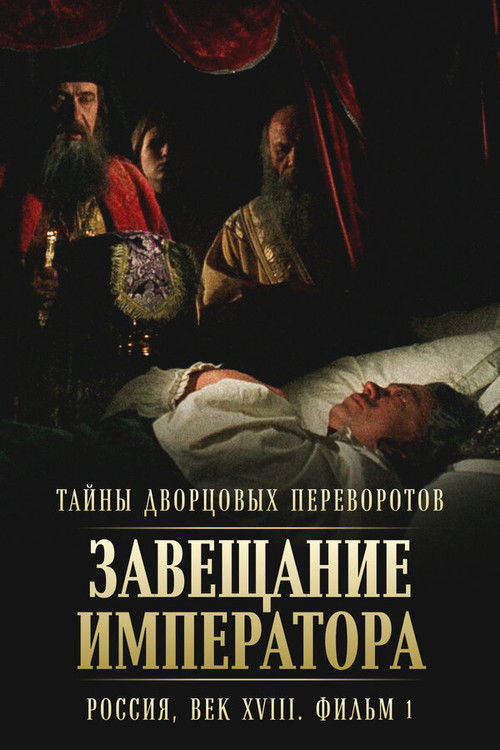
Secrets of Palace coup d'etat. Russia, 18th century. Film №1. Testament of the Emperor
2000
No user ratings available yet
Representation score: 1.4 out of 10
Representation Score
Minimal
2007
Not RatedDirector
Vladimir Khotinenko
Runtime
135 minutes
Average Rating
No ratings yetNew Showbiz Analysis
The film is a traditional historical epic that prioritizes period authenticity and national identity over modern social representation. It reconstructs a specific nationalist struggle, reinforcing the hierarchies of its 17th-century setting. Narrative tension is driven by binary ethnic conflicts and patriarchal power dynamics. Characters operate within rigid class and religious structures, leaving little room for contemporary multi-layered themes or the subversion of traditional roles.
Category Breakdown
The film adheres to the socio-cultural constraints of 17th-century Russia. It focuses on traditional romantic relationships and does not depict any non-straight or non-cisgender identities or same-sex intimacy.
While Czarina Kseniya Godunova is a central figure, her role remains largely reactive. The narrative emphasizes traditional warrior archetypes and patriarchal structures of the era.
The story centers on the ethnic conflict between Russians and Polish-Lithuanian invaders. It relies on historical ethnic distinctions rather than diverse casting.
The Orthodox Church serves as a central, stabilizing institution. The film prioritizes national sovereignty and patriotism over the critique of religious or state institutions.
There is no significant evidence of visible or invisible disabilities. Characters are defined primarily by their military utility and socioeconomic status.
Present on Screen
Limited or Absent
Official Synopsis
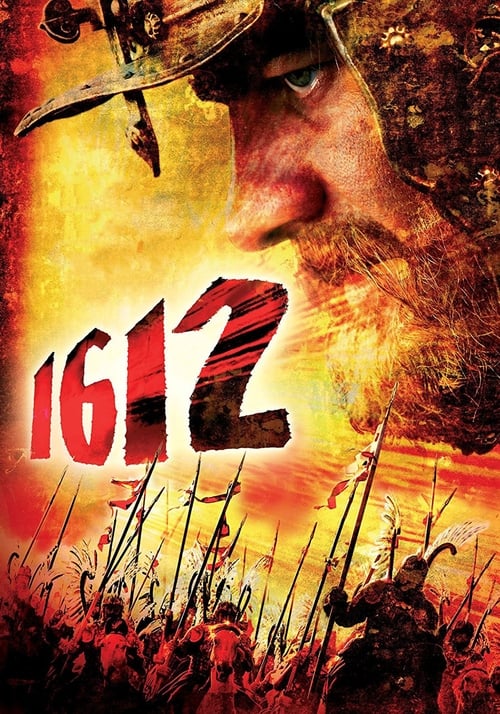
The czar of Russia has died and a power vacuum has developed. This period in the late 16th and early 17th century has been called "The Time of Troubles." There are many impostors who claim to the right to rule, but there's only one heir, the Czarina Kseniya Godunova. She has married a Polish military leader who wants to claim the Russian throne in her name so he can rule all of Russia. As the Poles move in on Moscow in an attempt to install the czarina on the throne, Andrei, a serf with a life-long infatuation of the czarina attempts to save her from her brutal Polish husband.
2000
1934
1983
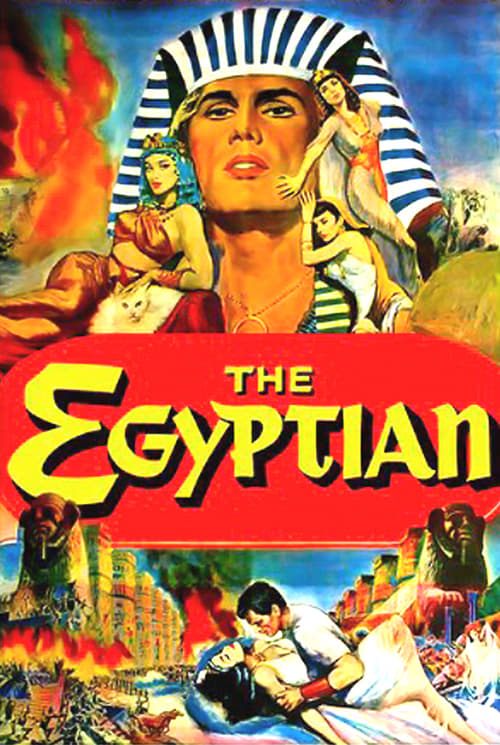
1954
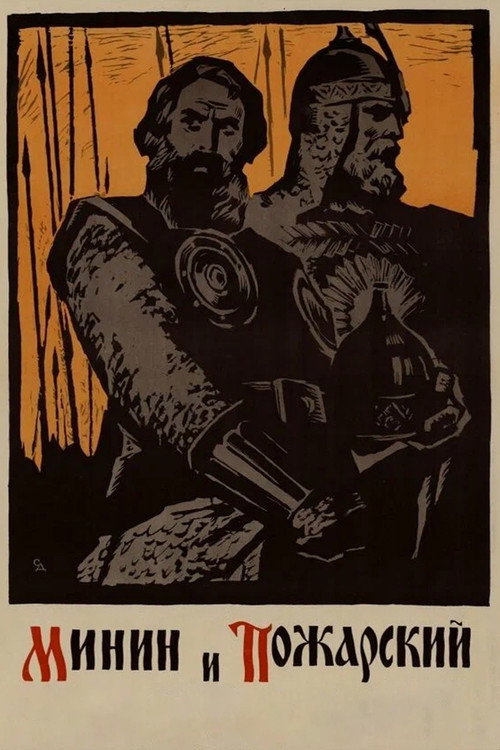
1939
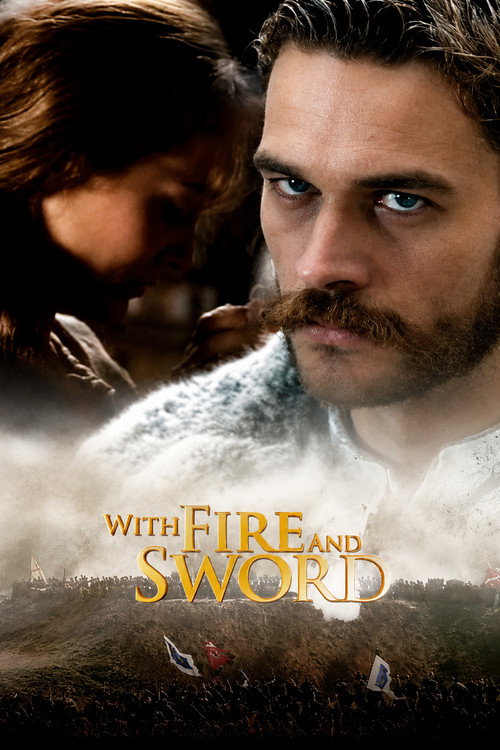
1999
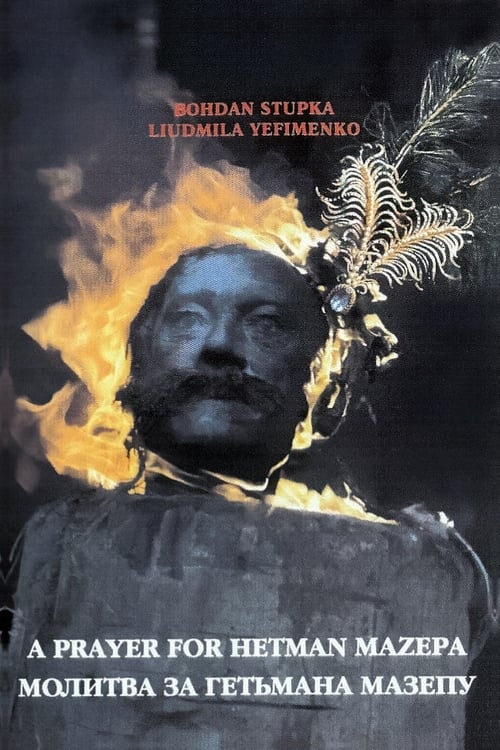
2003

1995
No reviews yet. Be the first to share your thoughts on this movie!
Use the rating form above to leave a star rating and optional review.