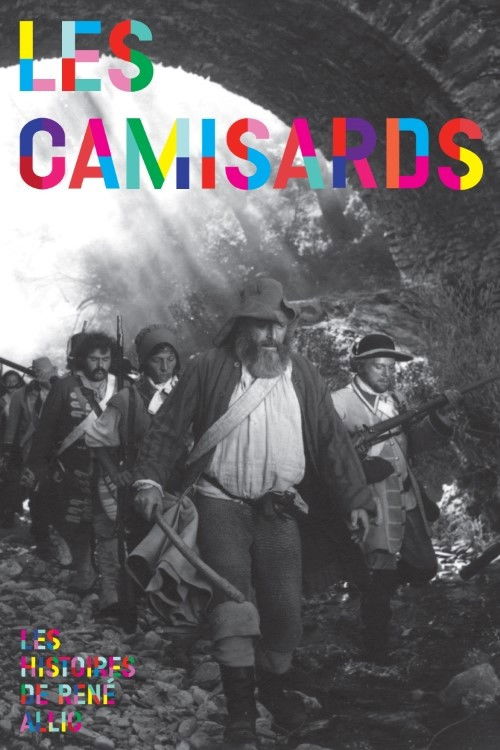
The French Calvinists
1972
No user ratings available yet
Representation score: 2.8 out of 10
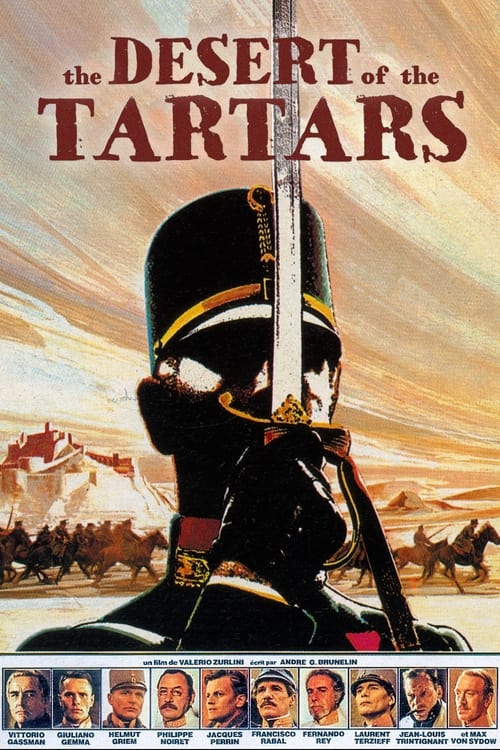
Representation Score
Limited
1976
PGDirector
Valerio Zurlini
Runtime
140 minutes
Average Rating
No ratings yetNew Showbiz Analysis
Valerio Zurlini’s film is a profound existential study that challenges traditional war dramas. It replaces romanticized heroism with a bleak look at institutional futility and the erosion of individual ability to act. While the film lacks explicit demographic diversity, particularly regarding gender and overt LGBTQ+ identities, it provides a sophisticated critique of Western imperialist and bureaucratic structures. It deconstructs the 'hero' archetype by framing the military wait as an absurd endeavor. The work functions as a closed ecosystem of masculine roles, using the tension of the 'Other' to explore post-colonial friction and the hollow nature of state structures.
Category Breakdown
The film features an almost exclusively masculine environment. Though there is no explicit same-sex intimacy, the intense, isolated camaraderie among soldiers hints at a latent homoerotic tension.
The narrative focuses on a strictly patriarchal framework with a near-total absence of female characters. It emphasizes military hierarchy and masculine social structures.
The story centers on an imperialist outpost facing an unseen, non-Western threat. While the cast is primarily European soldiers, the film explores the friction of occupying foreign landscapes.
The film offers a sophisticated critique of Western military and bureaucratic institutions. It portrays the military as a stagnant entity that facilitates psychological decay rather than glory.
There are no discernible depictions of physical or neurodivergent disabilities. The focus remains on the collective psychological state of the garrison.
Present on Screen
Limited or Absent
Official Synopsis
Lieutenant Giovanni Drogo is assigned to the old Bastiani border fortress where he expects an imminent attack by nomadic fearsome Tartars.
1972

1944
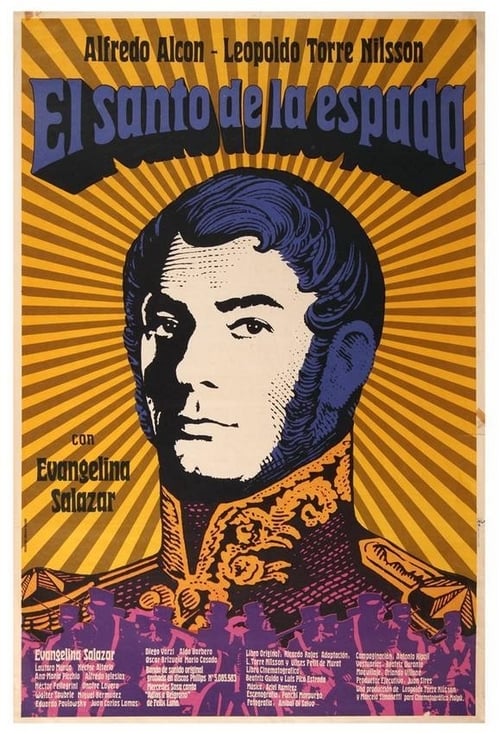
1970

1954
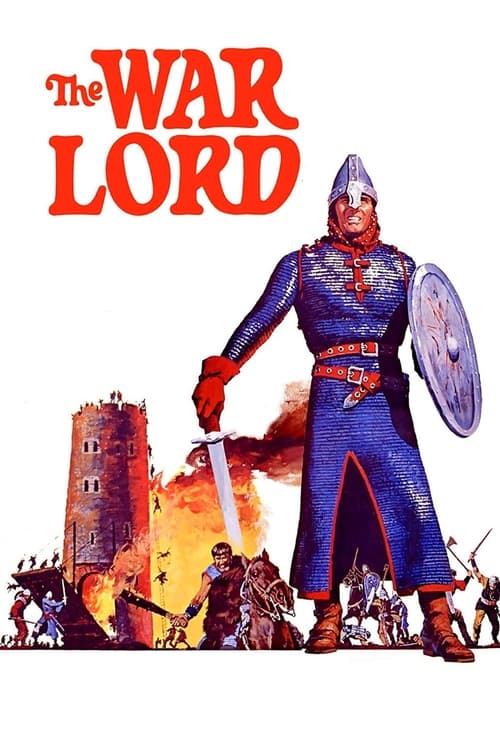
1965
1964

1950
1981
No reviews yet. Be the first to share your thoughts on this movie!
Use the rating form above to leave a star rating and optional review.